
PHOTO
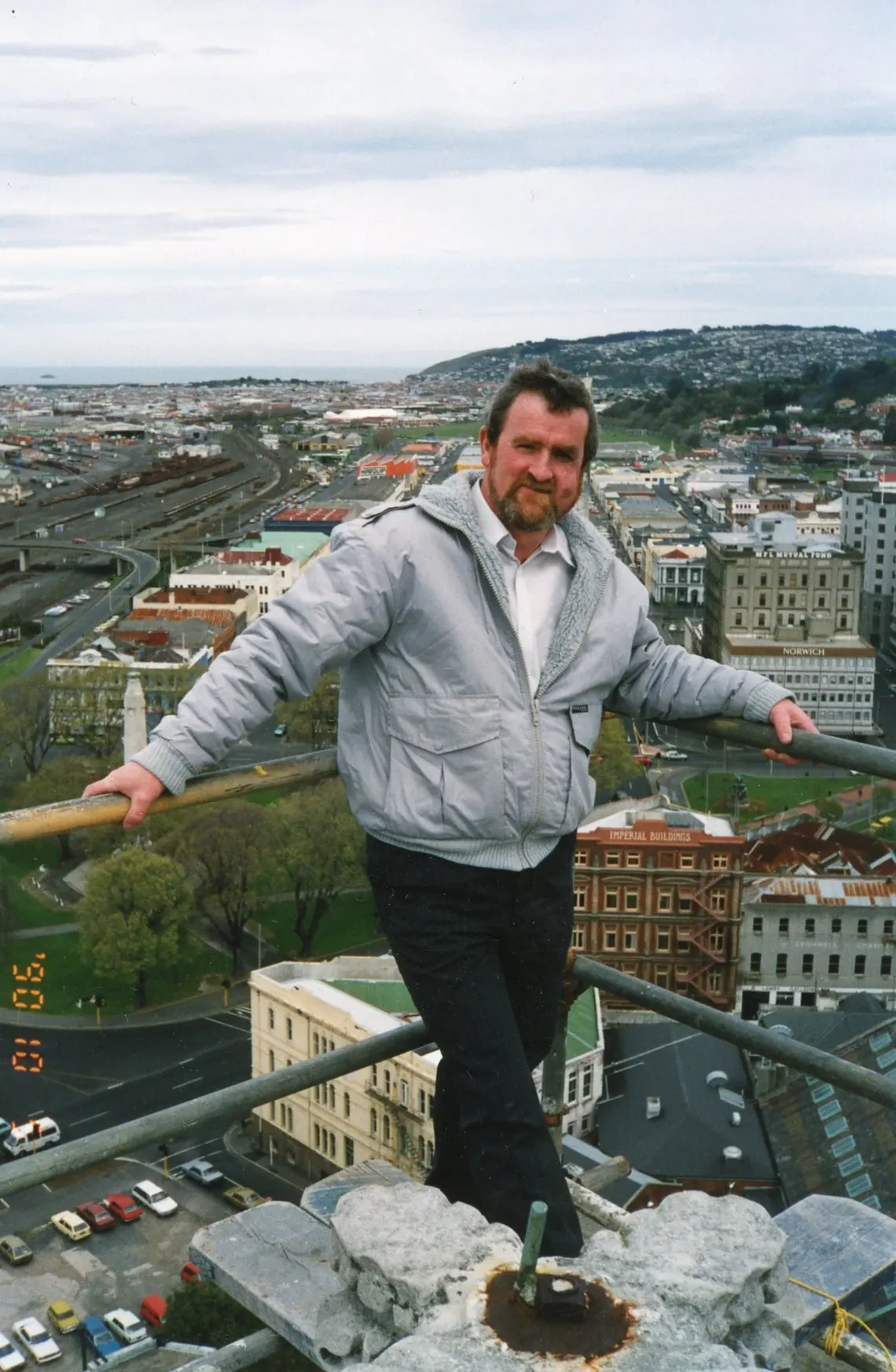
With an innate ability for machinery and engineering in the blood, Stew MacLeod had a hand in thousands of projects across Otago and New Zealand.
The prolific Dunedin engineer’s body of work stretched from multimillion-dollar international projects to significant regional infrastructure.
Karen MacLeod-Ross said her husband was a diligent and practical man.
"He expected high standards of work from himself and his staff and he had a lifelong dedication to being the best that he could be," she said.
"He wanted to bring the people around him along on the journey with him."
Stewart David MacLeod was born on January 28, 1949, at Redroofs Maternity Home, Maori Hill, Dunedin.
He grew up in Wakari, the fifth of Eileen (nee Keogh) and Gordon MacLeod’s nine children.
His father, uncle and grandfather were all practical, hands-on workers — his grandfather had worked as an electrical engineer whose last job was at the Halfway Bush Substation.
Mr MacLeod left St Paul’s High School in 1966 with his school certificate and higher school certificate.
From 1967, he laboured for Downer, casting concrete panels and foundations, a position he got after the site foreman of a University of Otago hall of residence building saw him watching construction and asked if he wanted work.
In 1969, when Mr MacLeod was 20, his mother decided he needed a better job and while he was at work one day, organised a cadetship application for the New Zealand Electricity Department. Arriving home, he was told he had a new job and started the following week.
Mr MacLeod initially worked as an electrical draughting cadet trained in the electrical and mechanical field of power and substation construction.
He was based in the design and construction department and spent time on-site at substation construction projects in Winton and Tiwai Point.
When he left the department in 1984 to start his own business, he held the position of senior electrical design draughtsman.
Mr MacLeod received his New Zealand certificate of engineering in 1977, specialising in electrical, transmission, distribution and electronics.
In 1981, following his involvement in the design and construction of the North Makarewa Substation, near Invercargill, and reputation for work on heavy power industry projects, he received Registered Engineering Associates registration.
He met electrical draughting cadet Karen Ross in 1976, when they both worked from the Electricity Department’s Dunedin office.
She spent four years of her cadetship in other parts of New Zealand, then went overseas for her OE. When she returned, Mr MacLeod was "finally" able to ask her to marry him, she said.
They married on April 3, 1983, at La Scala, Musselburgh, Dunedin.
The following year, the couple started MacLeod & Associates, offering electrical and mechanical design across Otago and Southland.
As technology progressed, manual engineering and drawing systems were replaced by full electronic systems able to operate worldwide with engineering software, drawing and accounting systems.
Mrs MacLeod-Ross said the company gained an enviable reputation for producing cost-effective designs with a no-fuss attitude. From 1984 to 2024, it was responsible for the design and supervision of more than 5000 electrical and mechanical projects, ranging in value from a few thousand dollars to several million.
The company was responsible for taking client, architect and project manager briefs and producing cost-effective electrical and mechanical contracts.
Local projects included the redevelopment of Toitū Otago Settlers Museum (five stages), Dunedin Railway Station and the First Church of Otago. A brass plaque with Mr MacLeod’s name was laid at the door of the railway station following the redevelopment.
MacLeod & Associates also worked redeveloping dozens of schools across Otago and contributed to, among other areas, medical, residential, tourist and industrial infrastructure.
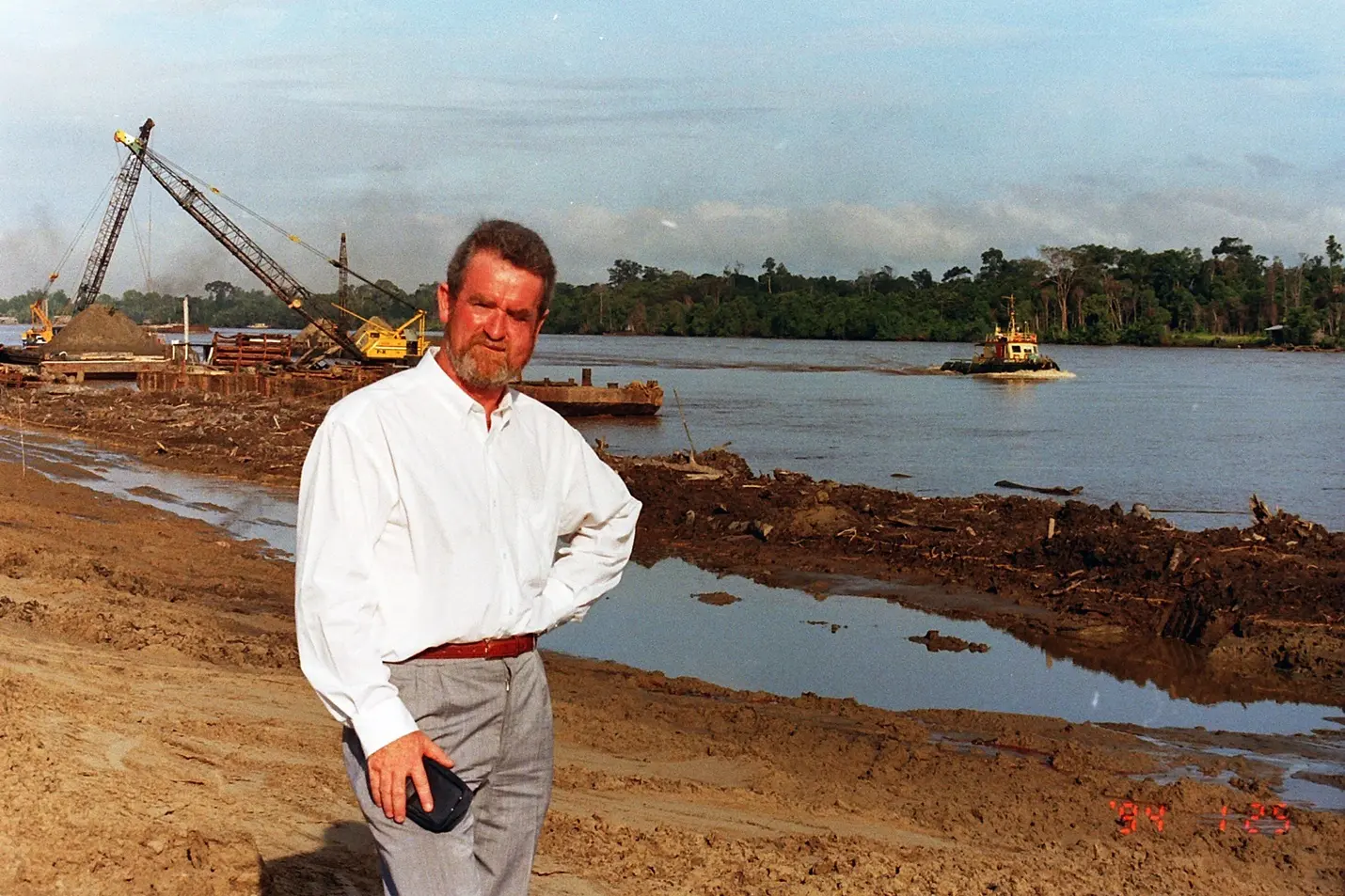
The largest project Mr MacLeod worked on was Malaysia’s New Port Complex in Miri as consulting electrical engineer during the mid-1990s.
He was commissioned by Duffill Watts and King to provide all electrical services around the site and travelled to Malaysia twice to speak to the Sarawak Electricity Supply Corporation and the local electrical consultant engaged for site building services.
The site covered 400,000sq m and contained the administration building, the open storage timber yard, the roll-on, roll-off assembly yard, bulk fuel storage, dangerous cargo area, three transit sheds, 13 berths and a container open storage yard.
The project, with an estimated cost of $MYR300 million, or $NZ127m, was a point of pride for Mr MacLeod.
He kept up with the latest in industry technology and, where possible, tried to incorporate it into his designs.
He judged industry competitions such as Master Electricians and loved seeing the technical skills and innovation on show.
"I've been told by the electricians ... he always encouraged them to do things and to get your qualifications and get out there and really promote yourself," Mrs MacLeod-Ross said.
Mr MacLeod showed no interest in retirement, although illness caused him to step back from work about two years ago.
"He loved people. And he loved talking to people in construction that were building things and making things. He was a very practical person," she said.
He had been unwell with kidney disease for several years when, in 2011, he was part of New Zealand’s first paired kidney exchange.
Mrs MacLeod-Ross would have liked to donate her kidney to him. However, the pair were incompatible blood types.
Instead, Mr MacLeod received a kidney from an altruistic Hamilton donor while Mrs MacLeod-Ross donated a kidney to a Taranaki patient on the transplant waiting list.
Mr MacLeod died, aged 76, in Dunedin Hospital on October 1, 2025.
He is survived by his wife, Karen, daughters Bridget and Siobhan, and two grandchildren. Another of the couple’s daughters, Catriona, predeceased him. — Ruby Shaw