
PHOTO
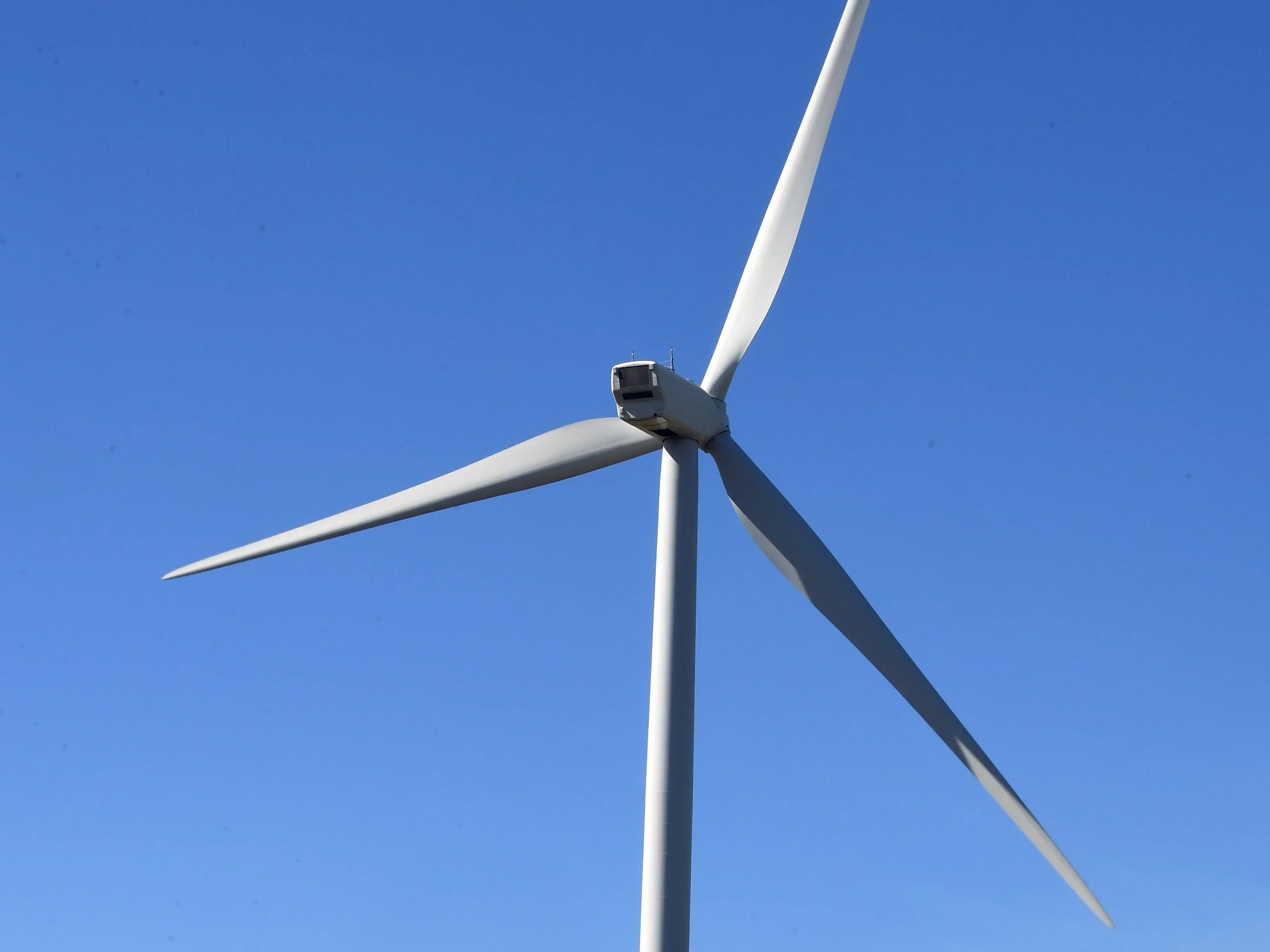
Ōtākou Rūnaka has confirmed support for the proposed second stage of the Mahinerangi Wind Farm following a detailed review and engagement.
Ōtākou Rūnaka chairwoman Paulette Tamati-Elliffe said the position was reached following constructive engagement and a focus on long-term outcomes.
‘‘This has been a considered and deliberate process. Our role as kaitiaki is to look beyond short-term benefits and impacts and ensure that any development aligns with the long-term wellbeing of our whenua, wai and whānau,’’ Ms Tamati-Elliffe said.
‘‘The engagement with the applicant — Mercury — has enabled key cultural, environmental and intergenerational considerations to be addressed in a way that supports a balanced outcome.’’
The proposal was part of the country’s broader transition toward renewable energy, contributing to national energy security and emissions reduction objectives.
She said it was important to acknowledge Ōtākou Rūnaka, as mana whenua, was not opposed to development, and had consistently supported projects where impacts were understood, appropriately managed and aligned with cultural values.
‘‘We recognise the importance of energy security and the role renewable energy plays in supporting the future of Aotearoa me Te Waipounamu. This has become especially important as we see increasing energy instability globally. At the same time, it is essential that development is undertaken in a way that respects the environment and the cultural landscape,’’ she said.
‘‘This proposal demonstrates that, through meaningful engagement and a willingness to respond to concerns, a more balanced outcome can be achieved.’’
Ms Tamati-Elliffe said it was important to note support was specific to this proposal.
‘‘We are not pro or anti-development — we are pro getting it right. Each project is assessed on its merits, with careful consideration given to environmental impacts, cultural values and long-term effects.’’
Ōtākou Rūnaka acknowledged renewable energy projects could have environmental effects, but said that in this case those effects had been sufficiently addressed through engagement and mitigation.
‘‘The process matters. Early and constructive engagement by the Mercury team allowed issues to be identified and addressed. That has been a key factor in our position on this proposal,’’ Ms Tamati-Elliffe said.
Ōtākou Rūnaka said it would continue to engage constructively as the project progressed, ensuring commitments were upheld and outcomes delivered.
Mercury Energy is planning to build 44 more turbines in the second stage of the proposal. It is being processed through the Fast-track Approval Act.