
PHOTO
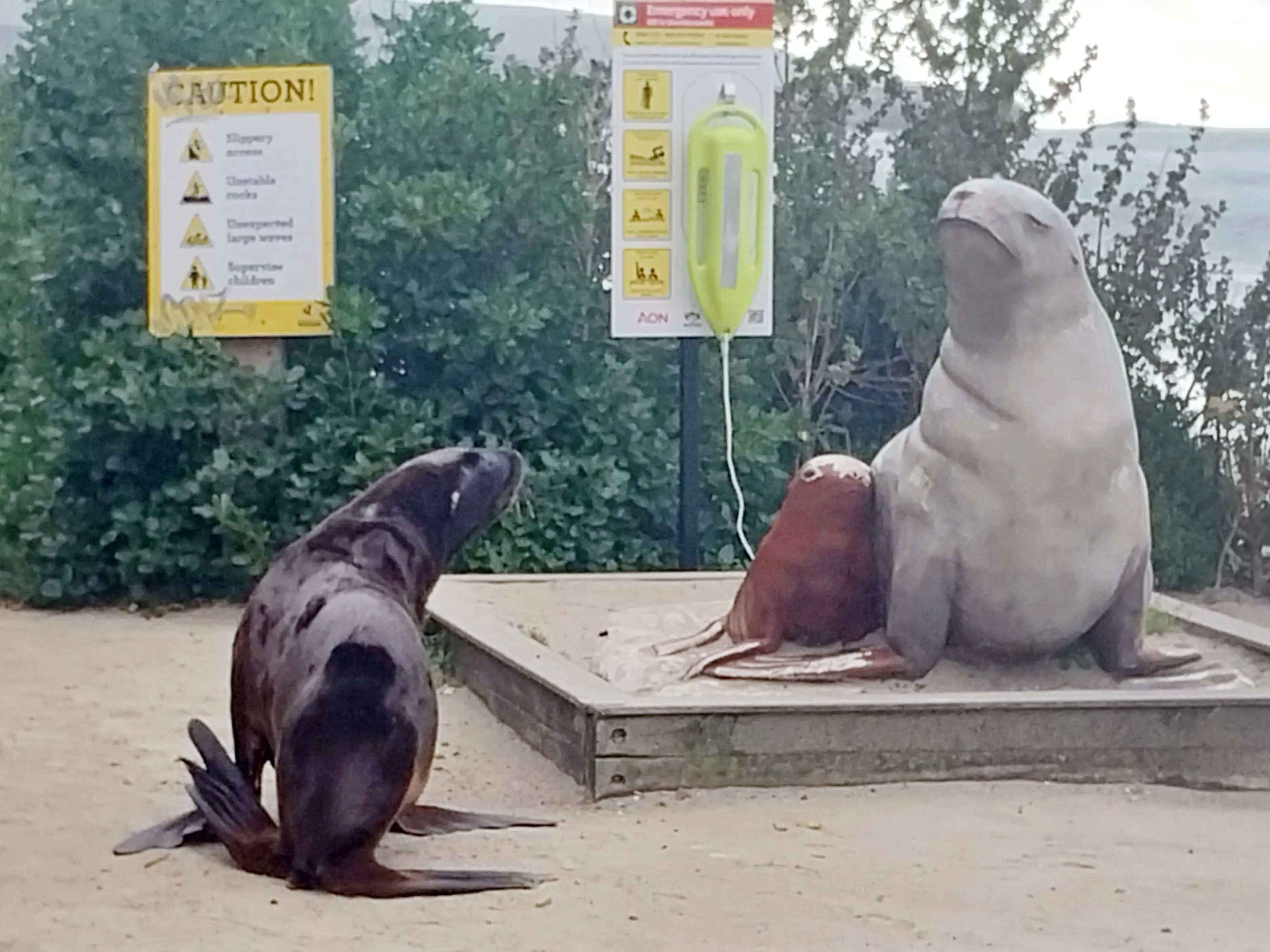
It's that time of year when sea lions are on the move and turn up in some unexpected places.
November is the beginning of breeding season for pakake/New Zealand sea lions, as the curious creatures start to be more visible along southern coastlines and other sites - including possibly your backyard.
Last weekend, one was spotted ambling near cafes in Dunedin's St Clair before making its way back to the nearby beach.
In a statement today, Doc Coastal Otago biodiversity ranger Moss Thompson said pregnant female pakake start searching for potential birthing and pupping sites this month, away from the advances of males.
“This means we often start seeing more females using beaches closer to Dunedin city - and sometimes in more urban locations like along roads, golf courses and people’s backyards.
“As we get into December and then through the rest of summer, pups start appearing, and as they get older, they’ll start exploring the area too, often showing up inland.
“Pregnant females and pups are extremely vulnerable and it’s vital they’re given the space and grace to do their thing safely."
This summer, Doc is asking people to "pause for pakake" and keep their distance.
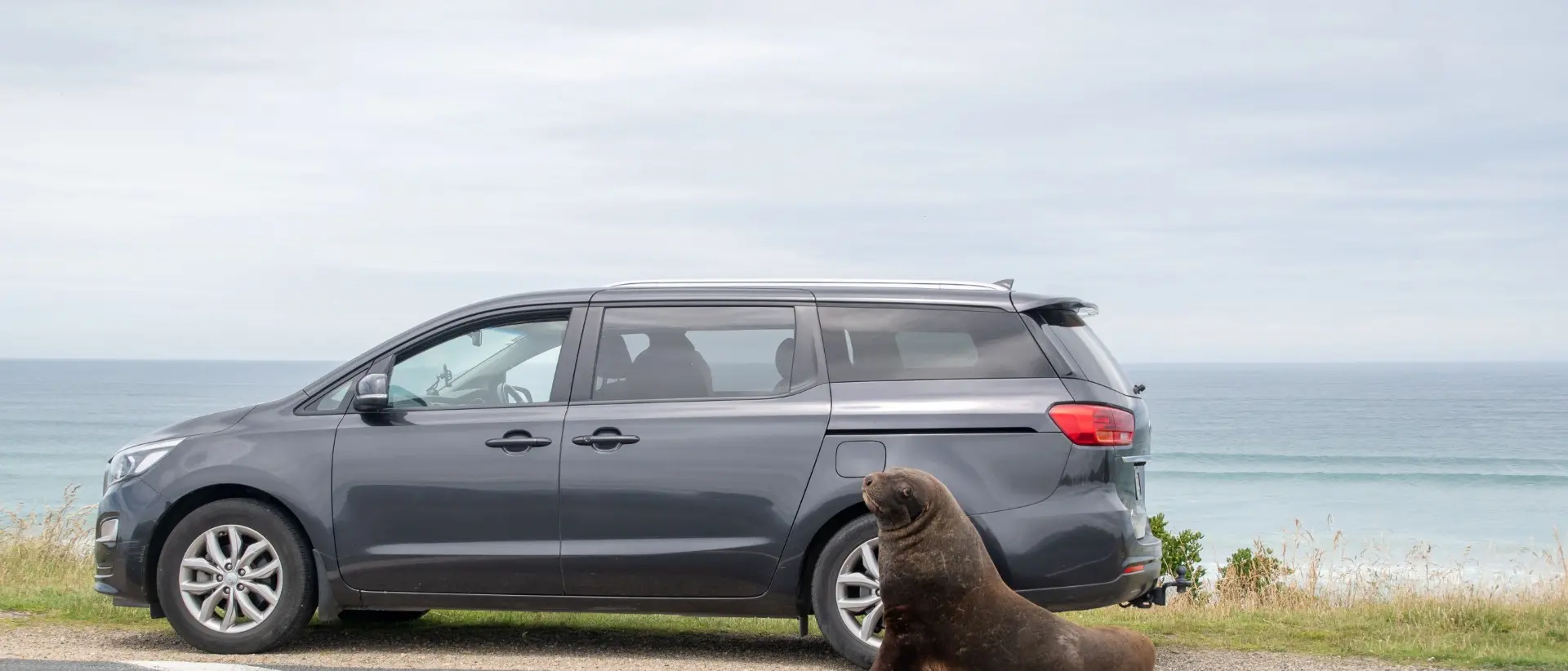
"This means keeping an eye out when you’re in coastal areas, keeping dogs under control, following instructions on all signage and paying special attention when driving or visiting hotspot areas such as Smaills and Tomahawk beaches, Saint Kilda, Brighton and Hooper’s and Papanui Inlet roads on the Otago Peninsula.”
The department was working with the Dunedin City Council to ensure road management was in place at these hotspots to keep the pinnipeds and road users safe.
Meanwhile, rangers are hoping for a record number of births this season to add to a growing mainland population. To reach breeding colony status, more than 35 pups need to be born.
“New Zealand sea lions are among the rarest in the word. Most of the 10,000 pakake are found in the New Zealand subantarctic, but their population is not doing well and is projected to decline 50 to 70% over the next three generations.
“This makes the continued growth and establishment of a new breeding colony on the mainland all the more important.”
'Share coastlines and respect nature'
Dunedin and coastal Otago is a wildlife hotspot, which most people respect. But not everyone plays by the rules, Doc said.
Aaron Fleming, the department's Southern South Island operations director, said the recent shooting of three male sea lions near Waitaki river mouth, which is still being investigated, showed some people did not recognise the significance or vulnerability of protected wildlife, including marine mammals, in the region.
“When it comes to saving a species, there are things that can’t be solved overnight; climate change, food availability, disease - none of these things have quick fixes.
“Direct conflict between people and wildlife is something we, as a community, can stop. Spread the word. Together, let’s share the coastlines, respect nature and give these charismatic animals a chance to bounce back. That’s what naturing is all about.”
Doc urged people who see or hear of any wildlife being harassed, disturbed or injured to report it to 0800 DOCHOT immediately.
- Allied Media