
PHOTO

With a super-sized personality to match her super-sized earrings, Cath Saunders was a vibrant personality and consummate broadcaster.
From her beginnings on southern screens, Saunders became a nationally-beloved media personality, before turning her impeccable little black contacts book into a key asset in a highly successful career in PR and marketing.
Catherine Rosaleen Dowling was born in Dunedin on April 4, 1942, the first daughter and third child of lawyer Anthony and pianist Kathleen Dowling (nee Whelan).
In keeping with her Catholic upbringing she was educated at St Philomena's School (now Trinity), where her talent was soon identified and nurtured: she was told she could not compete in the school swimming sports in case she got water on the brain.
As well as being captain of the school debating team — great training for later in life, when Saunders regularly appeared in celebrity debates, in which she more than held her own against some of New Zealand’s wittiest and most articulate citizens — she was also head prefect.
After leaving high school, she trained for two years as a teacher before changing direction and deciding she wanted a career in broadcasting. After auditioning as a radio announcer in 1961, Saunders joined the fledgling DNTV2 in 1962.
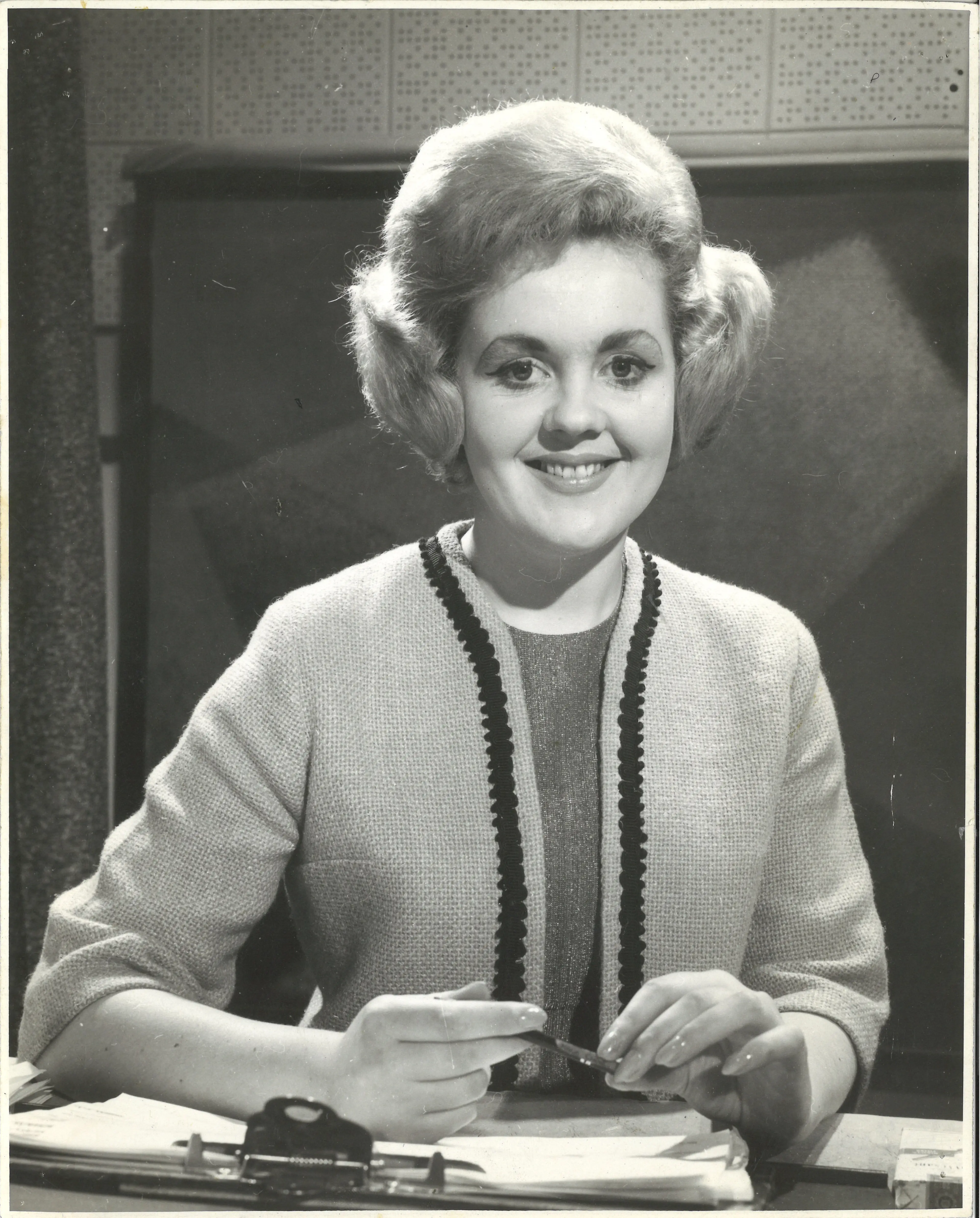
In the early days of television, there was no national broadcast network: each station screened programmes as the film was delivered to them, and each made its own local programmes — notably the magazine show Town And Around.
Saunders later told NZ On Screen that the sole female reporters in each centre were assigned ‘‘the silliest stories imaginable’’ as well as every cat show going: she had to be at a cat show at 7.30am the day after her father died.
Hours were long and Saunders had to do almost everything, including scripting, editing, live broadcasts and lugging some incredibly heavy equipment all over the city.
She and the other presenters and camera operators were also under strict instructions not to shoot too much footage, given the expense of film.
‘‘That was quite a good discipline,’’ she said. ‘‘These days they just rattle off so much.’’
A career highlight was hosting the broadcast of the Mobil Song Quest in 1965, the year when New Zealand’s premier operatic singing competition was won by the future Dame Kiri Te Kanawa.
With characteristic wit, Saunders later told the New Zealand Women’s Weekly that she was only allowed to talk about ‘‘the women's hair, their clothing, and the floral decorations in the hall’’.
Such restrictions did not sit well with Saunders, who a few years later would emerge as a leading feminist and prominent campaigner for women’s rights in general and equal pay and opportunities in particular.
Catherine Dowling moved to Wellington in 1967 to become the female reporter on the Wellington edition of Town And Around.
There she met fellow BCNZ staffer Bill Saunders — who was eventually to become an acclaimed maker of documentaries.
The two married, and had two children — Anthony and Amy. Bill died in 1985, aged 51.
The family re-settled in Auckland, but being out of work did not suit a human dynamo like Saunders and she quickly set about fixing that.
She called the NZ Dairy Board and told the unsuspecting organisation that not only did it need a marketing manager, but that that person was herself.
Despite this unorthodox approach, the board had no regrets. Saunders’ first initiative was an advertising campaign she fronted herself, extolling New Zealanders not only to eat more cheese, but also that they had to buy ‘‘the bigger block of cheese’’.
The campaign was a hit, and was credited with helping cheese sales grow by more than 60%. Saunders stayed with the board until 1983.
She had a long and varied career in public relations and marketing, working for the likes of the Auckland Visitors Bureau, the Maritime Museum, Fisher and Paykel, Air New Zealand and Beef+Lamb New Zealand.
She also helped transform the Cancer Society’s main fundraising event, Daffodil Day, from a relatively obscure event to a nationwide annual phenomenon.
Saunders ran her own public relations company and was extraordinarily well-connected and effective at her job. Few of those she contacted were ever able to say no to a Saunders pitch.
She achieved all this without ever having learned to drive. For years Saunders was one of Alert Taxis best customers; she knew every driver by name, had her own pick-up code, and she pioneered Uber Eats by having cabbies deliver things to her at home.
The Saunders loved to entertain and their home regularly hosted large gatherings, both of family and friends, and of business acquaintances.
A raconteur, but equally as good at listening, Saunders was engaged and engaging; strongly interested in people in general and in helping young people in particular.
While her marketing work was her main undertaking, Saunders remained a regular feature on the nation’s TV screens.
Notably she was a core panellist on Beauty and the Beast, a fixture of New Zealand daytime TV for a decade.
Once a month Saunders — a notable cook — would stuff the family freezer with pre-made meals, before flying to Dunedin where she, programme host Selwyn Toogood, and a revolving cast of women, would record three weeks of programmes, in which they dispensed advice to questions posted in by viewers.
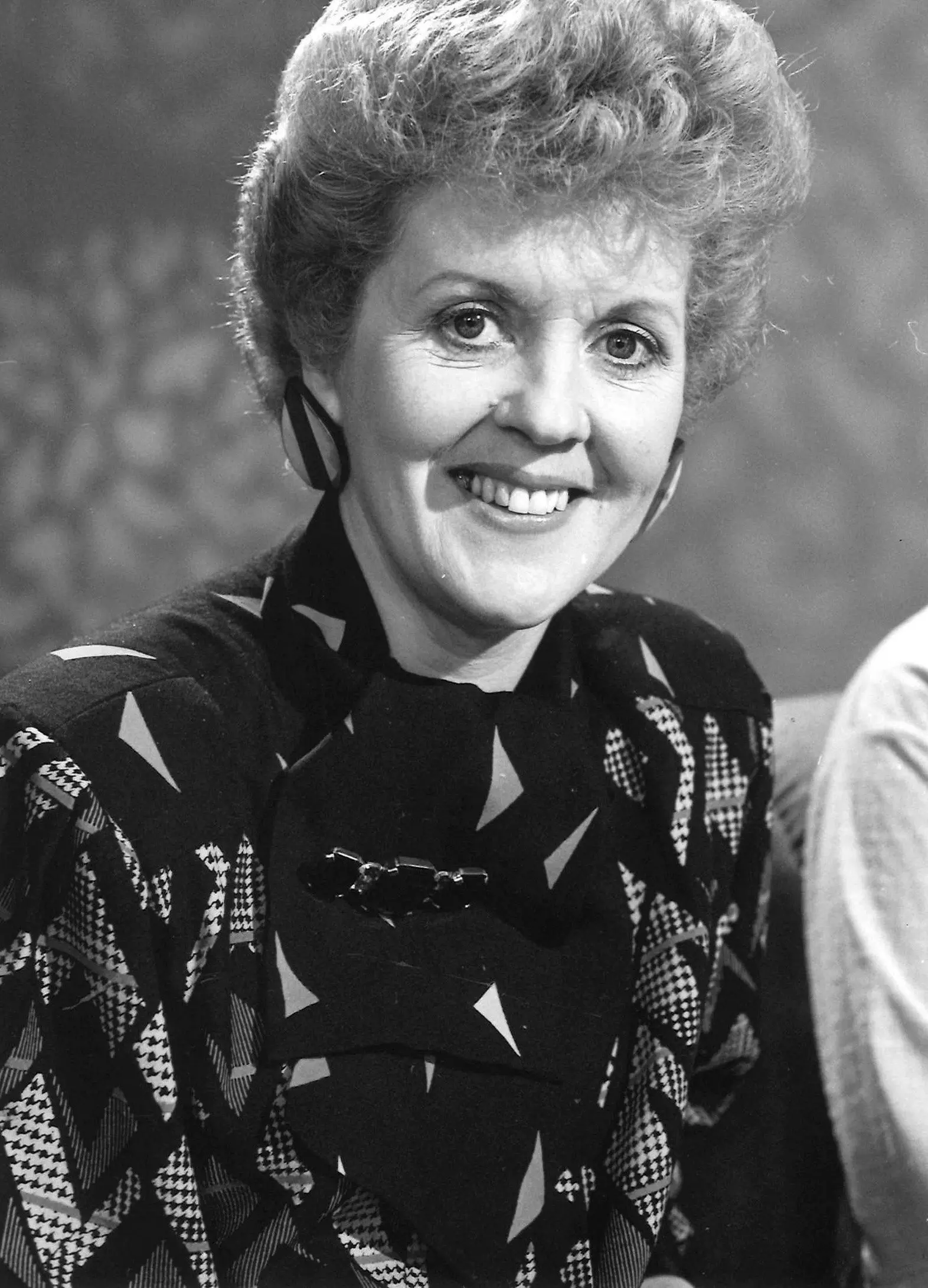
The format, which had been imported from Australia, would seem quaint today compared to the more rambunctious modern TV panel shows, but it was a hit in New Zealand and is still fondly recalled.
Saunders credited the show as being groundbreaking for its serious and sensible treatment of serious and then seldom-discussed topics such as contraception, domestic violence, abuse and adoption.
‘‘All of those letters were genuinely asking for serious help on important questions,’’ she said.
Beauty and the Beast showcased Saunders’ star power potential on a national stage. Her ready wit and eye-catching attire — Saunders’ hefty earrings soon became a trademark — led to offers to host shows in her own right.
In the 1980s she hosted Tonight With Cathy Saunders, and also co-hosted the short-lived chat show Saunders and Sinclair, with Geoff Sinclair — a noted radio host who found the transition to the small screen a difficult one.
Saunders on the other hand, later proved to be a dab hand at radio. She had her own slot on Radio New Zealand, and for five years produced the network’s highly popular Top of the Morning show.
A show Saunders was particularly proud of was 50 Forward, a daytime TV magazine show which she co-hosted with Gordon McLauchlan. The show had a loyal audience, including esteemed broadcaster Paul Holmes, who once told Saunders that he often cited it as an exemplary piece of TV.
In 2001, Saunders was appointed an Officer of the New Zealand Order of Merit, for services to broadcasting and to the community.
Saunders lived her life with enthusiasm, appearing to enjoy every moment of it. In retirement a particular delight were her five granddaughters, who relished the company of their colourful, fun and caring gran.
Catherine Saunders died in Auckland on March 22, aged 83. — Allied Media