
PHOTO
Weather reporter John Lewis talks to Niwa meteorologist Ben Noll about what has changed, and what we can look forward to in the future.
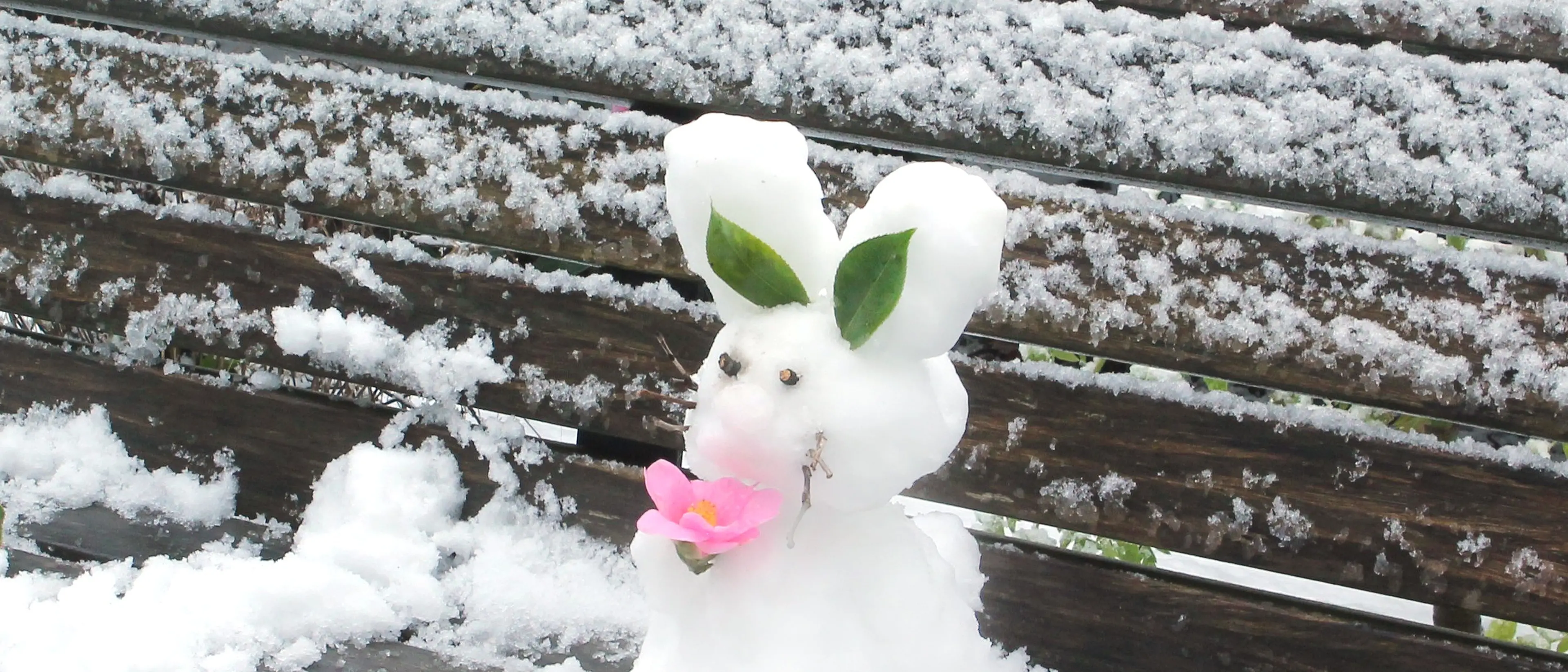
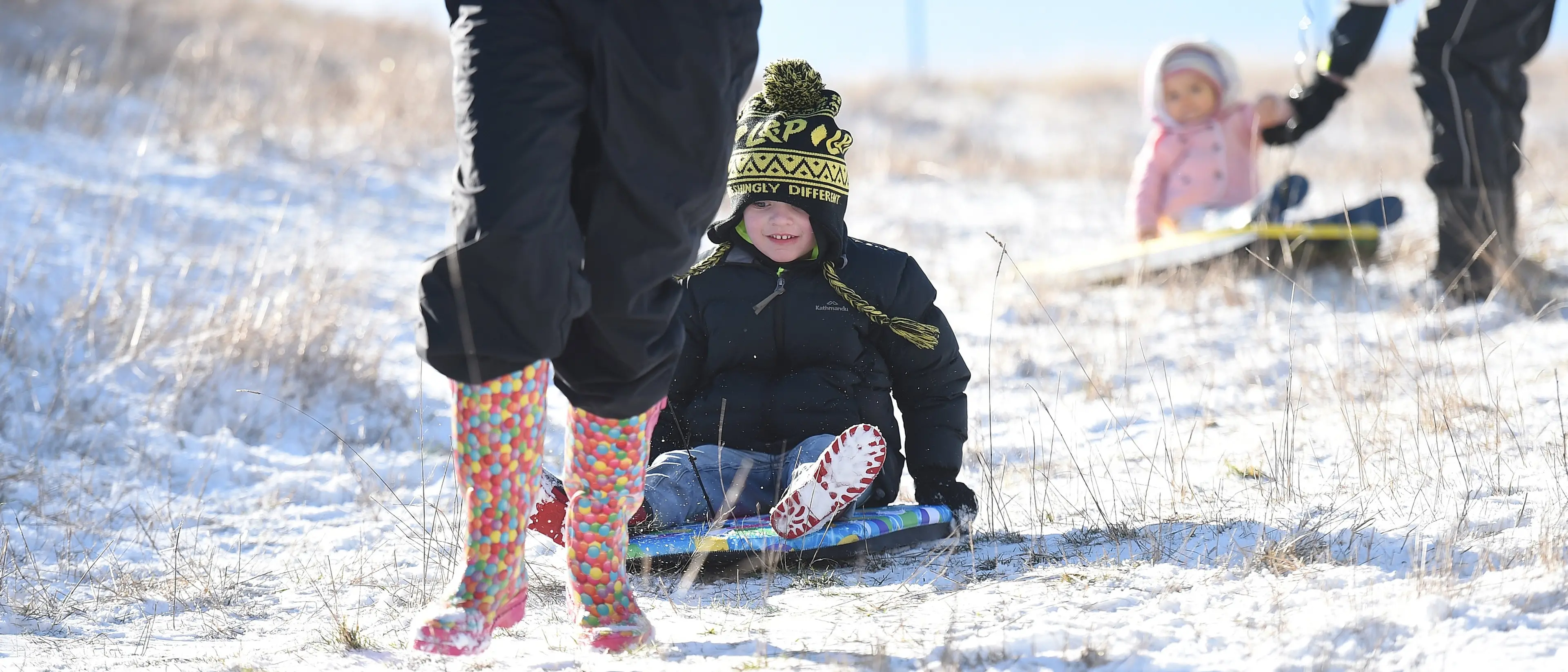
Make the most of the snow.
It may become more rare than routine in the not-too-distant future.
Recent research has found the duration of the winter season has shortened by about a month over the past century, and with it comes rising temperatures and the declining likelihood of snow days.
Niwa meteorologist Ben Noll said winter was conventionally regarded as occurring between June 1 and August 31 in the southern hemisphere - a total of 92 days.
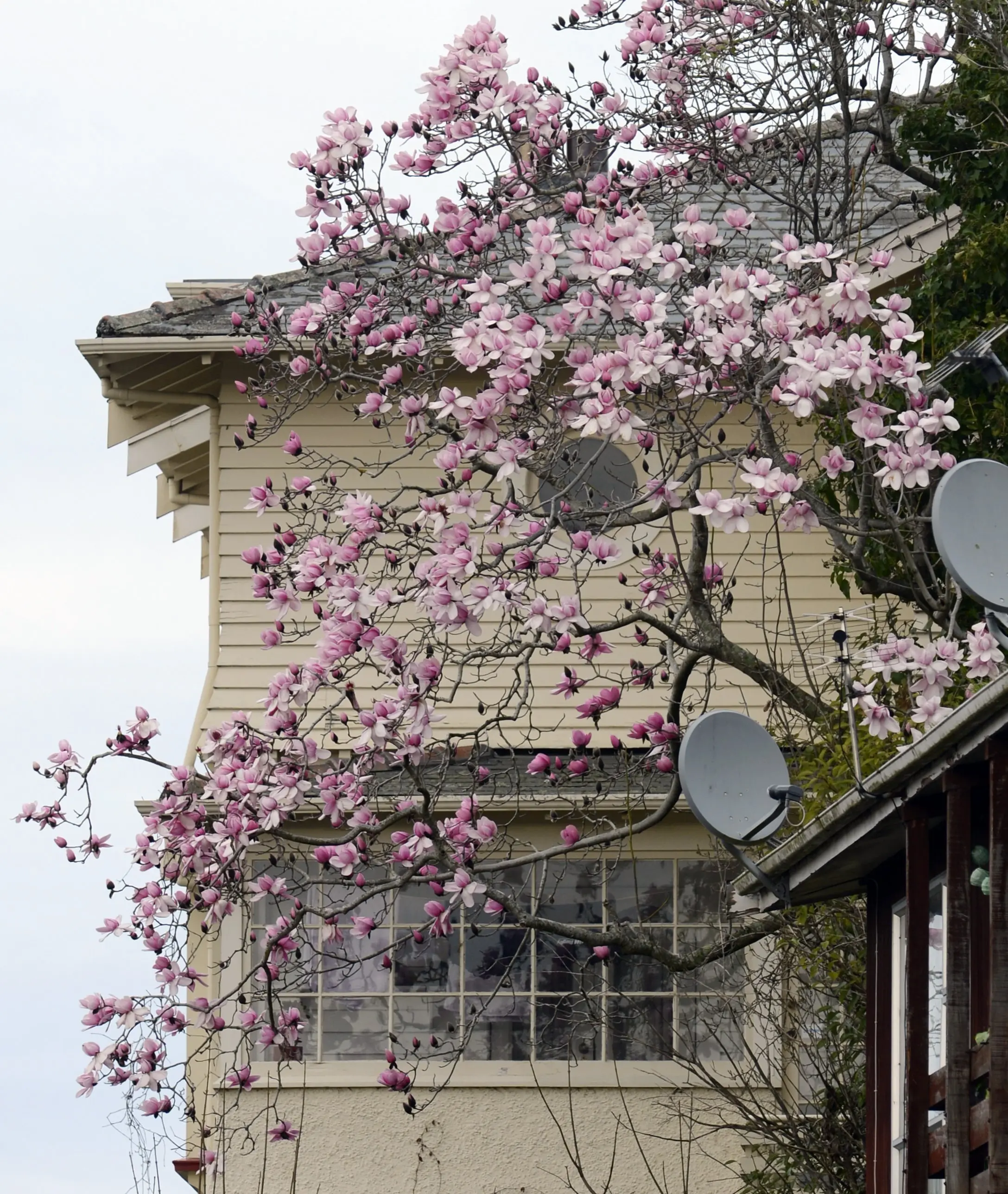
And if you define "a winter's day" as one in which the daily average temperature is 9degC, you will find winter lengths will vary from year to year.
But over the space of 100 years, the stats paint a big picture of climbing temperatures.
Climate data from seven geographically representative locations around the country, known as Niwa's Seven Station Series, shows between 1909 and 1938 the temperature was less than 9degC for an average of 100 days.
But between 1987 and 2016, there were only 70 days on average where the average temperature dropped below 9degC, Mr Noll said.
"It showed a decrease of about a month, in terms of what we might consider winter weather."
The research also found a decrease in the number of frosts in many locations around New Zealand - especially in higher altitude inland areas.
Although the trend was based on nationwide statistics, he said it was very similar for Otago and Southland's winter.
"Those figures are consistent with what is being seen globally as well."
As for whether the region is getting less rain and snow, he said it was more difficult to quantify.
While the number of snowfalls and the amount of snow that fell remained relatively constant over the past 20 years, the snow that did fall was not falling as low and was melting quicker because of higher temperatures, he said.
Niwa's annual long-term aerial Snowline Survey of the South Island's glaciers shows some of the southern region's snow-capped mountains were no longer snow-capped all year round, and some of our smaller glaciers have disappeared in recent years.
Niwa scientists take to the skies every March to record the snowline altitude of up to 50 glaciers, using specialised cameras from a light aircraft.

Thousands of photos are taken from different angles to build 3-D models of glaciers that can be compared year on year, to give an accurate depiction of how much of the previous winter's snow remains to contribute to long-term glacial ice accumulation.
The information gathered over the past four decades has produced a unique and valuable data set that provides an independent measure of how climate change and variability are affecting New Zealand's water resources.
Earlier this year, project leader Andrew Lorrey said some of our smaller glaciers - particularly on the fringes of the Southern Alps, that are a little bit lower in altitude like North Canterbury, and as you go south out of Queenstown - are reducing to nothing.
"There's no reason for me to go to Caroline Peak [near Lake Hauroko] any more.
"There used to be a snow patch and glacier on the spine of that peak, and based on what we saw last year, there was no real reason for us to go back there this year. There probably wouldn't have been much of anything left there.
"It's looking pretty grim."
Dr Lorrey said it was the sad reality of the changing climate of the region.
Mr Noll said one of the expectations with climate change was for New Zealand to experience more westerly winds in the future, which may lead to wetter conditions in western areas.
"In the coming decades we expect it to get wetter on the West Coast and for there to be more extended dry periods in eastern areas, not just in winter but across the entire year."
He said over the past century, New Zealand had increased its annual temperature by about 1degC.
"In a warming climate, of course we will see those peak temperatures in the summer time and valley temperatures in the winter.
"But those extreme low temperatures will become less and less frequent with time.
"You can still get those near-record cold temperatures, but if you look at 2019 in isolation, we have found that so far this year, record or near-record warmth is significantly out-pacing record or near-record cold.
"For the first six months of 2019, there were 170 record or near-record warm temperatures. And on the other side of the coin, there were just three that were near-record low temperatures.
"Do the math on that and it tells quite a story."
He said over time, if we continued business as usual in terms of carbon emissions, temperatures would continue to trend upward.
"Winter will always have cold days. It's just that over time, that base-line will change. What we consider cold in 1970 will be different from what we consider cold in 2000, which will be different from 2030."
He said a major consequence of the changing temperatures was it would influence the life cycle of plants and animals.
"There are so many flow-on impacts, particularly for agricultural producers of things like kiwifruit in the North Island and the wine industry in the South Island.
"How those industries evolve with climate change is something that will have to be dealt with.
"It will be more about adjusting to this changing base-line over time."