
PHOTO
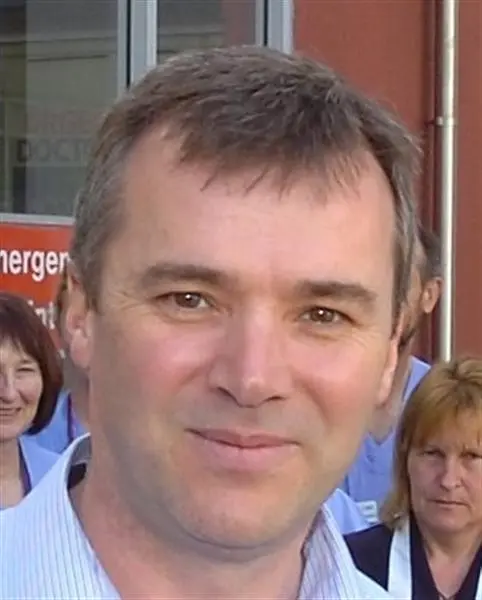
Some patients attending Dunedin Hospital's emergency department next month may get speedier treatment than usual.
As part of its project to reduce waste, increase efficiency and improve patient flow in the department, a different system of assessing and treating patients presenting with some non life-threatening conditions will be tried for two months.
Emergency specialist and clinician for the department's "Putting our Patients First - Be the Change you Want to See" project, Dr Tim Kerruish said a limited two-week trial of the system had been a success.
In that trial, a senior doctor and a senior nurse had been stationed in the sub-acute area of the department on week-day afternoons to assess patients.
It was more of a team approach to managing patients, Dr Kerruish said.
It had resulted in some patients who might have spent a couple of hours in the department, being treated and discharged within 45 minutes, even when there was a fairly complex process involved in the treatment.
In the longer trial, the system would be used for longer hours over seven days a week.
The sorts of patients involved would be those who were likely to be sent home including those with sprained ankles, broken wrists and lacerations which were not life-threatening.
The system could also provide valuable training for junior doctors.
The hospital is among those which are not meeting national standards for the time it takes to see patients presenting at the emergency department with conditions which are not life-threatening.
Dr Kerruish expects the new system to improve this situation and also reduce the overall time spent in the department.
Introducing the trial in February would allow it to settle in before what is traditionally the department's busiest month in March.
The waste reduction project which began in September is based on the lean thinking method used by car manufacturer Toyota, and features staff identifying wasteful practices and coming up with ways to overcome them.
So far, work has included a massive spring-clean in the department, a task which has resulted in at least one large skip of rubbish being removed, "and we haven't finished yet".
Once this had been completed, and areas reorganised, people would be much more aware the project was under way.
Dr Kerruish said he felt the project was gathering momentum, with nursing staff being particularly enthusiastic about it.
Asked whether all staff were enthusiastic, Dr Kerruish said some people adopted changes early "and some people are more circumspect".
Patient satisfaction surveys had shown the vast majority of patients felt they received good care from the department.
Dr Kerruish said concerns about waiting times were not as strongly expressed as he would have expected.
The attitude of patients seemed to be that if they got quality safe care, then the waiting was "not too much of a problem to most people".