
PHOTO
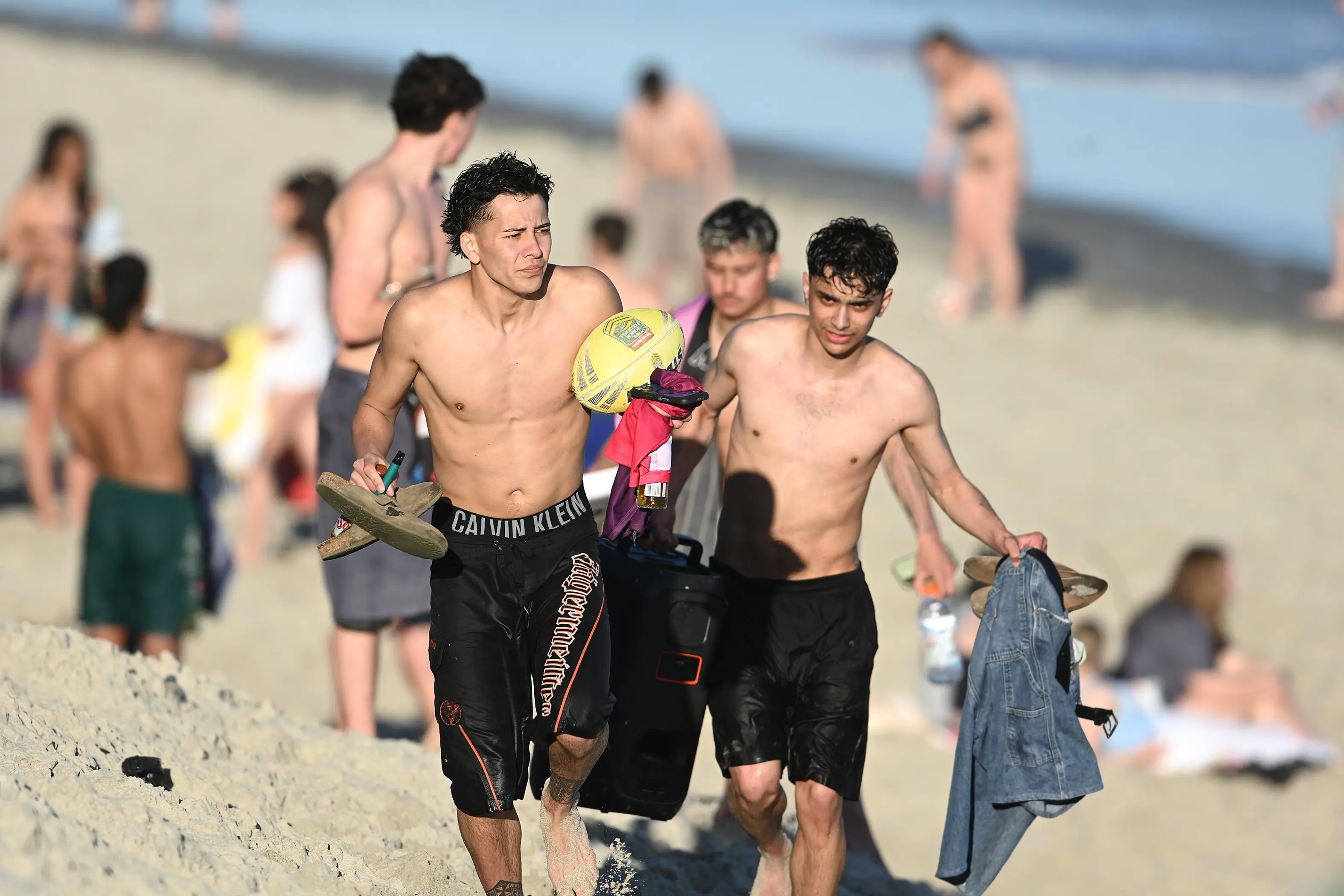
Rather than the usual Lakes and Central Otago district holiday hotspots, it appears “spells of unusually warm” weather may make Dunedin the place to be this summer.
The Earth Sciences New Zealand three-month weather outlook for November 2026 through to January 2027 showed the temperatures on the West Coast, the Southern Alps and foothills, inland Otago and Southland were most likely to be near average, with occasional cooler spells associated with southwesterly winds.
It also showed rainfall totals would most likely be above normal, and the chances for heavy rainfall were “particularly elevated” for Southland, south Westland and Fiordland.
As a result, soil moisture levels and river flows were about equally likely to be near normal or above normal.
However, along coastal Otago (including Dunedin and Oamaru), temperatures were most likely to be above average, although greater-than-usual variability was to be expected.
“Periods of strong westerly winds may bring short-lived spells of unusually warm, foehn-enhanced conditions to eastern areas,” the report said.
“Rainfall totals are about equally likely to be near normal or below normal for the region as a whole.
“A north-to-south gradient is expected, with drier conditions more likely in northern parts of the region than in the south.
“Soil moisture levels and river flows are about equally likely to be near normal or below normal.”
The three-month outlook has been significantly influenced by the arrival of “very strong” El Nino conditions, which have intensified further in October.
Coupled with the unprecedented rate of warming observed since January 2026, this suggests the present El Nino is likely to rank among the strongest on record and may ultimately become the strongest observed in the instrumental era.
“Forecasts indicate the event may reach its peak during the outlook period November 2026 to January 2027.
“As a result, El Nino is expected to remain the primary driver of New Zealand’s climate patterns over the coming three months,” the report said.
Despite some uncertainty in the balance of circulation patterns around the country, all forecast scenarios favoured enhanced westerly-quarter flow overall.
“As a result, confidence is relatively high for a drier-than-normal season in the east of the North Island and a wetter-than-normal season in the far south and west of the South Island.”
john.lewis@odt.co.nz