
PHOTO
Dunedin's former mayors held differing opinions of the value or otherwise of the city's community boards.
1: Are community boards a valuable asset for Dunedin?
2: Do you agree with the Representation Review Panel's recommendations?
3: Do you think a long-term goal of removing community boards altogether is positive?
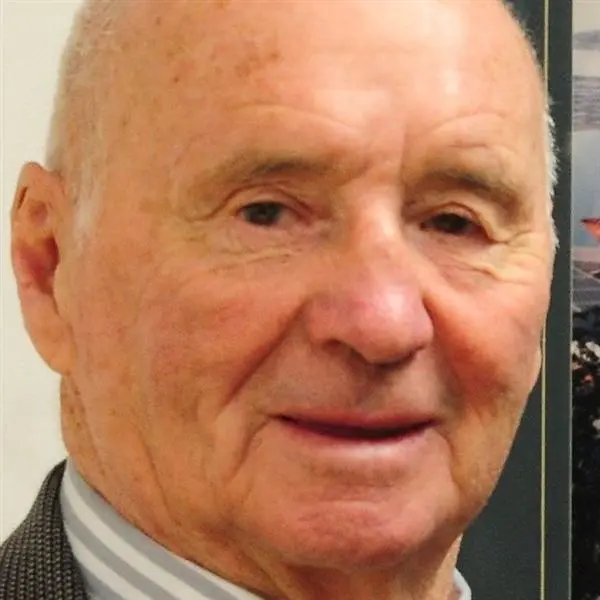
Mayor 1977-89
1: The justification for providing [community boards after the amalgamation of borough and county councils into the Dunedin City Council in 1989] was for a phasing-out period with a maximum of two terms.
Port Chalmers has 2400 people. But they've got dual representation. Central city citizens are subsidising them to have two bites of the cherry.
It's not fair and equitable for the people in the central city of Dunedin. No-one has dual representation there. No-one whatsoever.[Community board areas] have substantially more than any citizen in central Dunedin.
It should be abandoned completely.
The council's got greater representation now. It's got representation in every area where there's a community board. The whole lot.
We don't need a sub-board or a sub-council to run half the city at tremendous expense.
2: No. It's well past the six-year period. I can't agree with it.
Why should I as a Dunedin citizen pay my rates subsidising someone in Waikouaiti to provide them with dual representation?
3: They all should be removed now. Right now they should recommend that the community boards be abandoned in totality.[The idea that some communities would suffer without their community boards is] absolute b******t. You go and have a look at what Port Chalmers has got compared to when it joined the Dunedin City Council. You go and see what Waikouaiti has got.
They could never have got that on their own.
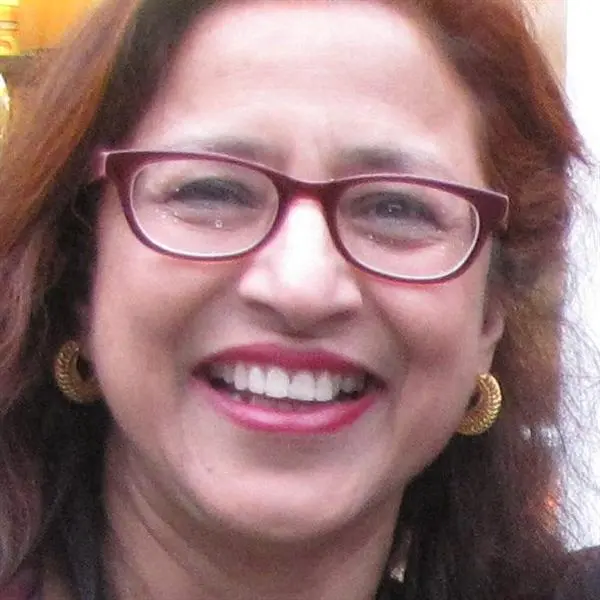
Mayor 1995-2004
1: They're absolutely valuable for democracy and for democratic processes. They are on the face of things; they're actually the first building blocks of democracy. They are aware of where things are and they're closest to the citizens. Community boards actually live in the place they represent.
2: Not at all. You're going to have the bureaucrats running the show if you're not careful. You just have to reduce the chief executive's salary by $200,000 and you've got the same savings.
The structure that has been set up since 1989 [local government reorganisations] made councils much larger to get cost-effectiveness. But what it actually did is it gave community boards as the mechanism to give grass-roots representation at the council.
3: No. Otherwise you're just going towards fascism. The way things are going you'll have very few people making decisions.
The long-term costs of not having robust democratic processes is dictatorship, really.
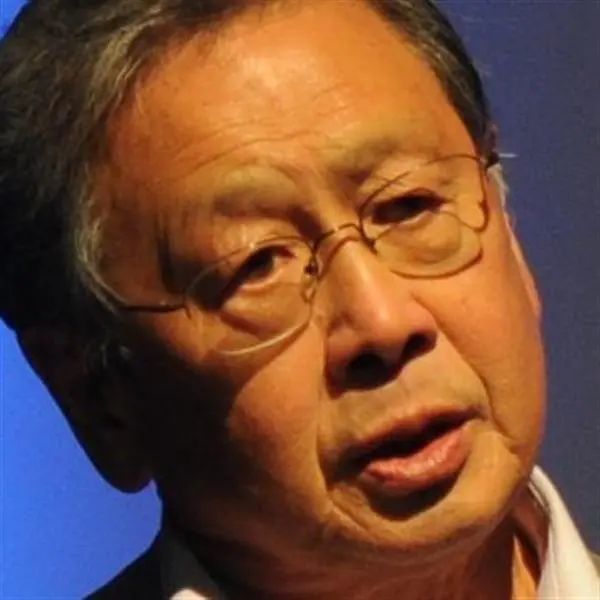
Mayor 2004-10
1: I think they've served a very good purpose in being able to focus on local issues. There are things that they do that are going to help focus and bring to the attention of wider council the issues of their communities.
If you go back to the reason they were set up, the amalgamation of all the various borough and county councils, they were set up then so that the various communities of interest could be represented.
2: I think that they've served a very good purpose. But everything evolves. I would venture to say that when they were set up their functions were more than they are now.
I agree with [amalgamating the six current boards into five] because the urban part of Mosgiel has very much become part of the whole cityscape.
I've got no issue with [cutting the numbers of board members from six to four]. Nobody likes change. Getting a quorum [with fewer board members] shouldn't be an issue. If you're elected you've made a commitment and you've got to be there. If you feel that that's going to be a huge struggle then you shouldn't stand.
3: I think that's progressively what should happen. This review panel has gone further than the last one did and the next one will perhaps complete that.
Progressively, as the city has embraced the amalgamation and worked through joining all the various communities together, so it becomes seamless. And the wider community can see that that's happening , so the role of the community boards changes and it's perhaps not as important as it was before.
There's a whole new generation who don't remember the Green Island Borough Council or the Mosgiel Borough Council. We're all part of the bigger city picture now.