
PHOTO
A Christchurch brush maker wants her handiwork put to work, not put on display.
Gemma Stratton is one of the tutors at Resourceful Craft 2026, a series of hands-on workshops in Dunedin during Labour Weekend that offers an antidote to a plastic world.
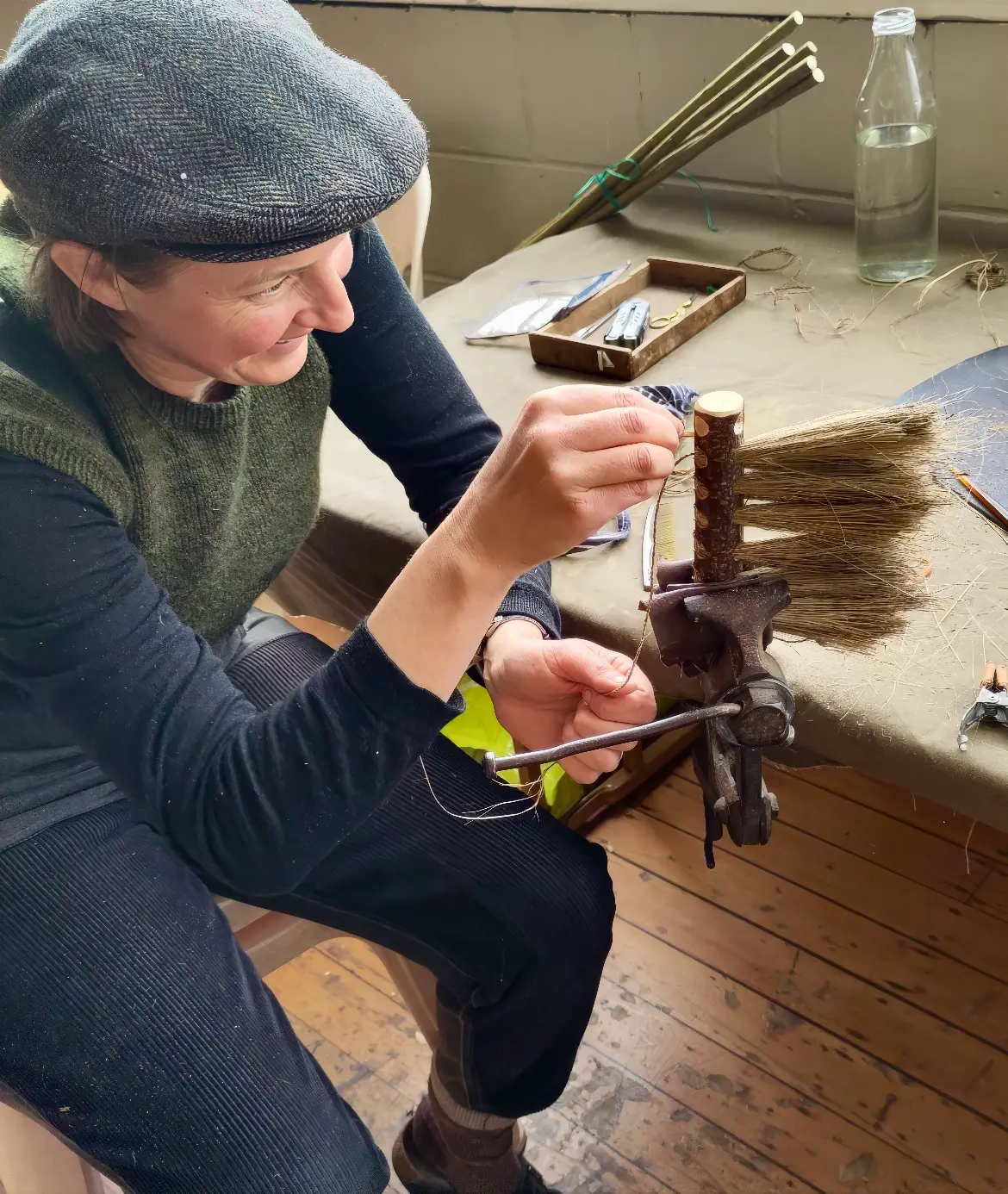
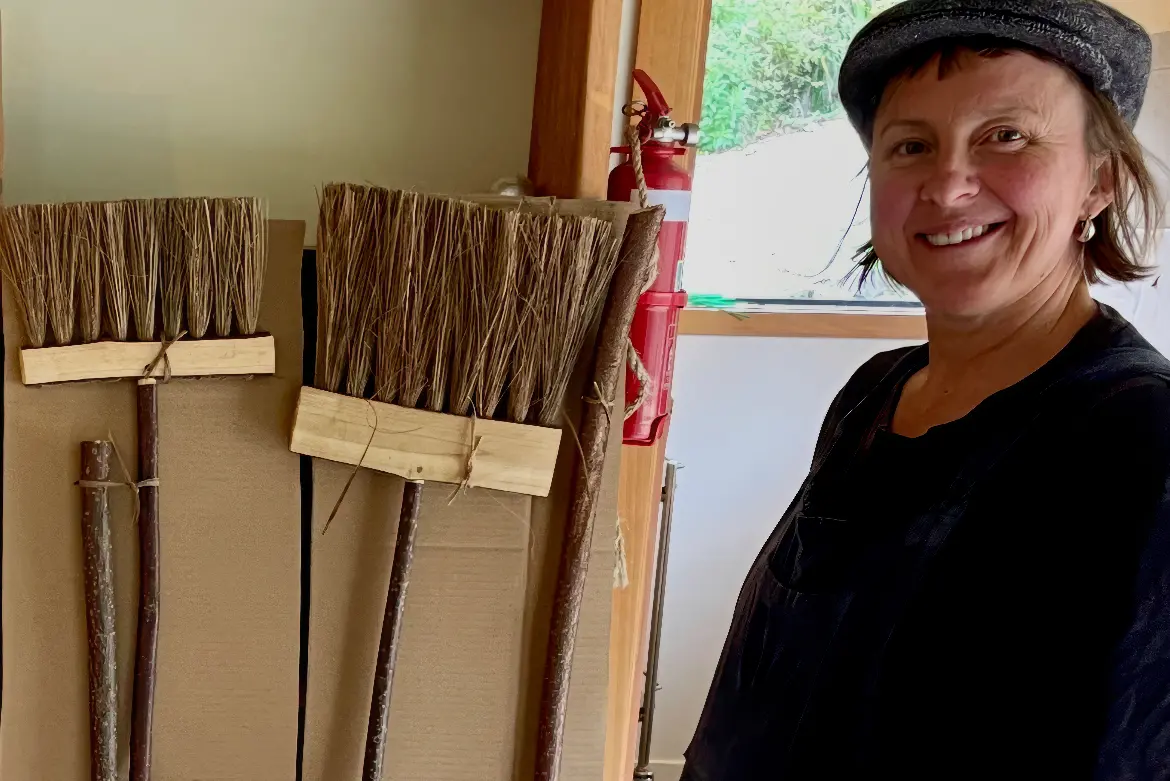
Stratton will teach people to make a hand brush, whisk brush or pencil brush from tī kōuka fibre and local hazel.
She grew up in the North Island and has woven since childhood. She found her calling while living in Berlin, where a brush shop down the road from her home also served as a rehabilitation centre. Many of its makers were blind or in recovery.
“I just loved this place so much. I went there every day and the range of brushware that they made was extraordinary,” Stratton said.
“Bushes for crumbs and brushes for keyboards and brushes for radiators and just everything. It was beautiful.”
Back in New Zealand, a commission for large woven light shades crafted from tī kōuka, the native cabbage tree, led to a breakthrough.
As she trimmed base ends from the cabbage tree leaves, she found the fibre she had been looking for to make bristles.
“It was important to me that the fibre wasn’t animal product and it wasn’t synthetic.’’
The butts of fallen tī kōuka leaves yield strong, water-resistant strands.
The fibres can be teased out, combed and dried before being laced into handles.
Stratton bases most of her brushes on a German method, where copper wire laces horse hair into the handle.
She carves the wooden grips with sharp blades and a shaving horse, which is a foot-operated vice.
“These are techniques, they’re not new techniques at all.’’
“These methods that I am using they have been practised by many cultures and in many places for years.”
All her materials come from the land and can return to it as compost or kindling.
“I’ve only ever made things that are useful, you know, things that you need.’’
She asks students to think about where their brush will live or who will use it.
“I really discourage them hanging it on the wall.’’
When someone recently sent her a photograph of one of her brushes framed behind glass, she was unhappy.
“I was like, ‘oh God, let that thing out, it needs to work’.”
Good tools can change how people felt about chores.
“Those tedious jobs like sweeping the kitchen floor … they really can be completely revitalised with beautiful tools, beautiful objects to do those sorts of daily tasks.’’
The workshops aim to help people who feel cut off from how everyday things are made.
“Just that transformation of materials is so important and so therapeutic,’’ Stratton said.
The workshops will be held at the Dunedin School of Art. Visit rekindle.org.nz for details.