
PHOTO
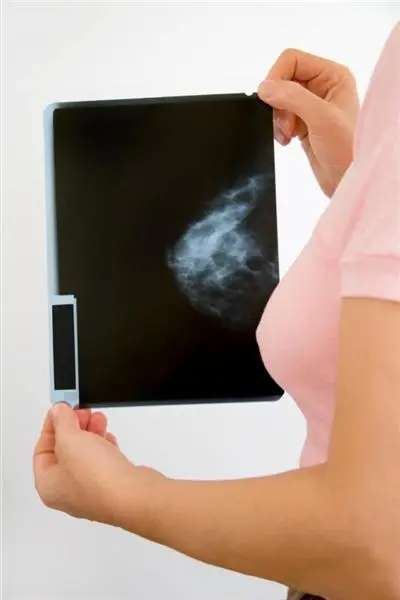
Five of the 241 women affected by a breakdown in communication over BreastScreen Aotearoa (BSA) mammogram appointments were found to have cancer when they finally had mammograms, it has been revealed.
In 2009, a software malfunction led to women missing out on being sent their two-yearly re-invitations to attend routine mammograms. The error was discovered after a woman who had surgery for breast cancer realised she had not been invited for a routine mammogram eight months earlier and complained.
BreastScreen Healthcare, which serves Otago and Southland, was one of four service providers most affected by the systems failure.
The issue, which was not made public at the time, was mentioned in last month's hard-hitting review of Breast Screen Aotearoa (BSA), carried out by Australian breast-screening monitoring authority Jennifer Mullen.
Her report said there had been potential for 10,000 women across the country to miss out on their two-yearly re-invitations for mammograms.
But the Ministry of Health said last week its analysis showed 241 women were affected.
Chief medical officer Dr Don Mackie, who has been appointed to head a clinically-led steering group to deal with the recommendations for improvement made by Mrs Muller, said the delay for one of the women was two years, meaning her gap between mammograms was four years instead of the usual two. The shortest delay for any of the five women was five months.
Two of the five women had been diagnosed by private providers between BSA mammograms, two had not been re-invited because they had not attended appointments in the previous screening round, and one woman due for her second routine mammogram was missed.
The software failure involved some versions of the system not updating records consistently, Dr Mackie said.
Some of the eight service providers throughout the country appeared to be aware of the problem and had avoided it by manually double checking to ensure women were not missed, but those relying on the software had a more significant problem, he said.
The four providers most affected were BreastScreen Midland, BreastScreen Coast to Coast, Breast Screen Central and BreastScreen Healthcare. The ministry could not give details about how many women in Otago and Southland were affected.
In an email response to Otago Daily Times, National Health Board national services purchasing director Jill Lane did not give a direct answer to a question about the impact a delayed diagnosis might have had on the prognosis for the women found to have cancer.
The programme did not gather clinical data on individual cases, she said.
Dr Mackie said once thesoftware problem had been identified, moves to identify women affected by the failure had been rapid. All were contacted and advised of the delay and each invited to attend an appointment.
Ms Lane said a quality and risk management group had been established since 2009 to ensure no changes to software could be introduced without the group's approval. A permanent centralised IT system was being developed and expected to be in place by the end of this year.
Responding to questions about why the software problem, which was treated as a sentinel event by the National Screening Unit and the Ministry, was not made public until last month, Dr Mackie said if the same event occurred today it would be reported publicly.
In 2009, public reporting of serious and sentinel events for district health boards was in its infancy and there had been a move since towards increasing transparency.
The level of risk or scale of the problem was also a consideration, he said. In the 2009 case, 241 women was a very small proportion of the total number of women screened.
One of the main purposes of classing events as sentinel or serious was to look at the systems underneath the problem and see what could be improved, and that had been done, he said.