PHOTO
Marlborough residents are being urged to prepare evacuation plans and grab bags ahead of what is expected to be a dangerous fire season.
El Niño typically brought to New Zealand a windy and changeable spring, dry spells in the north and east, heavy rain and storms in the west and south, and bigger swings between warm and cold.
The current El Niño phase was expected to be one of the strongest in recent history.
Fire and Emergency New Zealand wildfire manager Tim Mitchell told Local Democracy Reporting Marlborough’s fire season would have “elevated” risk as a result.
Marlburians should make plans and have “packs ready to go so that ... they can quickly evacuate”.
People living on rural, semi-rural and lifestyle properties, or who lived next to parks, reserves, or grasslands faced a high risk of wildfire.
But even urban residents should have a grab bag ready, as urban areas had their own fire risks, Tim said.
“These are your [homes], this is your community ... you need to make sure that you prepare, and prepare now.”
Fire restrictions could kick in earlier than usual, with peak fire risk due “any time from now onwards”, and could linger into autumn and potentially into winter, Tim said.
“Ninety-eight of our wildfires in New Zealand are caused by people. Which is a blessing and a curse, because it comes down to how well people are prepared,” he said.
Anyone planning to light a fire, use an outdoor heat source, or equipment that produced sparks should visit www.checkitsalright.nz website for the latest conditions and guidance, he said.
People should avoid fire risk activities on hot and windy days. That included using machinery, vehicles and mowers that could heat or throw sparks into vegetation, and people should keep lawns short to avoid mowing in long, dry grass.
Dry grass and vegetation was good fuel for fire, so keeping on top of lawns and gardens would be really important, even in low risk areas, Tim said.
Nelson Marlborough assistant district commander Shane O’Brien urged residents to clear dried vegetation from around their homes, and maintain a green barrier of healthy, trimmed vegetation as a buffer.
Fire and Emergency NZ staff had themselves started preparing for the fire season earlier than normal, checking equipment, updating their contact details with organisations like DOC, Marlborough District Council, and the forestry industry, and taking workshops on lessons learnt from previous seasons.
Council parks and spaces manager Jane Tito said Marlborough Emergency Management encouraged the community to prepare for water restrictions, wildfire risk, extreme heat and power outages.
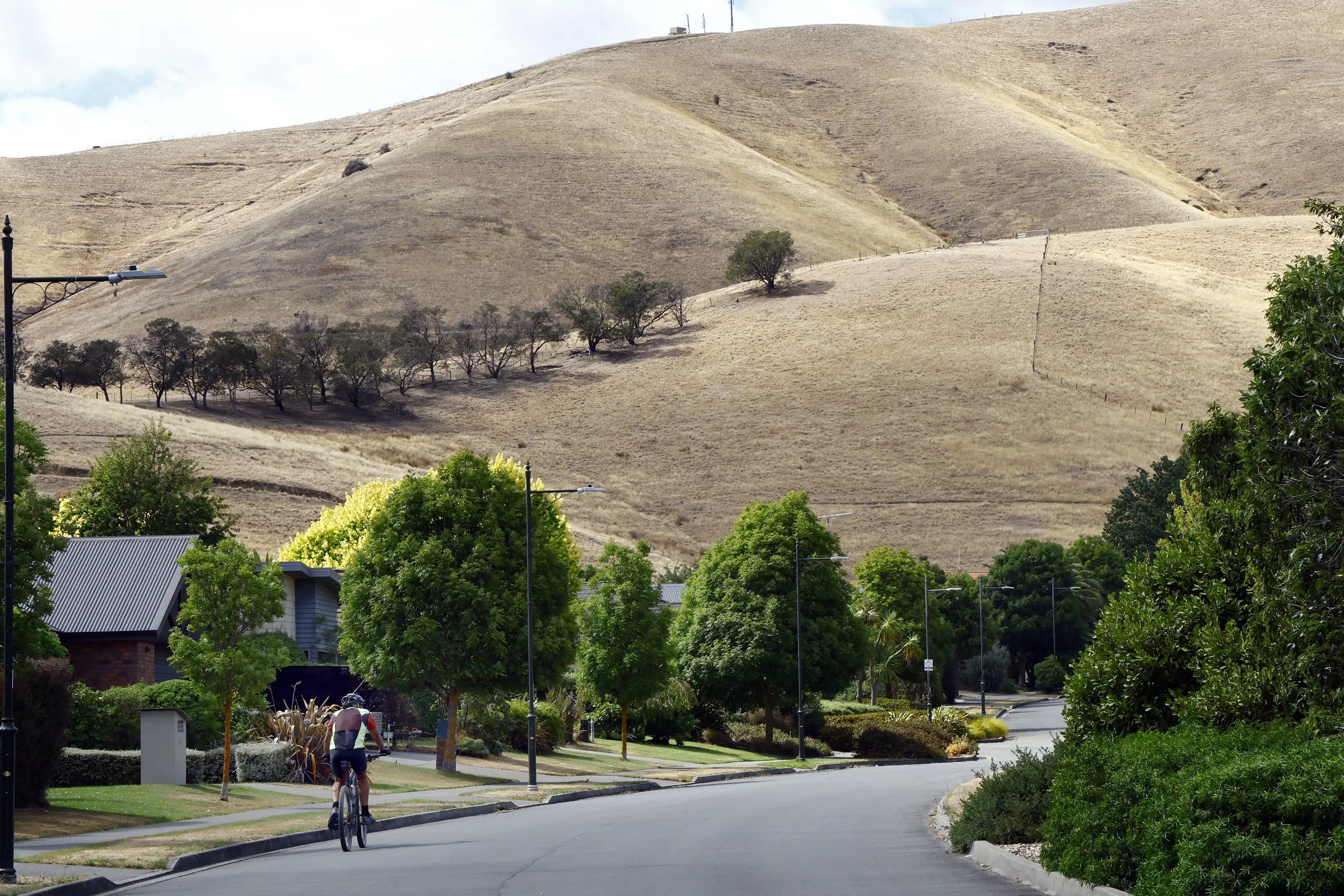
The council assessed the fire risk at Wither Hills Farm Park daily, and used sheep and cattle grazing to keep the grass short. If the fire danger became too high, the council would take “appropriate action”, potentially closing part or all of the park, Jane said.
Farmers were expected to bear the brunt of El Niño’s effects.
Beef + Lamb New Zealand said in September farm profit before tax was projected to fall 24% in Marlborough and Canterbury this financial year due to drought, and lower production and higher feed costs could flow through to processors, exporters and eventually, supermarket prices.
LDR is local body journalism co-funded by RNZ and NZ On Air.