PHOTO
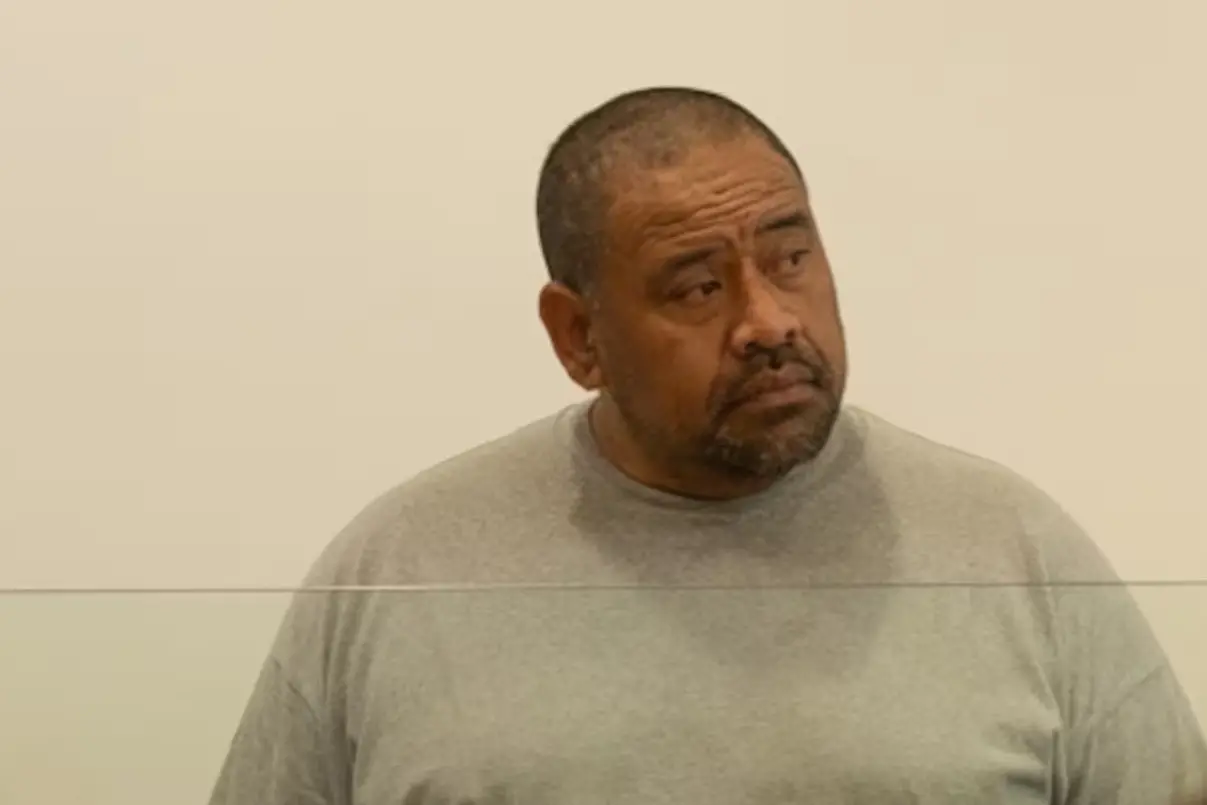
What drugs did John Lomu, the brother of the late All Blacks legend Jonah Lomu, help smuggle into the country? And how much?
That is something the court will never know, as the drugs inside the packages he took from the depot where he worked and delivered to importer Silila Vaivai were never found.
Adding to the mystery was why he did what he did, especially when his lawyer, Jasper Rhodes, acknowledged at sentencing today that Lomu, 50, had been spared many of the hardships often experienced by those who come before the courts.
Lomu also told the writer of an alcohol and drug report that he did not suffer from drug addiction.
Rhodes did point out, however, that there had previously been suggestions his client had been coerced through possible gang involvement, but he did not take that information any further in court today.
Lomu and Vaivai, 38, were sentenced in the Manukau District Court for their role in a drug-smuggling operation that saw an unknown quantity of unknown drugs removed from international packages and supplied to the community.
Lomu faced one representative charge of possessing a controlled drug for supply, while Vaivai faced charges of importing controlled drugs for supply and refusing to give police access to his phone.
According to the summary, Lomu was a ramp agent at a FedEx depot in East Tāmaki, Auckland, and one of his jobs was to deliver packages from the FedEx depot to the air cargo inspections facility.
Customs noticed some of the packages appeared to have been opened and tampered with before being delivered by FedEx to Customs.
In August 2023, undercover investigators watched Lomu stop at a house in Māngere, South Auckland, while driving from the FedEx depot to the Customs site.
On his return journey, he met Vaivai, a former FedEx employee.
The clandestine meeting was enough to persuade a judge to allow the use of surveillance devices on both men, including GPS tracking and covert cameras.
The devices helped to prove that, between June and September 2023, the two defendants met to exchange packages when Lomu should have been driving straight from the FedEx depot to the Customs site.
The parcels Lomu provided to Vaivai, which had just arrived from overseas, contained “controlled drugs”, the summary said.
Vaivai would remove the drugs from the newly arrived packages and allow Lomu to take them on to Customs.
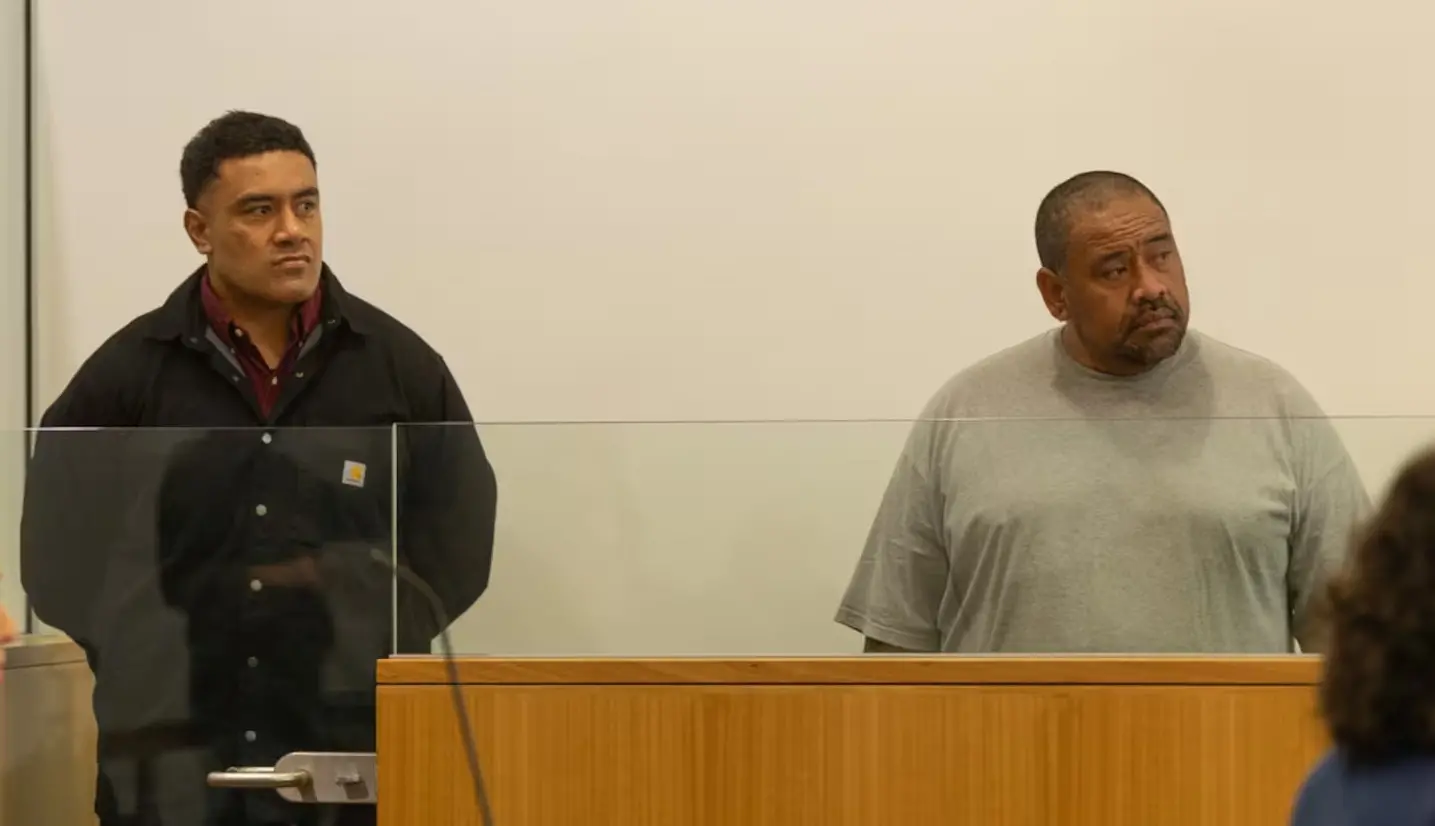
Investigators counted 15 instances of Vaivai importing drugs, 14 of which were aided by Lomu.
In one instance, a package labelled “lightings” was found by Customs to contain used clothing and weigh 3kg less than it was listed to weigh.
Notes later found on Vaivai’s phone labelled “projects” included bullet points that read “Ice” and “7712 LED lights”.
Lomu made multiple cash deposits to his ASB account during the relevant period, ranging from $200 to $2500 and totalling $58,695.
There was also a direct credit transaction of nearly $200,000 in November 2023, and his Wise banking app was found to contain $250,000.
During a police search of Vaivai’s Blockhouse Bay, Auckland, home in May 2024, around $500,000 in cash was found in the boot of his car, as well as a cash-counting machine and a phone that he refused to give police the passcode for.
At the sentencing hearing, the public gallery was again filled with whānau of Vaivai and Lomu.
Judge Richard McIlraith detailed the caution he had to take in sentencing the men when he did not know the quantity or type of drugs that had been imported.
What he did take into account was the amount of cash “flowing” through their accounts and the cash found in Vaivai’s boot, which he said he tried to consider without making assumptions.
“With half a million dollars in the car, it’s hard not to. We’re clearly not dealing with shoes.”
He said Lomu had given reasons for his offending but he did not want to go into them in open court.
The judge reduced Lomu’s sentence for his extended time on restrictive electronically monitored (EM) bail, clean record and guilty plea, and sentenced him to nine months’ home detention.
“But for the fact that you have been on EM bail ... you would have been going to jail.”
He sentenced Vaivai to two and a-half years in prison.