


By Katie Newton of RNZ
A miscalculation has left New Zealand with less wiggle-room to meet all of its planned greenhouse gas savings.
The Ministry for the Environment said the proportion of diesel cars in the country's vehicle fleet has been under-reported, leading to the error.
It means New Zealand is producing thousands of tonnes more in greenhouse gas emissions than previously reported, which now have to be accounted for in the government's emissions savings plans.
New Zealand has five-yearly 'emissions budgets': the total amount of carbon-equivalent emissions the country can produce if it is to stay on track to meet long-term climate targets.
The emissions budget for 2026 to 2030 is still on track despite the mistake, the ministry said.
However, the buffer has shrunk from 4.5 million tonnes of greenhouse gases to 3.6 million tonnes - just a 1.2% buffer for the overall budget of 305 million tonnes.
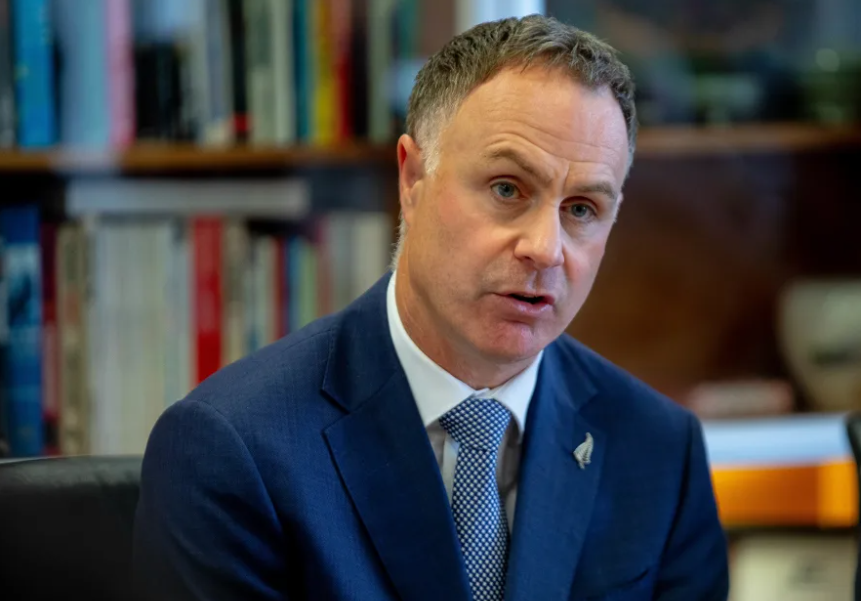
The ministry has also published an updated emissions reduction plan that takes into account the government's decision not to introduce a pricing scheme for methane emissions from farms.
It was "likely" that a pricing scheme would have helped to reduce emissions once it was implemented, the amendment said.
However, the impact was not specifically modelled.
"The scenarios modelled ... did not distinguish between additional government policy and industry action in terms of their impact on emissions."
In a foreword to the new plan, Climate Change Minister Simon Watts said public consultation on the amendment "highlighted that widespread adoption of the emerging mitigation tools is critical for a technology-led approach to succeed".
"We agree with this."
The government has pointed to a 'pipeline' of agricultural methane-inhibiting technology as crucial to achieving New Zealand's domestic and international emissions targets.
It has invested $400 million in the development of new technologies through the government-industry partnership AgriZero.
Some tech, like a small metal 'bolus' that is administered directly to cows and sheep, or a vaccine, could reduce the amount of methane an animal produces by as much as 30%.
However, there are lingering questions around farmer acceptance of new technologies and who will pay to implement them.



