
PHOTO
A woman who restrained an Invercargill man while he was stabbed to death says she should never be forgiven.
Georgia Rose Dickey, 24, appeared before the Parole Board yesterday but spoke sparingly when questioned by panel members.
A Corrections case manager explained the woman, who previously pleaded guilty to being a party to the murder of 19-year-old Jack McAllister, found the process "overwhelming".
Board member Prof Susanna Every-Palmer said a letter written by Dickey following a similar previous hearing was revealing.
"Your voice has not been silent," she stressed.
Dickey wrote that she held the "strong belief" she should never be forgiven for her role in the vigilante murder.
"Though I’ll never be able to forgive myself for what I did, I’ve come to accept I can’t change it, and punishing myself for it isn’t the way to go," the letter said.
"I know I’ve got to get on with what’s needed of me."
Dickey, who was 16 at the time of the crime, was originally sentenced to life imprisonment with a minimum of 10 years behind bars, but later successfully appealed that, in what has become a landmark judgement for young killers.
The Court of Appeal instead imposed a 15-year term with a minimum non-parole period of seven and a-half years.
In June 2017, rumours swirled that Mr McAllister had interfered with a young person, resulting in social-media conversations and the assembling of a vigilante group.
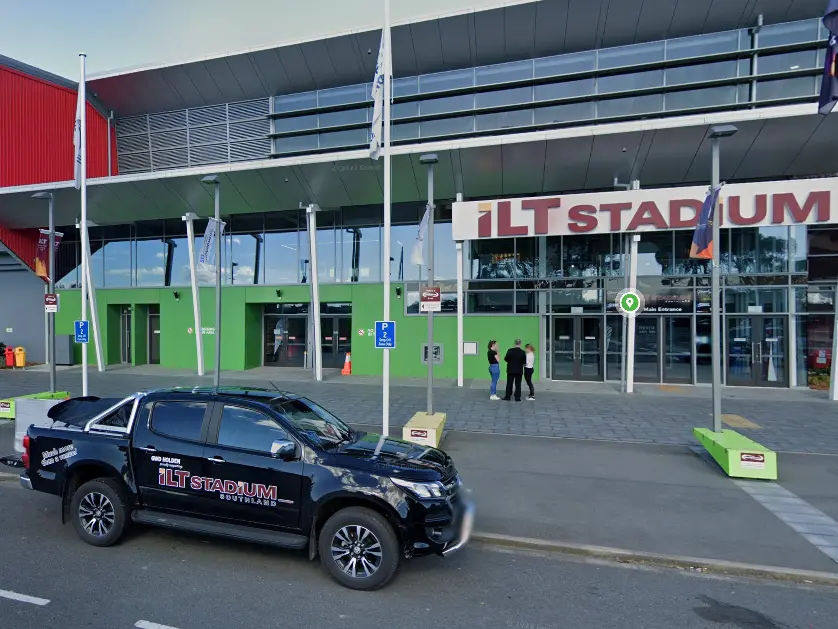
One of them lured the victim to ILT Stadium Southland with the offer of a romantic liaison while several others positioned themselves to ambush him.
Brayden Whiting-Roff stabbed the victim who then tried to escape, but he was tripped by Christopher Brown and then held by Dickey as the attack continued.
The court at sentencing heard she said "enough is enough", but Mr McAllister was stabbed 14 times, later dying in hospital.
Counsel Sarah Saunderson-Warner told the Parole Board yesterday her client accepted early release was currently unrealistic.
Dickey had accrued some misconducts while in prison, which resulted in her security status being elevated, though it had recently been dropped to low-minimum after a spell of better behaviour.
However, a Corrections officer informed the board the inmate had damaged a window a fortnight ago, which had come with the punishment of a five-day cell confinement.
Board chairwoman Jan-Marie Doogue declined parole and Dickey’s next hearing was set for September.
Her sentence expires in June 2032.
Brown was also refused early release when he appeared before the board on Monday and will next be seen in July.
Whiting-Roff will become eligible for parole in December 2029.