
PHOTO
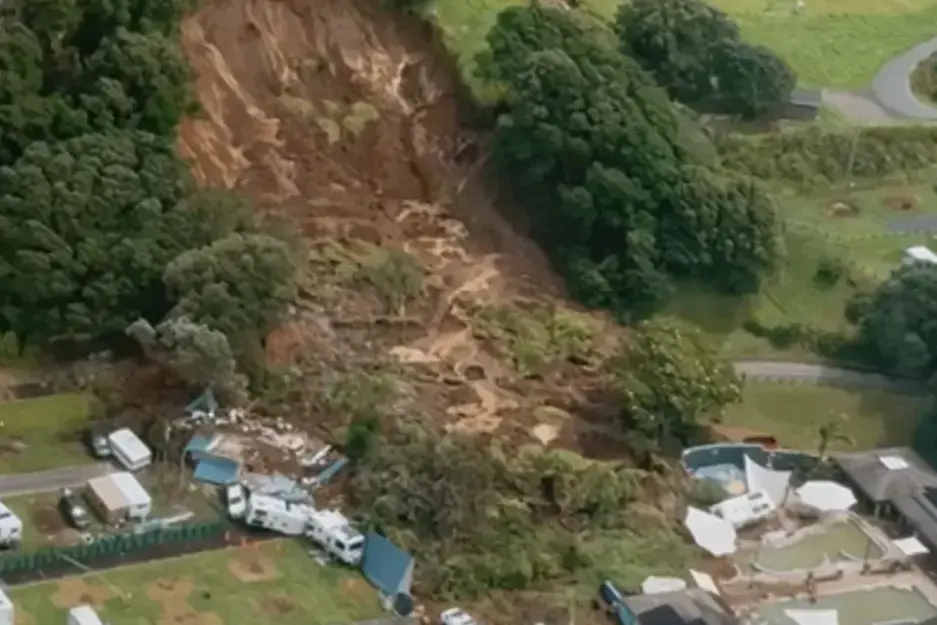
A report into the fatal landslide at Mount Maunganui says information identifying a risk to life was received, filed, discussed, forwarded - and then left.
"The failure was not the fault of any one person; it was the failure of a system that enabled an identified risk to life to remain unowned, un-escalated and unmanaged," the report said.
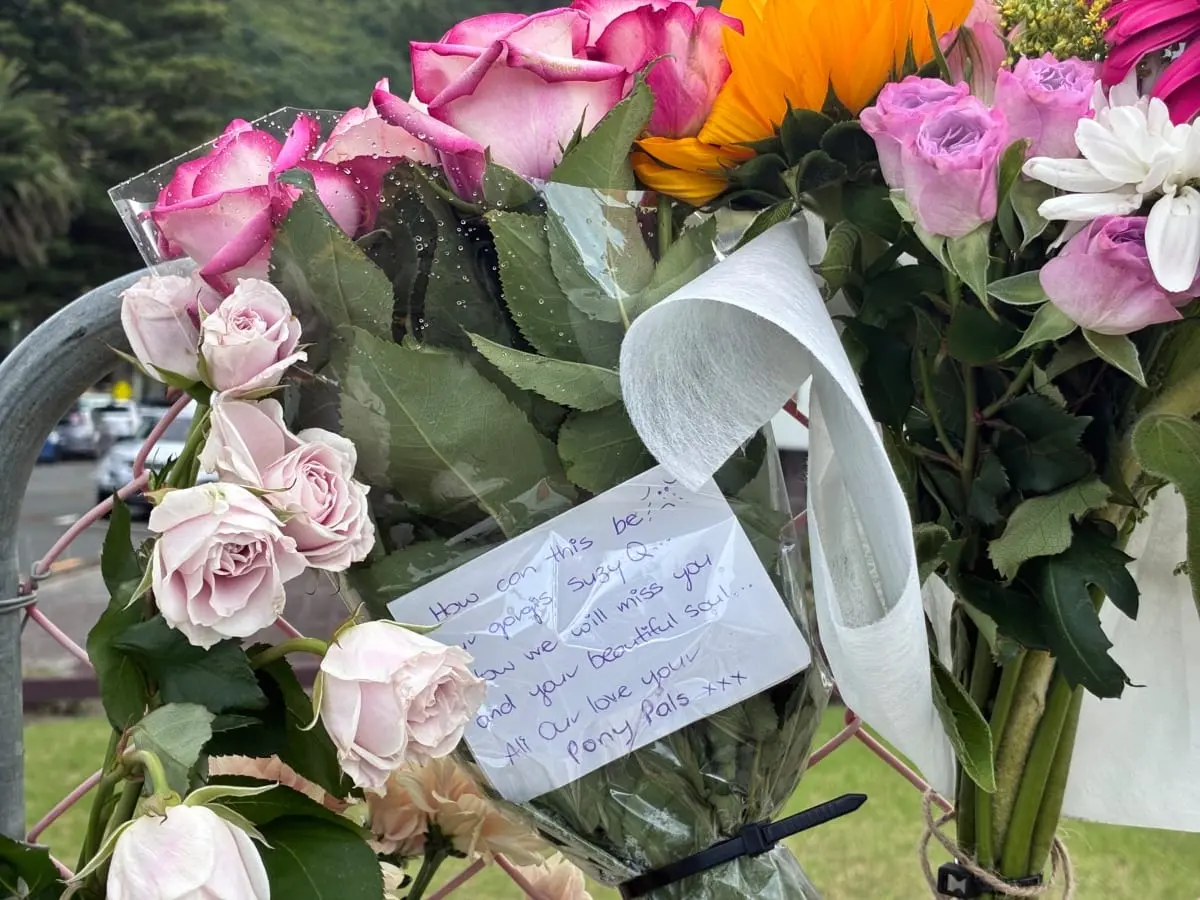
Six people died in the landslide on 22 January 2026. They were Lisa Maclennan, Susan Knowles, Jacqualine Wheeler, Måns Loke Bernhardsson, Sharon Maccanico, and Max Furse-Kee.
Retired high court judge Hon Paul Davison KSO KC, who wrote the report, said they had come to Mauao to do what thousands of New Zealanders do each summer - to camp in a spectacular setting beside the ocean beach and beneath a mountain of great beauty and cultural significance.
They trusted they would be safe and if any natural hazard risk arose, that they would be warned and protected.
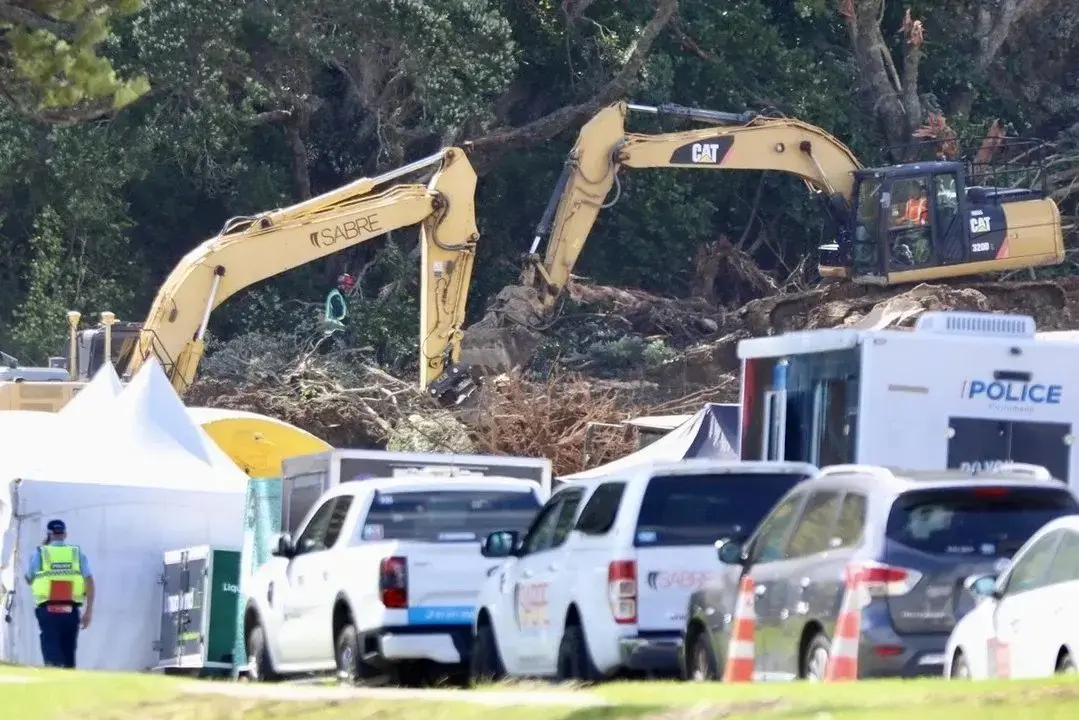
"Nothing in this report should be allowed to obscure that," Davison said.
"The central conclusion of this review is sobering in its simplicity. This was not a hazard that was unknown, hidden, or beyond the reach of foresight.
"For more than two decades, one competent consultant after another identified the landslide hazard to the campground, located it on the very slope that failed, and explained - sometimes in stark terms - what the consequences of a landslide occurring could be.
"As long ago as 1999, Dr Laurie Richards warned that the siting of fragile holiday accommodation directly beneath these slopes was imprudent and that the risk to sleeping occupants was high."
He said in 2006 it went further, estimating that a debris flow of the kind that had happened before would place some 30 people in its path and kill 21.
The same warning and the same precisely-marked aerial photograph of the historic scarp was repeated "again and again" over the years that followed.
"And experience had repeatedly demonstrated that high levels of extended rainfall increased the likelihood of landslips occurring, and extremely high levels of extended heavy rainfall increased the risk of large scale landslides occurring."
Davison said in late 2023 and again in mid 2025, a Trigger Action Response Plan - which was an effective means of mitigating the risk - was recommended and not acted on.
"The knowledge was there. The means of reducing the risk of a landslide occurring was identified, available and relatively inexpensive to implement."
He concluded that what was missing, was not knowledge, but an organisation able to hold, assess, and act on it.
"The geohazard sat at the administrative and legal boundary that exists between the mountain and the campground, and responsibility for landslide risk fell somewhere between the Tauranga City Council teams responsible for each.
Davison said no single person within the TCC organisation "owned it" and no system mandatorily required the risk to be recorded, escalated, or tracked.
"Reports identifying a risk to life were received, filed, discussed, forwarded - and then left."
He said successive restructures dispersed the people who held the institutional memory and continuity of that invaluable knowledge was treated as expendable.
"Time and time again the recommended measures or controls were scoped out or simply not actioned."
Davison said on the morning of 22 January, these systematic flaws combined and were compounded.
"Warnings came early and from several directions."
This included from the intense rainfall, from the large slips already coming down around the mountain, from several smaller slips on the slope, and from muddy water streaming from the foot of the slope before it finally failed.
"The instinct to move people away from the toe of the slope was even voiced by some of those who observed these signs, but there was no plan against which to assess those warnings, no threshold criteria requiring action, and no training of staff enabling them to recognise observable signs which indicated an elevated risk of slope failure and no one charged with making a properly informed evacuation decision.
"The most consequential safety decision of that morning was left, by default, to the manager at the campground who have been given neither the tools nor the knowledge to make it.
"In my view, the criticism justly and appropriately lies with the organisation that left the campground manager and his staff so ill-equipped and unprepared to make the decisions that could have avoided this tragedy."
He said had a Trigger Action Response Plan of the kind been twice recommended, that morning would have looked very different.
"Such a plan would not have depended on anyone reading the slope correctly in the moment. Its rainfall trigger would likely have been engaged overnight, by rainfall that was the heaviest in some 20 years; and if not, independently by its second trigger - the prolific and very obvious discharge of muddy water from the toe of the slope, observable for several hours before the eventual slope failure - should have required the same response."
He said each trigger on their own would have called for at least the precautionary evacuation and exclusion of the campsites.
"Had those areas been evacuated and kept clear, as such a plan would have required, the people who lost their lives would not have been within the path of the landslide when the slope failed.
"The loss of life could have in all likelihood been averted."
Davison said it was important to be clear that the review did not find that any individual did anything intentionally wrong, or that any one or more persons' acts or omissions caused these deaths.
He also did not find that the removal of trees in 2019 caused the landslide and makes no findings as to civil, criminal, or disciplinary liability.
What it did find, he said, was that the tragedy was preventable.
"I do not mean by that that anyone could have known that this slope would fail at this moment, on this particular morning - no one could.
"I mean something more deeply troubling; that the hazard was known, that an effective and inexpensive means of managing the risk it posed had twice been recommended, and that the council had every opportunity to put it in place.
"What was required was not extraordinary foresight."
Davison said the recommendations he's made are directed to building a single accountable ownership of every risk to life.
"Mauao is a revered taonga, a sacred maunga, a place of belonging, of healing, and of inspiration for the people of Tauranga Moana, and for many people privileged to visit it and who hold and treat it with respect.
"It will always be so. But the events of 22 January 2026 have shown, at the most heartbreaking cost, that reverence for the mountain and responsibility for those who climb it or gather at its foot must go hand in hand.
"While the law draws a boundary between the reserve and the campground, the mountain recognises no such line, and neither does the landslide risk that lies within its slopes."
He said if the recommendations are acted upon, it will materially reduce the chance of such a tragedy ever occurring again.
