
PHOTO
Hospitals have created dedicated flu wards and some elective surgery is being cancelled, as influenza A hits the health system hard.
Health bosses were now meeting daily to monitor the situation and keep an eye on hospital capacity across the country, with the upper North Island most affected.
Nurses said Health NZ was not doing enough and front-line health staff were struggling to cope.
Over the past two weeks, the number of patients turning up to emergency departments had increased and, in the first week of August, flu admissions doubled.
Health NZ winter planning lead Chris Lowry said flu-only wards helped keep others safe.
"If we aggregate people together, that helps stop any internal spread, when you might have them scattered through a ward... even if they are in isolation."
She was not able to name all the hospitals that had dedicated flu wards, but said they tended to be larger hospitals.
As well as the daily meeting, Health NZ had set up a national co-ordination centre to help with planning and support any areas that needed it , Lowry said.
Each hospital had 'flex beds' that could move to where they were most needed, as part of Health NZ's winter plan, released in April with a promise to help ease pressure, but the NZ Nurses Organisation is asking where that plan is.
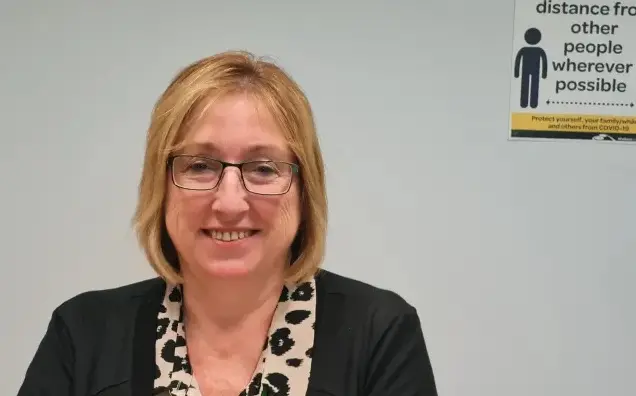
Delegate and Waikato Hospital emergency department nurse Tracey Chisholm said there was very little sign of it - including the extra beds.
'Bed block' - where patients became stuck in the emergency department, because there was no space for them in a hospital ward - was still happening, she said. That contributed to regular wait-times of 10 hours or more.
Lowry said the planned flex beds were not always available, partly because winter illness was also taking out the nurses who would staff them, but the union said Health NZ should have addressed chronic understaffing.
A really 'yuck' strain
Many general practices were also separating patients with flu-like symptoms.
NZ College of General Practitioners president Luke Bradford said some were holding dedicated respiratory clinics or seeing patients with flu symptoms in a different space to others.
Those who ended up in hospital tended to have either developed secondary infections, such as pneumonia, had complicating conditions, or were unwell from high fevers or dehydration, he said.
"Every so often, you get a strain of flu that is just yuck, that does make people feel particularly unwell, and I think that's what we've got this year. It does seem to have come quickly, as the peak's ramped up very fast."
Doctors at the top of the North Island had particularly noticed big numbers through the doors, with the peak appearing to hit later than the South Island, he said.
Bradford was following his own advice this week, staying home and away from a planned gathering, because of flu-like symptoms.
"I wrote myself a list of chores and then have failed to get any of them done, so I've actually sat on the sofa with some Panadol and fluids and a cup of tea, and been watching some streaming programmes," he said
Anyone with flu should rest and hydrate, and contact their doctor, if they were worried, or had shortness of breath, chest pain, a worsening fever or felt very unwell.
Lowry said anyone who needed to go to an emergency department should always go, and they would be seen and well cared for.
It was not too late to get vaccinated and the available vaccine covered influenza A, she said.
