
PHOTO
The Department of Conservation will step up predator control in South Island forests as the largest beech seeding in seven years is expected to put native species at high risk.
The beech mast will drop trillions of seeds, leading to an increase in rodent and stoat populations with devastating impacts on native birds, bats, snails and other wildlife.
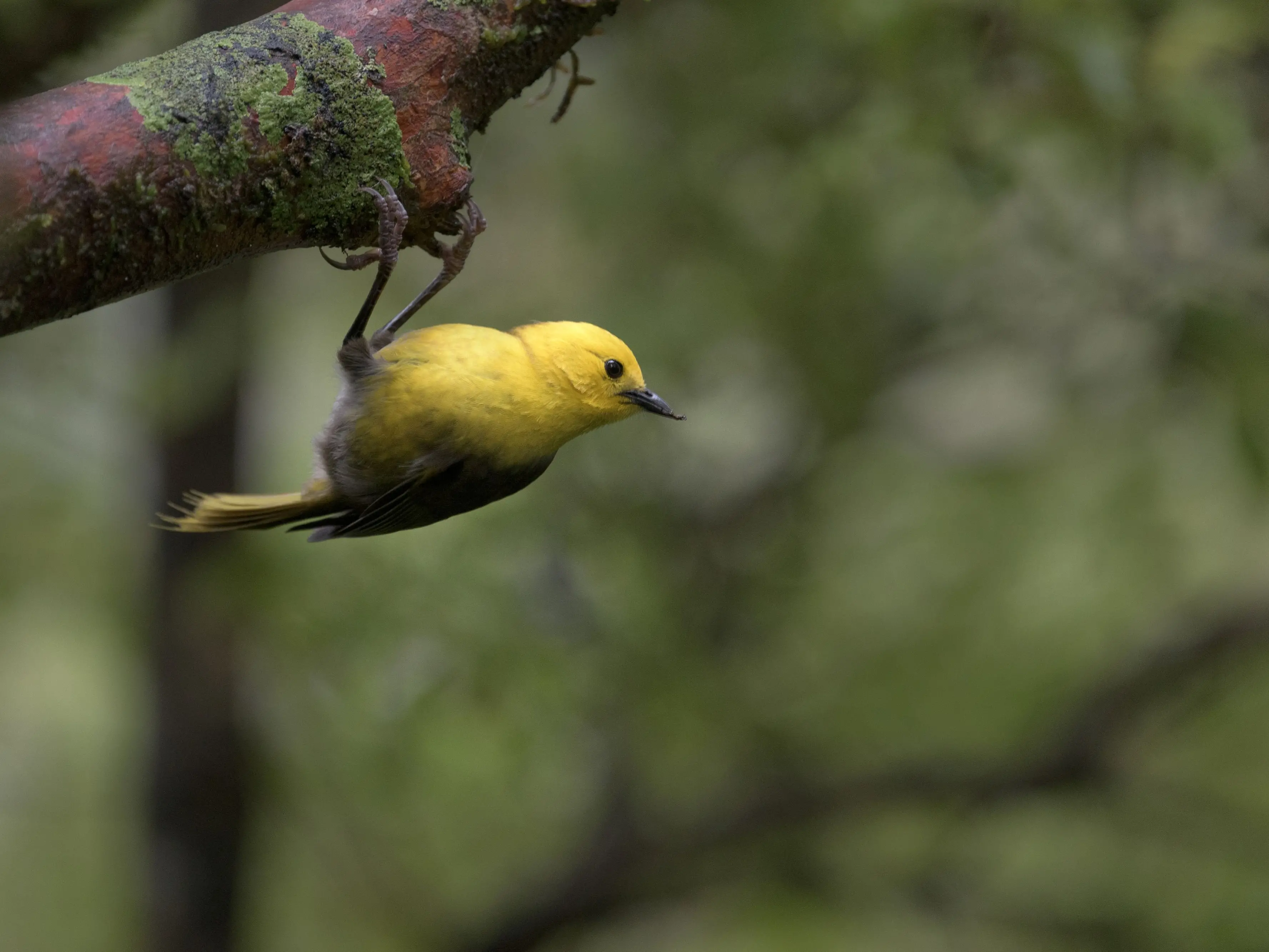
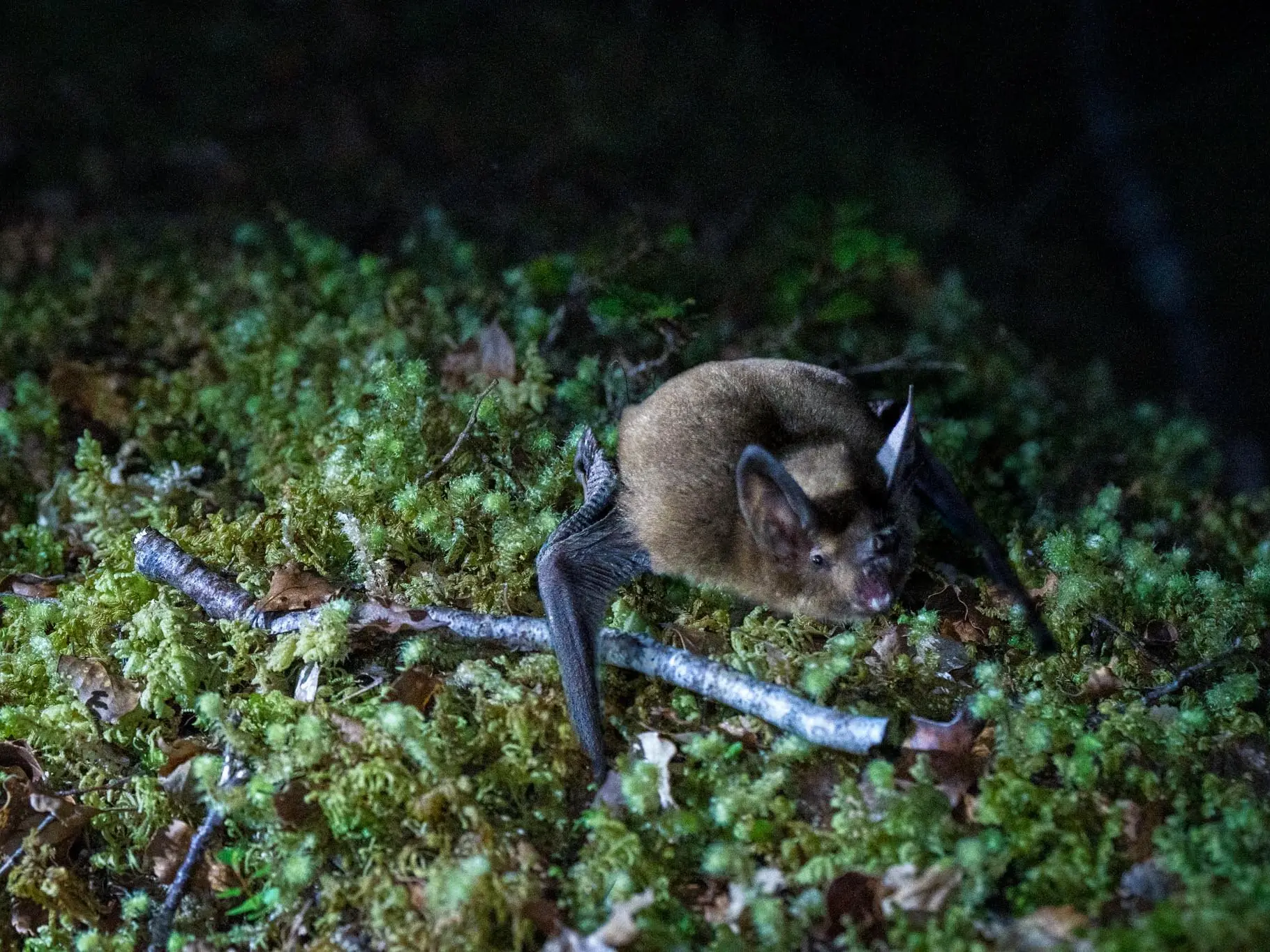
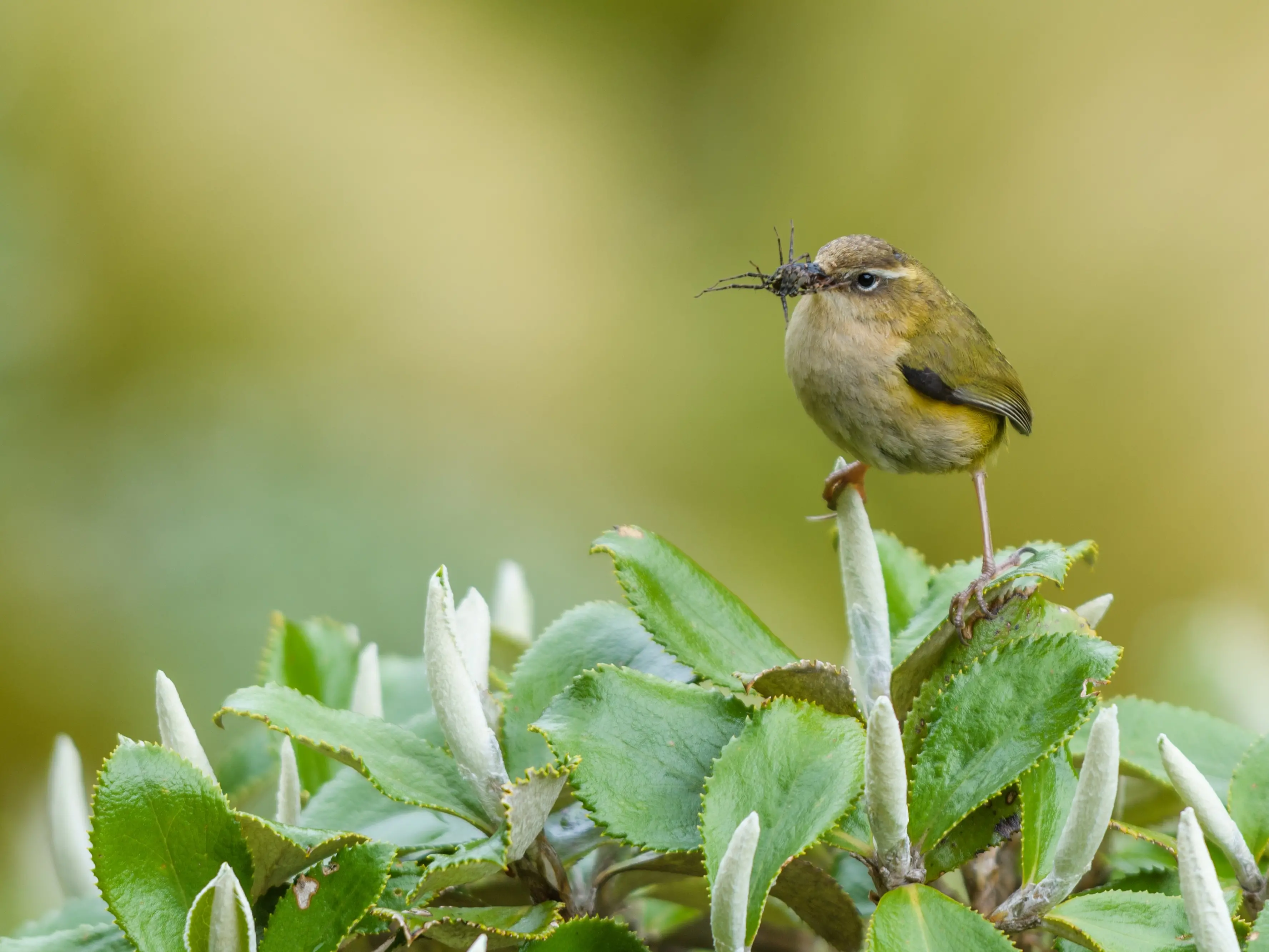
Doc national predator control programme manager Peter Morton said the larger than usual predator control programme would help protect species including mohua, rock wren and pekapeka.
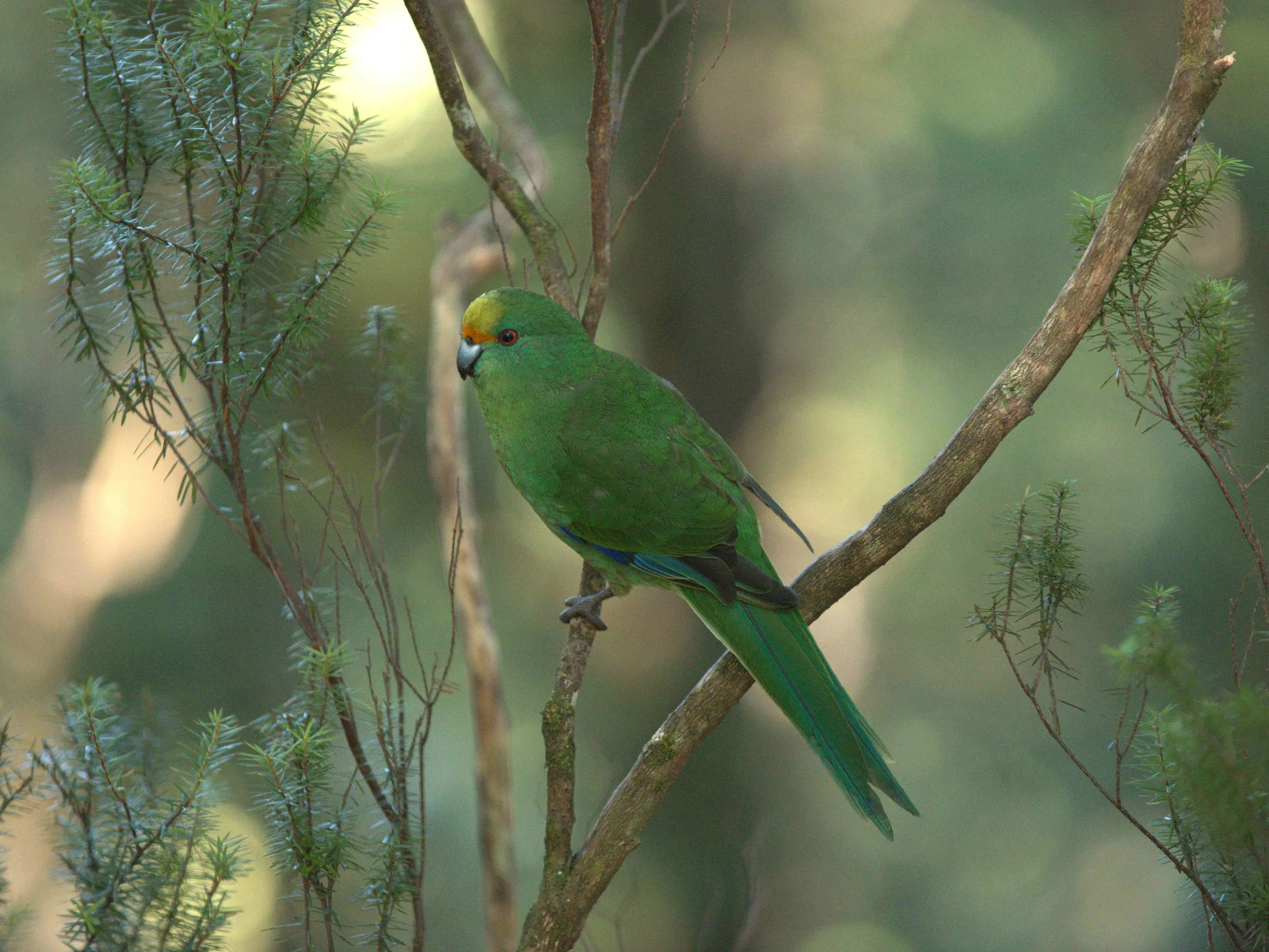
Monitoring showed that carefully timed aerial 1080 operations prevented large spikes in predator numbers, enabling birds and bats to survive and breed successfully.
Operations would be focused on the best surviving populations of endangered wildlife in Kahurangi, Mt Aspiring, Arthur’s Pass and Fiordland national parks, Mr Morton said.
Fifteen predator control operations were planned covering 650,000ha which were in addition to Doc’s regular programme that took place throughout 150,000ha.
Doc is consulting with iwi and hapū, stakeholders and communities about the proposed operations which are due to start later this year before seed falls in autumn.
The second phase will start in late 2026, once the seed has been eaten or germinated.
This avoids times when beech seed covers the forest floor and rodents are less likely to eat toxic bait.
If no action was taken some species would be decimated, he said.
"Some of our last surviving mohua populations are hanging on by a thread and there’s a risk with a surge in predators we could lose them."
Mohua/yellowhead are helpless when rats invade the tree holes where they nest and roost.
A rat plague during a beech mast in 1999 wiped out the last surviving population of mohua in the northern South Island at Mt Stokes. — Allied Media