
PHOTO
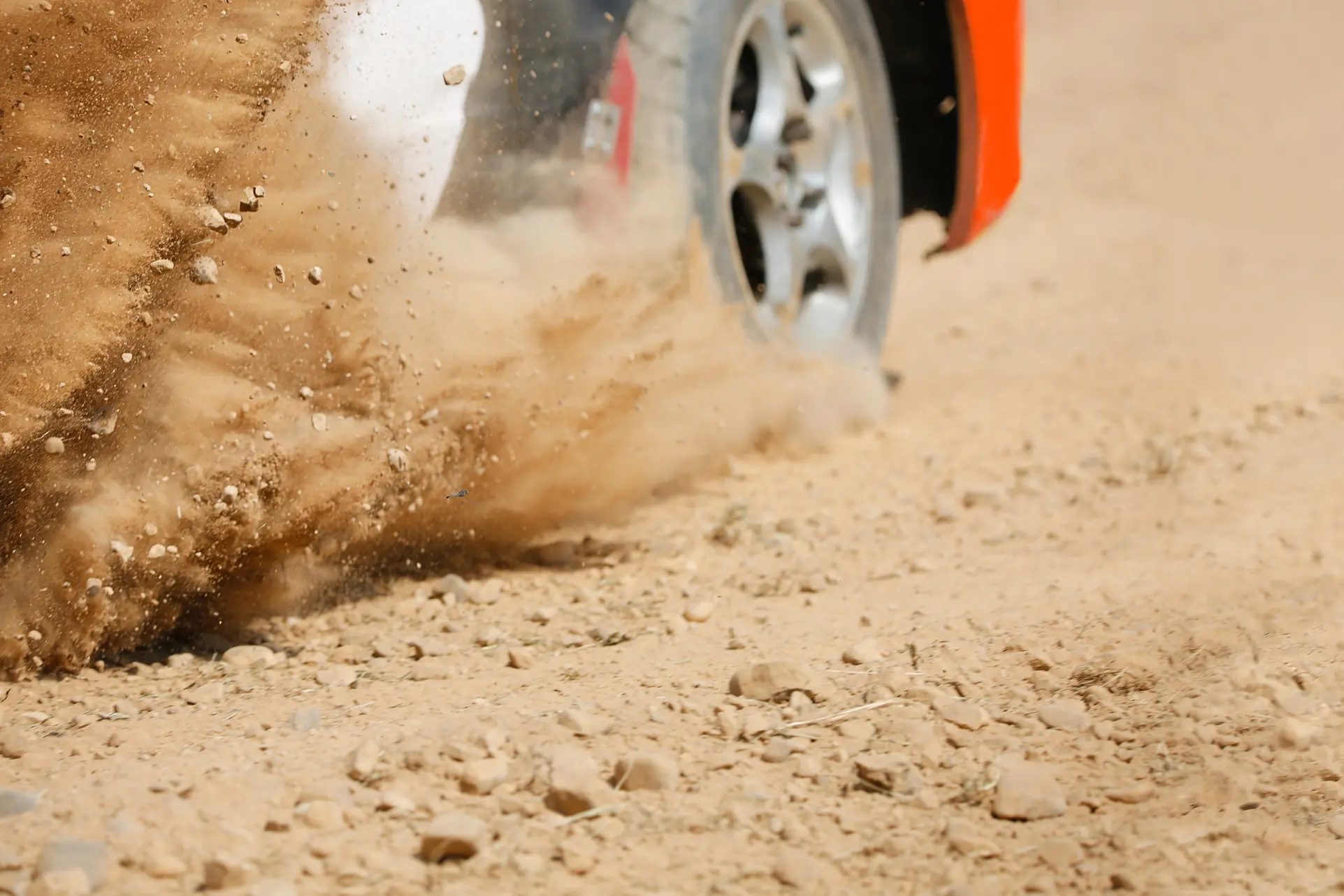
A farmer has been left more than $4000 out of pocket after a rally car crashed through his fence, the race organiser failed to get it fixed, and his cattle escaped and got into hay bales on property down the road.
The farmer’s efforts to fix the fence with a temporary electric fence contributed to his failed claim with the Disputes Tribunal, which found his “negligence” was to blame.
This was despite the rally organiser breaching an agreement to repair the fence damaged in the rally, but it would be unfair to hold the organiser responsible for the failure of a temporary solution it had no hand in, tribunal referee Leonie Thompson said.
She found in dismissing the claim “it was not reasonably foreseeable” that the rally car breaking the fence would lead to cattle damaging plastic wrapping on a line of hay bales on the farmer’s property down the road.
The sequence of events flowed from the car rally in November 2023 and ended in the tribunal this year.
A driver crashed and knocked over two fences owned by the farmer after the council had given permission to close public roads used for the course and all affected landowners had been advised, Thompson said.
The organiser also took responsibility for damage incurred on behalf of any driver.
Thompson said after the crash the organiser agreed to repair the farmer’s fences.
However, that didn’t happen.
Despite asking a contractor to do the work, the repairs were not done and the organiser never followed up.
A few months later, the farmer needed to use his paddock and put up a temporary electric fence, Thompson said.
She said it failed, the cattle escaped and damaged wrapping on baleage on the farmer’s property further down the road.
The farmer arranged for the fences to be repaired and the organiser reimbursed him for the cost.
The farmer then claimed $4432 from the rally organiser, the cost to have the hay bales re-wrapped in plastic.
Thompson said the relevant law was contract law.
In this case, the rally organiser breached an agreement to repair the fence.
The company behind the event might have believed the contractor had completed the repairs; it should have followed up, especially because it had not been invoiced for the work, Thompson said.
However, she was unable to find that the farmer was entitled to compensation for damage to the wrapping on the baleage because she was unable to find that he took reasonable steps to minimise the loss.
“In making this finding I have considered that it is unknown why the hotwire failed.
“However, as it was [the farmer] who implemented this temporary solution it is appropriate that it bears the responsibility for it failing,” Thompson said.
The rally organiser succeeded in his defence of contributory negligence: any temporary fence should have held the stock.
Thompson said it could “not have been reasonably foreseen” that the farmer would put cattle into the field if it was not secure.
