
PHOTO
The government is pressing ahead with its ban on social media for under-16-year-olds, with the legislation set to be introduced on Monday.
But neither Act nor New Zealand First will support the bill.
The bill puts the pressure on social media companies to comply, establishing an online safety regulator and setting up a penalty regime.
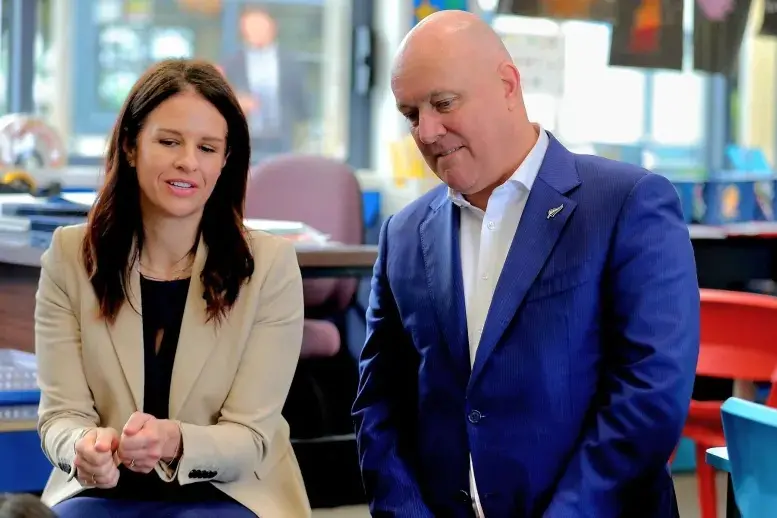
Education Minister Erica Stanford, who had been tasked with leading the work on the ban, said the bill would bring New Zealand into line with other countries that were placing greater responsibility on tech companies to protect children online.
"The bill places legal obligations on platforms. No penalties are proposed for children, their parents or caregivers," Stanford said.
"It doesn't just introduce a minimum age requirement. It creates an enduring framework that can evolve alongside technology and holds platforms responsible for understanding and reducing the risks they create for children."
Act and NZ First have invoked the 'agree to disagree clause', meaning National will need Labour's support to get the bill past its first reading.
Act leader David Seymour said protecting children online was serious, but disagreed with National's approach.
"Unfortunately, the National Party have hitched their wagon to a terrible solution. The ban they propose won't work, and the side effects will leave us work off."
An NZ First spokesperson confirmed the party also opposed the bill.
Even Labour has indicated it may not support the bill, releasing a letter written by its science and technology spokesperson Reuben Davidson to Stanford.
The letter - which Davidson wrote on Friday - said there were still some matters Labour wanted addressed before it could offer its support.
"I want to be clear that we take this legislation very seriously. The safety of young people in Aotearoa New Zealand is at stake, and the risks they face in increasingly complex online environments are significant. It is critically important that this legislation is in the best possible shape at first reading to ensure it provides a robust safety net for those who need it most," he wrote.
Among the 79 things Labour was asking were the extent of consultation with children and young people on the bill, how a social media operator could show it has complied, whether the government would publish a full privacy impact assessment, and how the penalties would be enforced.
Davidson also wanted the whole Labour caucus to have access to the bill before deciding whether it could support it.
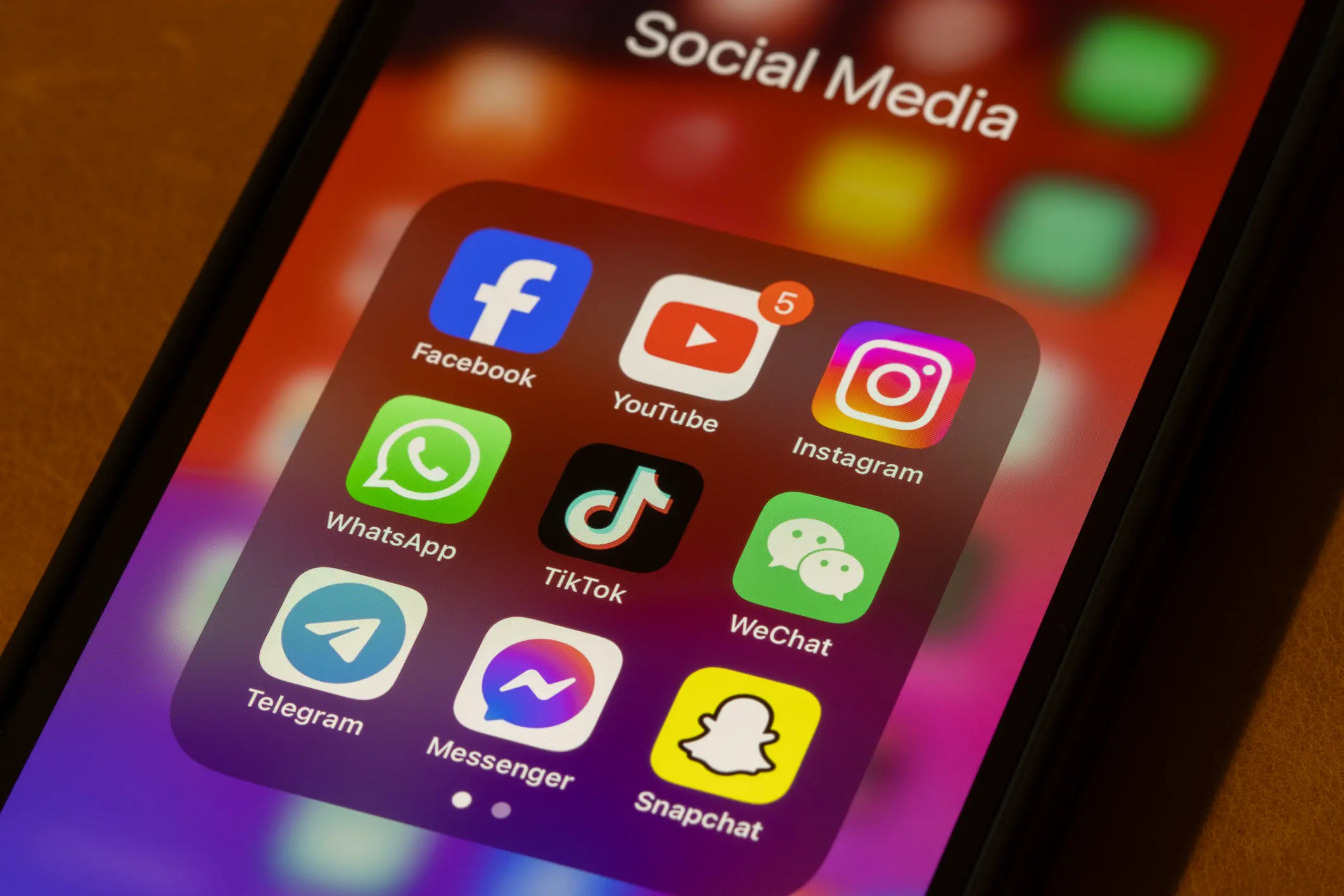
The bill would require "high-risk" platforms, such as Instagram, TikTok, Snapchat, YouTube, X, and Facebook, to take "reasonable steps" to check users were over the age of 16.
The reasonable steps included using existing account information, facial age estimation, digital ID services, and formal ID.
Messaging apps such as WhatsApp or Discord, and online games like Roblox, are not included in the bill.
AI chatbots that are primarily for productivity, such as ChatGPT and Gemini, are also out of scope, but social AI companions are covered by the ban.
Platforms would also be required to regularly assess the risks they posed, and report on how those risks were being identified and reduced.
A factsheet released by the government said those risks included included illegal content, harmful content (such as grooming, cyberbullying, harassment, and AI deepfakes), advertising and behavioural profiling, and service design and function.
The regulator, which will be established within the Department of Internal Affairs, will be able to monitor, investigate and enforce compliance.
Its tools would range from simply gathering information or auditing the age assurance technology used by tech companies, all the way up to geo-blocking or criminal penalties.
A ban on VPNs is not in the legislation.
New Zealand First and ACT have previously voiced their opposition to the bill, and National have made overtures to Labour to get its support.
Prime Minister Christopher Luxon said parents did have a role to play in monitoring what social media platform their children were on, but so did social media companies.
"Social media is exposing them to harmful content, addictive technology and pressures they are not equipped to deal with and it's affecting their family life, mental health, sleep, and education," he said.
