
PHOTO
The person who leaked a video of an Education Ministry official apparently attempting to subvert the Official Information Act (OIA) claims it was not an isolated incident.
The ministry insider, who RNZ has agreed not to identify, also revealed that they and other ministry staff were repeatedly asked to delete the word "Aotearoa" and other Māori terms from draft curriculums - but the instructions were deliberately verbal and never put into writing.
The person said they were speaking out because they had "had a gutsful".
"I was just so over the dishonesty and the toxicity of the workplace," they said.
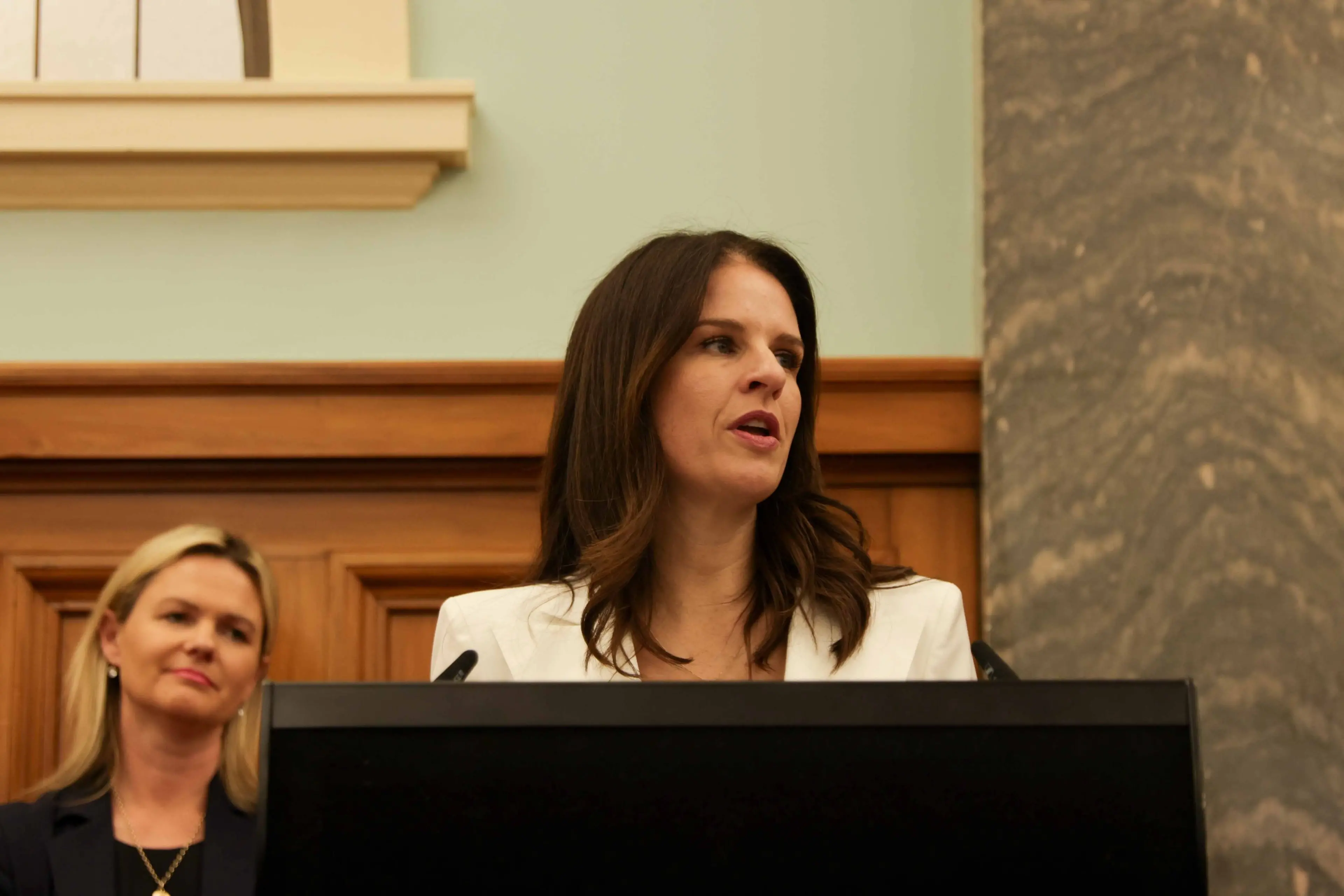
The Education Ministry did not address the claims directly in a response to RNZ but Education Minister Erica Stanford said the source of the information was ideologically-driven.
Stanford said there had been no attempts to circumvent the OIA and denied Māori words were reduced in the curriculum.
"We considered Article 3 of the Treaty throughout the process of updating the curriculum ... as a result, there is vastly more Māori content across the refreshed curriculum," she said in a statement.
The claims are the latest in a series of leaks from the Education Ministry, many of them to RNZ, in the past couple of years.
They have included internal documents and emails and Budget-sensitive information - the latter prompting an urgent injunction and an investigation.
The person behind the latest revelations told RNZ the video recorded last week was not the first time staff had been instructed not to write things down, it happened about six or seven times a year, but it was one of the most brazen.
"It was probably worded the worst, but the others have been a bit more subtle and more careful," they said.
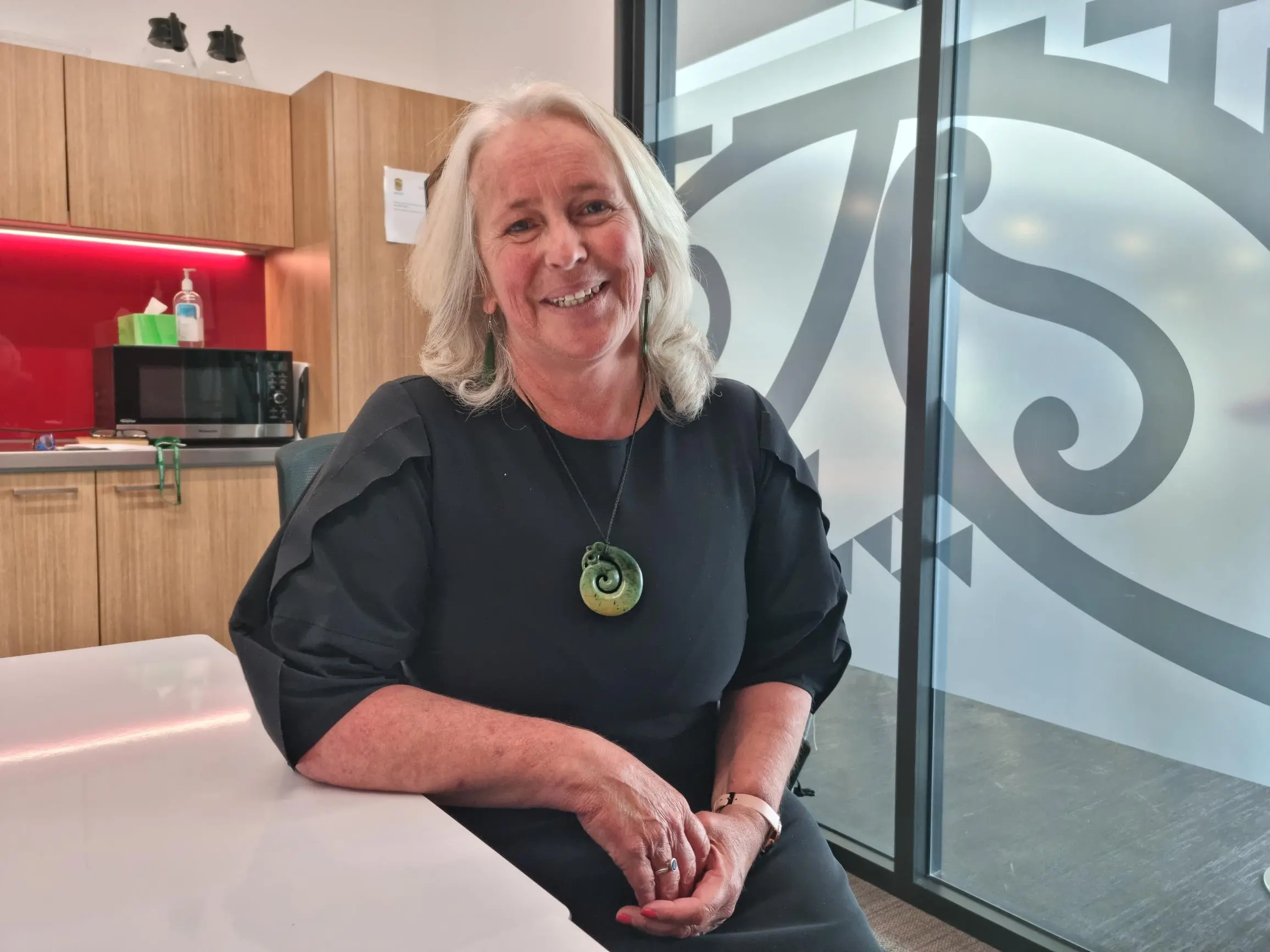
The footage originally given to the New Zealand Herald and later obtained by RNZ showed senior Ministry of Education official Catherine Law telling staff not to put in writing that they were responding to feedback from the Education Minister's office, reminding them it was "OIA-able" - referencing the Official Information Act.
"What we do not need is anything in response in writing that shows that this stuff has gone backwards and forwards between them and us," Law said.
"It's just really important.
"As far as anyone's concerned it's just feedback from me."
Law was seconded from her role as principal of Avonside Girls' High School to lead work on the secondary school curriculum.
The person who provided the footage told RNZ: "There was 30-odd people on the meeting and to say, brazenly, 'this is not an official channel, it's not the official bags going across to the minister's office'...
"If it's not a formal process, then we shouldn't be doing it," they said.
They said some ministry leaders would often give verbal instructions after meetings with ministers and some liked to give the impression they were chummy with Stanford and their instructions therefore had to be followed.
They said senior leaders repeatedly asked staff verbally to make changes and refused to put their instructions in writing even when asked.
"Like changing ākonga into student or kaiako into teacher," the whistleblower said.
"Māori terminology like manaakitanga and kaitiakitanga - the number of times they've been in and out of the curriculum document is just ridiculous. It's wasting millions of dollars of work with all of this roundabout, in-and-out, not making your mind up."
They confirmed that "Aotearoa" - which RNZ had observed was not used once as a synonym for New Zealand in any of the final curriculum documents - had been deliberately removed.
They said the term "Aotearoa New Zealand" was used by writers as the default term for this country, but proofreaders and educators were later told to remove it unless it was part of a name.
"I think there was a verbal explanation of: 'We can't legitimately say when that word was introduced and it's history, so we've got to take it out'," the insider said.
When RNZ queried the absence of the word last month it received the following response: "The curriculum is called The New Zealand Curriculum, and references within it generally use New Zealand. This approach has been taken to keep the terminology consistent throughout the document."
Though recently-published curriculums did include Māori terms, teachers last year warned there were fewer of them.
The ministry insider said in their opinion the curriculum was a white-washed, 1980s-style curriculum that sidelined brown people.
"They didn't have to swing to such a vastly Westernised, whitewash view. It's just too ideological. It's too extreme," they said.
They said ministry leaders had not attempted under previous governments to keep instructions from the minister's office off the official record, or refuse to put instructions to staff in writing.
Stanford said in a statement draft curriculum documents were supplied to her office as part of normal business.
"As part of the normal process, the seconded education staff member checks for spelling mistakes, duplication, plain language, any obvious errors and asks questions to ensure the papers are of an acceptable standard before I review them," she said.
"All of the processes we have followed comply with the OIA, there has been no attempts to circumvent the OIA."
Stanford said the insider's description of the curriculum demonstrated they were ideologically-driven.
"The updated curriculum strikes an appropriate balance between ensuring all young New Zealanders have access to clear, knowledge-rich learning and reflecting the unique history, languages, cultures, and identities of Aotearoa New Zealand," she said.
The Secretary for Education Ellen MacGregor-Reid said in statement: "We've been clear that the comments in the video don't meet the Ministry's expectations for transparency, record-keeping or compliance with the Official Information Act.
"We're addressing the specific matter directly and have initiated an internal review to provide assurance that this was an isolated incident."
She said the curriculum had to meet the needs of all young New Zealanders.
"That includes te reo Māori and Māori perspectives, alongside the language, knowledge and concepts that reflect the diverse students in our schools. The Ministry stands by its curriculum work and takes responsibility for the advice and material it produces.
"Working with ministers as advice and curriculum material are developed, and implementing government decisions, are normal parts of our role. That doesn't change the Ministry's responsibility for its advice or its record-keeping obligations.
"The action we're taking on the video sits alongside the completed independent review of the culture and working environment in Te Poutāhū, The Curriculum Centre, which I commissioned. We'll share the report with staff shortly."