
PHOTO
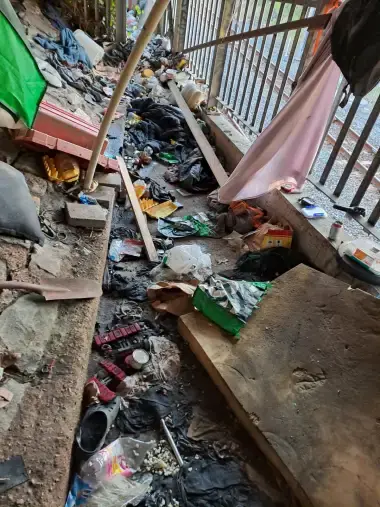
A homeless Auckland man who had a severe stroke while living under a bridge was later discharged from Auckland City Hospital in just a gown and taken to a nearby charity that provides support for people in hardship.
The stroke left him with slow speech and movement, needing a walker to get around.
Lifewise found housing for him, but is concerned someone with major ongoing health needs was brought to it at short notice, when it was not funded to provide wrap-around care.
Its outreach worker, Anthony Tina, said the man's belongings were piled up and scattered everywhere under a bridge, when he had a severe stroke. It was May and cold.
"A friend of his that is also a rough sleeper found him on his back in a state."
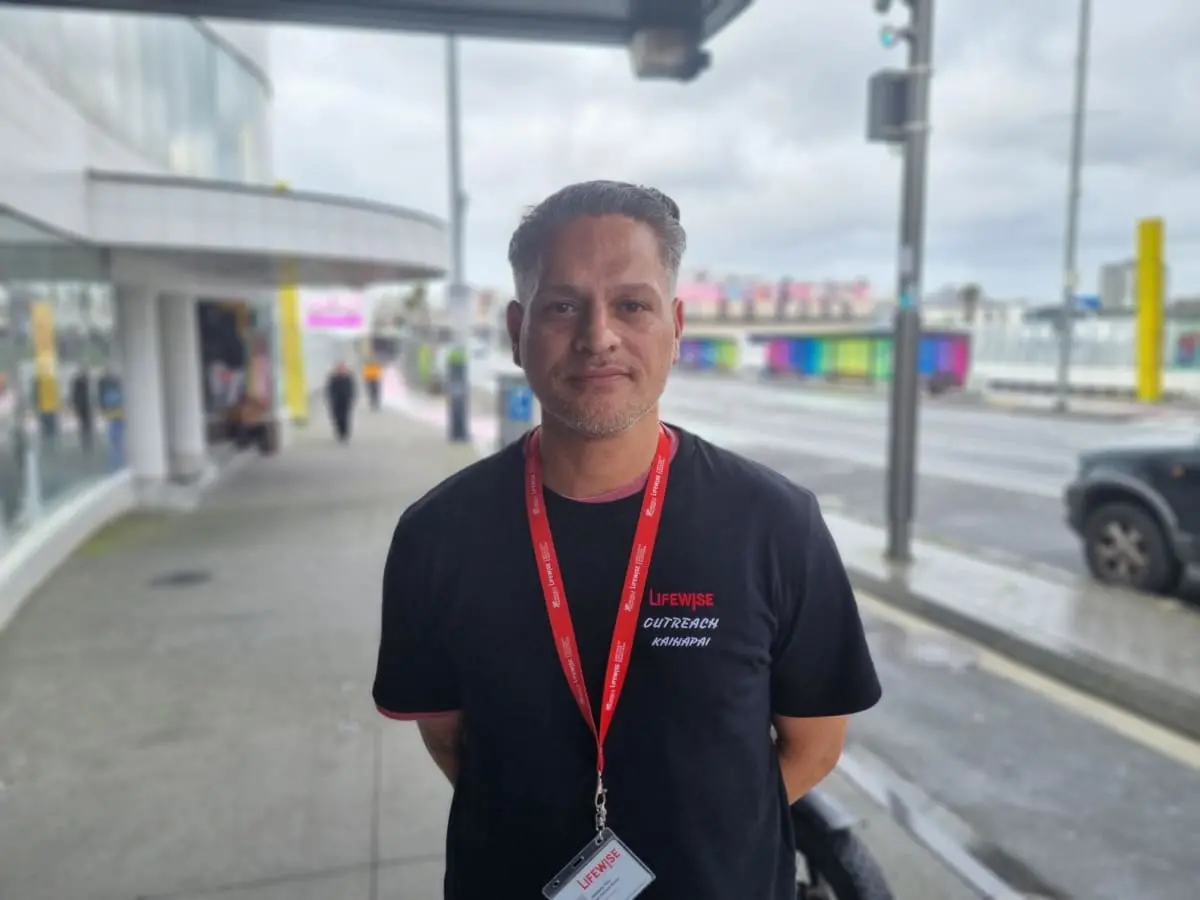
He said the friend called an ambulance and the man who is in his 50s was taken to Auckland City Hospital, where he stayed until he was well enough to be discharged.
But Tina said the man refused to go to respite care and the hospital's social worker team contacted Lifewise asking for help to house him.
After a phone call, they brought him to Merge Cafe in his hospital gown on a Friday afternoon, one hour before closing.
"I didn't realise the true reality of the man's condition until he presented with his social worker that day, how serious this really was," Tina said.
"He couldn't speak properly, very slurred in his speech, his movements were very slow. He had two walkers with him."
Tina said it was outside Lifewise's scope, but he took him to the Ministry of Social Development (MSD) office in an Uber because he needed urgent funds for housing.
"His two A-frame zimmers in the trunk and off to WINZ, MSD Queen Street we go."
Tina said if he was not able to find accessible housing at short notice, he was prepared to take the man home.
"I'd already worked out in my mind what I was going to say to my partner… it was cold, it was seriously cold in May, well where is he going to go?"
Tina said the Lifewise team worked together to find him a room at a boarding house and brought him food and blankets.
But within a week he’d had a fall and was again admitted to hospital.
The man then agreed to go to long-term housing in a retirement village where he receives wrap-around care.
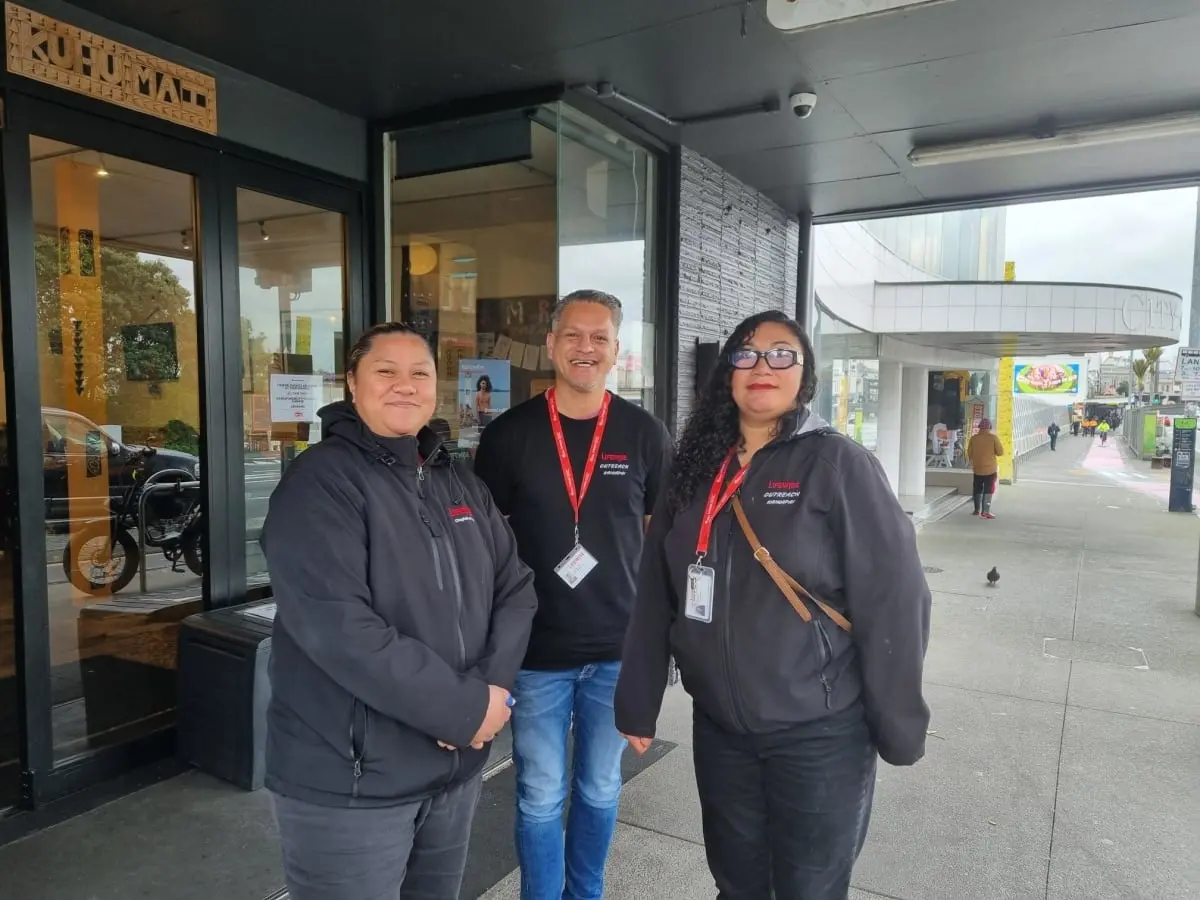
Lifewise Merge Cafe service manager Paula Bold-Wilson said the organisation did not have the resources to house and provide wraparound support for someone out of hospital with high needs.
"To think that it's okay to drop somebody off on a Friday afternoon in their hospital gown and the expectation that we can house them at that rapid speed, says to me that there's a bigger issue going on."
Housing advocates have been calling for for national data to be collected showing where people are discharged to after a hospital stay, concerned that boarding houses are not appropriate for people with complex health or addiction needs.
Health New Zealand group director of operations Mike Shepherd said it was responsible for meeting the health-related needs of its patients.
He said when patients with housing issues were discharged, Health New Zealand social workers contacted agencies such as MSD, Kāinga Ora, community housing providers, and non-government organisations to help identify appropriate accommodation and support options.
"We encourage people who require assistance with housing or living support to seek help from relevant government or community agencies," Shepherd said.
"Where appropriate, health social workers support patients and whānau by connecting them with community and government agencies that can assist with housing and living support."
He said that generally, discharge decisions were based on an individual patient's clinical needs and their other circumstances.
Health NZ said in Auckland, programmes such as Rapua Te Āhuru Mōwai supported some people who were homeless or at risk of homelessness to transition from inpatient care into stable housing with wrap-around support.
Paula Bold-Wilson said Lifewise was not funded to provide such ongoing support.
"Our job is to take someone from the streets and put them into housing, it's not provide all the healthcare and take them to the doctors and get them to the dentist and all that kind of stuff. I don't want to make an assumption but I would say the DHB and Te Whatu Ora may have the resources to do that wraparound stuff."
She said it needed to be made clear who was funded to help homeless patients with high health needs when they were discharged.
