
PHOTO
Labour says it will scrap the controversial Disability Support Services Bill if it gets into power at this year's election.
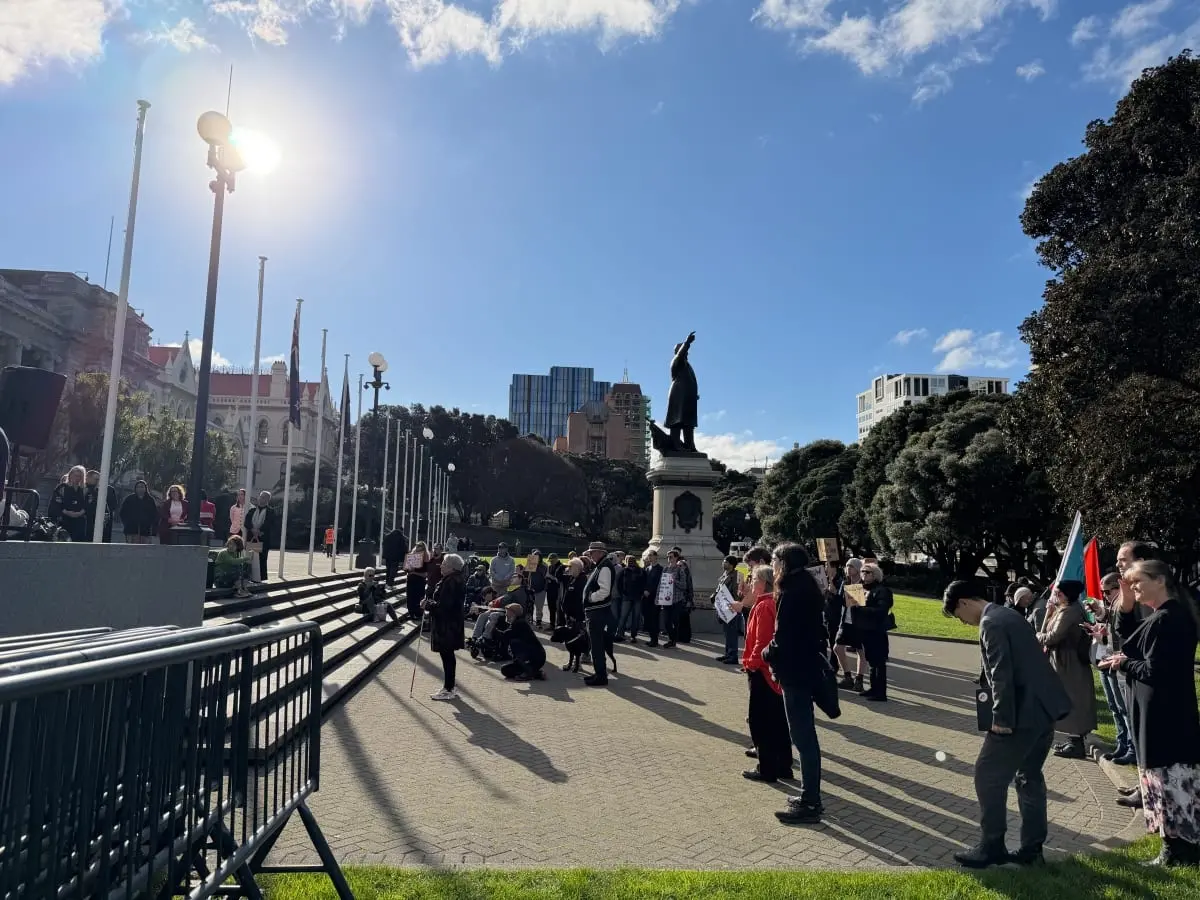
People with disabilities, carers and advocates gathered at Parliament today to hand over a petition against the bill.
Organised by New Plymouth mother and disability carer Victoria Coleman, the petition garnered 16,458 signatures in five weeks.
The bill is currently before select committee, after public hearings began last week.
The community is concerned it will strip them of their rights and funding, despite Disability Issues Minister Louise Upston saying it won't change any current arrangements.
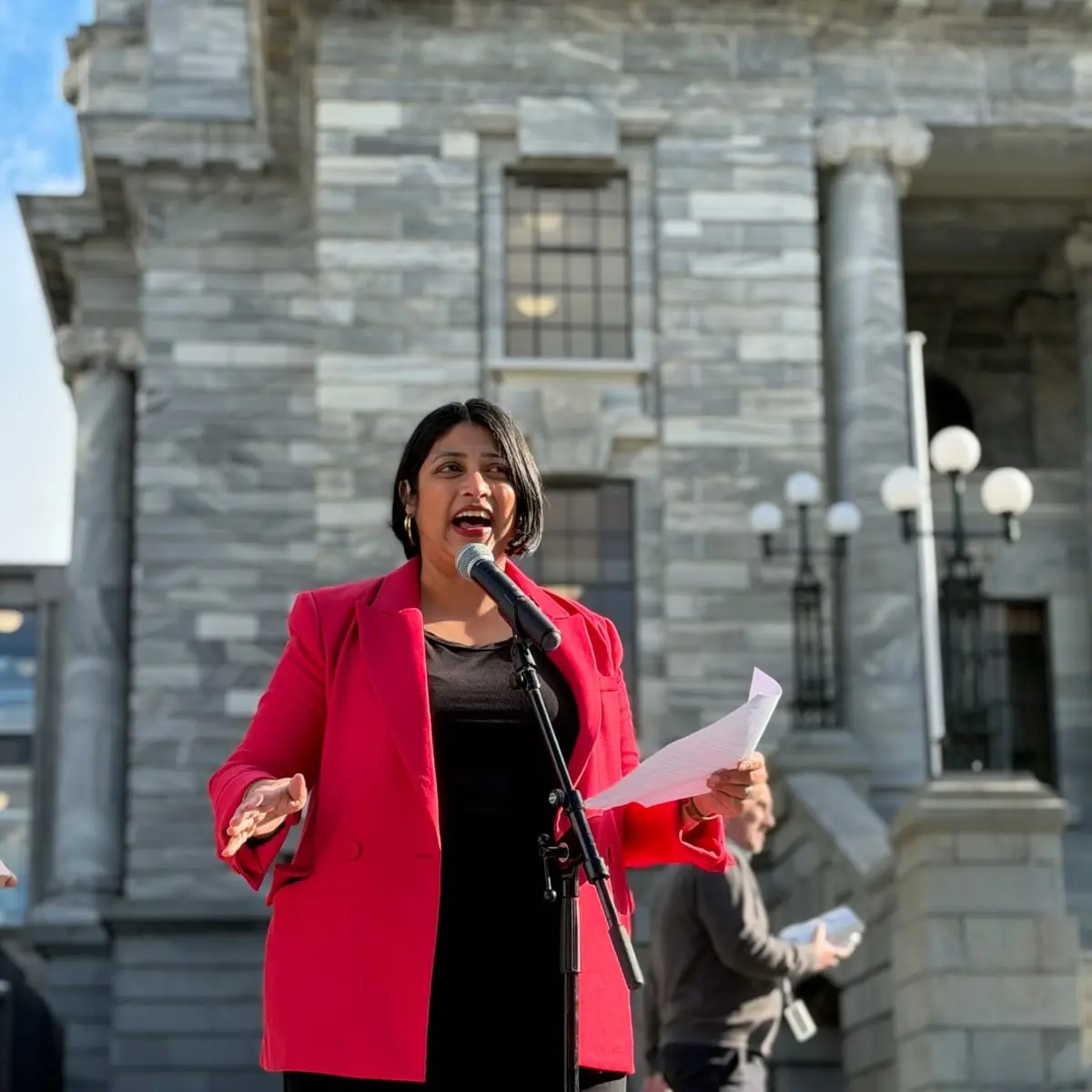
Labour's disability issues spokesperson Priyanca Radhakrishnan, speaking to the crowd gathered outside Parliament, called it a terrible bill and said Labour would get rid of it.
"Disability communities have long fought for self-determination through the principle of 'nothing about us without us', and it is hugely disappointing to see the government do the exact opposite again."
The bill ignored the reality many families faced, while stripping disabled people of the choice and control they deserved, she said.
"It also ignores complex circumstances, including abusive situations, potentially locking disabled people into unsafe arrangements.
"It also hands the Minister sweeping powers to cut disability support without proper safeguards, consultation or transparency.
"New Zealanders have already seen the harm those decisions can cause, and it should never be allowed to happen again."
ACT Party disability spokesperson Laura McClure told RNZ she, too, had heard people's concerns.
While she had been assured the intent of the bill was not to change current care arrangements, she understood people's concerns.
She accepted submitters were worried future Ministers or governments could use secondary legislation to increase the burden on families, and said that was a legitimate concern the select committee should look at.
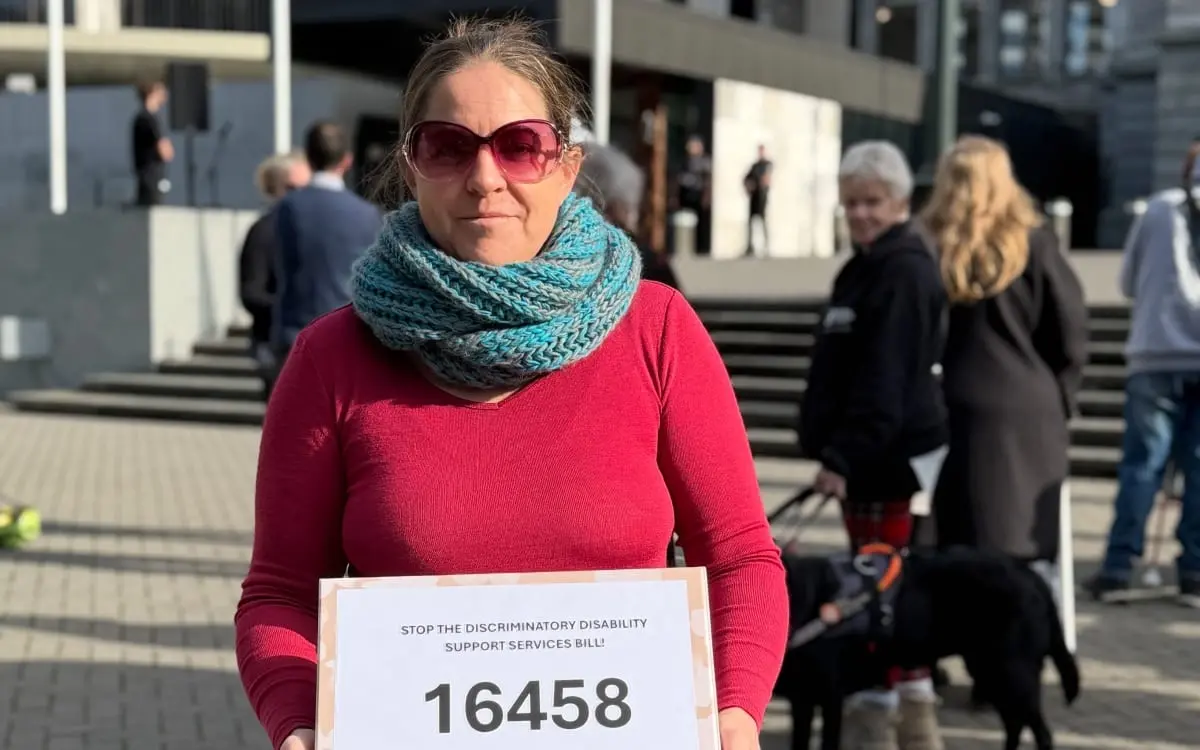
Outside Parliament, Tim Coleman, Victoria's husband, told RNZ he was worried about what the bill would mean for both his children - Levi, aged 7, who has a disability, and Millie, 5, who does not.
He worried what it would mean for Millie's future if the responsibility for Levi's care fell on his her, as his closest family member, after their parents were gone.
"She might have to quit her job and she might have to be the sole carer."
Katie Thomas, a mother of two boys and a fulltime carer for her older, teenaged son, agreed.
"Without the certainty of what my eldest son might be eligible for or ineligible for in the future, that puts a lot of burden on a six-year-old child to have to carry."
The cost of living was already high for families, she said.
In response to reassurances from the Minister that the intent of the bill was not to remove any resources, she said: "If the intent is not, why put it into the bill as it stands? [...] It's pretty explicit.
"Please go back to the drawing board and do a much better job - one that all of us can be proud of."
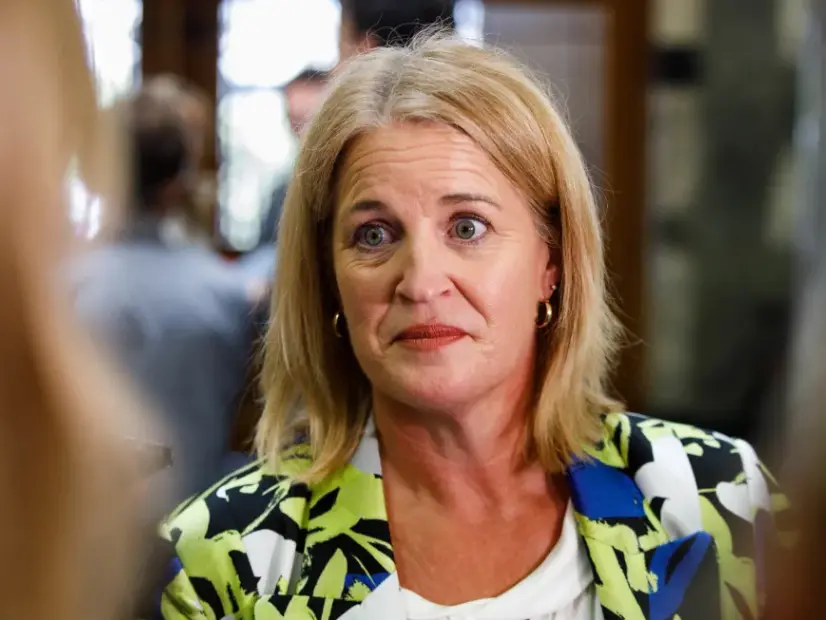
Upston said she was not able to meet protestors at Parliament today but had heard their concerns and had a clear message for them.
"The Disability Support Services Bill is all about how we improve and strengthen disability support services for them and their families.
"It doesn't change any entitlement, any allocation, doesn't change anything like means testing, and it's really concerning that there's a significant amount of misinformation out there about what the bill actually does."
People suggested eligibility for support was changing - and that was not true, she said.
"It is not going to make it any more difficult for any family tomorrow or in the months ahead as the bill passes than it is today."
It was put to Upston that the bill's opponents were concerned that it created a framework for potential eligibility changes in future.
She said there were currently no rules or guidelines around disability support funding.
"For the first time ever, we have taken into consideration the needs of family and carers. They are improvements. There's a lot more for us to do, but we need the bill as the foundations to strengthen from."
The general election will be held on November 7.
This story was first published on rnz.co.nz |  |