
PHOTO
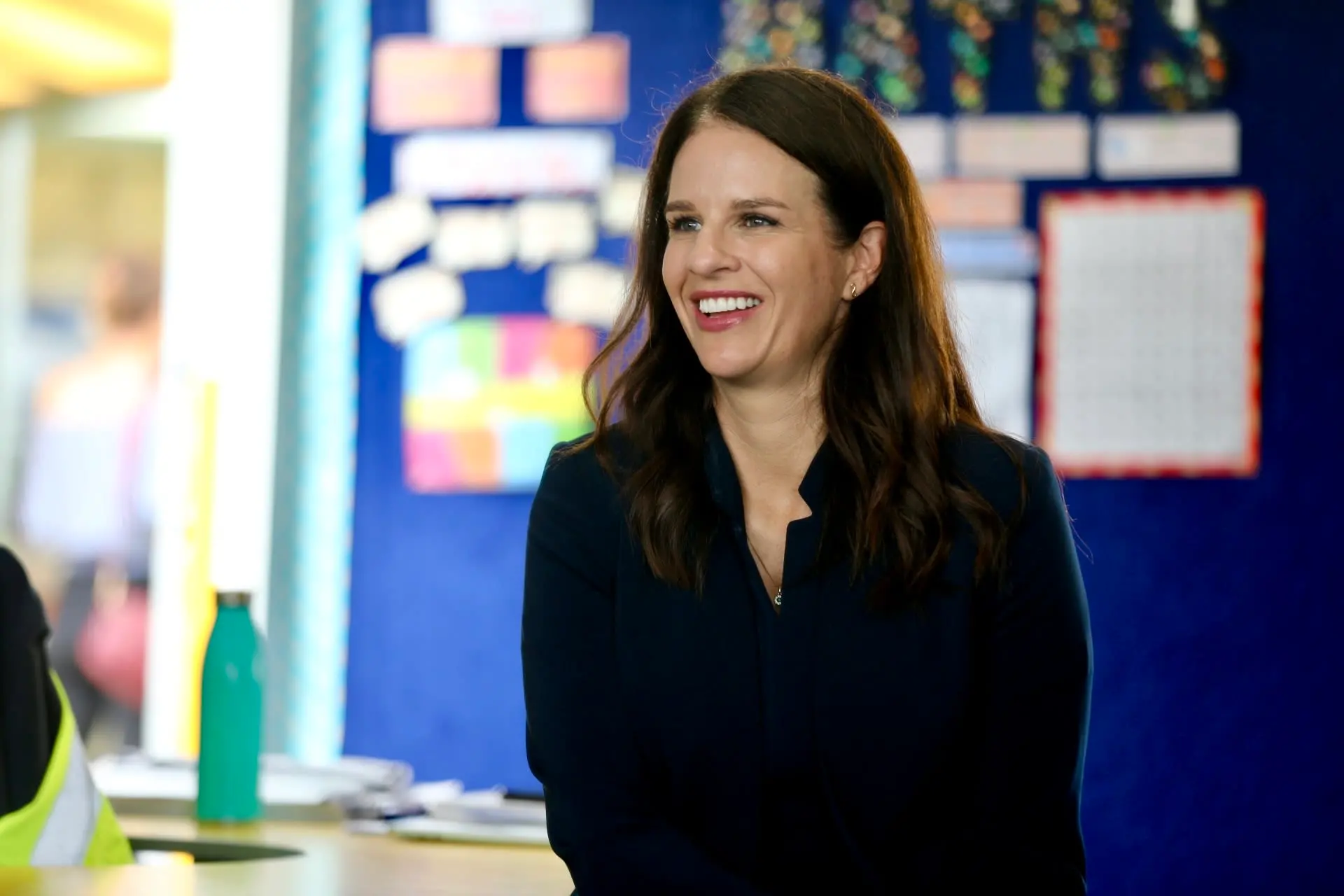
Education Minister Erica Stanford says she hopes to get a copy of the social media ban bill to Labour's caucus this week, after previously saying legal reasons were preventing her from doing so.
Stanford has been working on a government proposal to ban social media for under 16-year-olds. Her party National would need Labour's support, as coalition partners ACT and New Zealand First oppose the bill.
Labour's support is contingent on the caucus having a copy of it first, but so far MPs have only been able to see the bill in briefings and have not been able to take it away with them.
That looks set to change, with Stanford hoping to get final advice on whether it is possible on Tuesday.
A briefing on the bill was held last week for Labour's caucus to attend, which Stanford said only a handful of Labour MPs showed up to.
But Labour's science, technology and innovation spokesperson Reuben Davidson said what Labour really wanted was a copy.
The exact details on what is inside the bill are still under wraps, although Stanford has previously said it would include creating a regulator, and that a VPN ban was not in proposed legislation.
She said under normal circumstances the bill would be tabled, and then there would be a couple of weeks before its first reading, so there would ordinarily be plenty of time for Labour to look at the bill and decide whether or not to support it.
She said Davidson had sent another request for a copy of the bill on Tuesday morning, and she was exploring a "little loophole" that may mean she could get the bill and other documents to Labour soon.
"It's not that we don't want to, but we can't. But it looks like there's a way around it, I need to get a couple of sign-outs, we're just waiting on that final advice. So I'm hoping to hopefully get it to them in the next couple of days, as long as the advice is that we can."
Another briefing on the bill was set up last Thursday.
"We're trying to be really facilitative. We held that session last week and we invited all of their caucus members to come," Stanford said.
Asked how many MPs turned up, she replied "outside of Reuben, three".
"We held a session, they asked for the day, they asked for the time and we were very facilitative. We had the documents available to them and three of their caucus members turned up."
Davidson said it was "four other colleagues and a large number of staff", adding last week was a busy one, with extended Parliament sitting hours and it was hard to get everybody all in one place.
"What was offered was a briefing on the bill at relatively short notice, so it's difficult. You'll appreciate this is a busy place. People have a large number of other commitments and priorities.
"There were a number of staff sent along to attend on behalf of others who couldn't. But ultimately, at the end of that briefing, what we still don't have is the bill to consider as a caucus, and additionally, what we don't have is a copy of the regulatory impact statement, or of the Cabinet paper, or of the advice from the Office of the Privacy Commissioner."
Davidson said the more information and briefings Labour got on the bill, the better placed it was to have conversations about it.
Asked whether Stanford was working in good faith with Labour, Davidson said the "best faith" would be to provide a copy of the bill.
"We are still having conversations. We're still having engagement around this, myself and the minister. But ultimately, for caucus to reach a position on this bill, caucus needs to receive a copy of the bill so that they're able to discuss."
Labour leader Chris Hipkins said Stanford was asking Labour to support the bill to "compensate" for the fact New Zealand First and ACT were not, and so it was not unreasonable to ask for a copy.
"We're very open to working with the government, but if the government want our support they need to show us what they're going to do.
"I'm not going to have the situation where MPs one at a time have to traipse over to Erica Stanford's office to be given a confidential briefing that they're then not allowed to talk about.
"Ultimately, they either want our support or they don't.
