
PHOTO
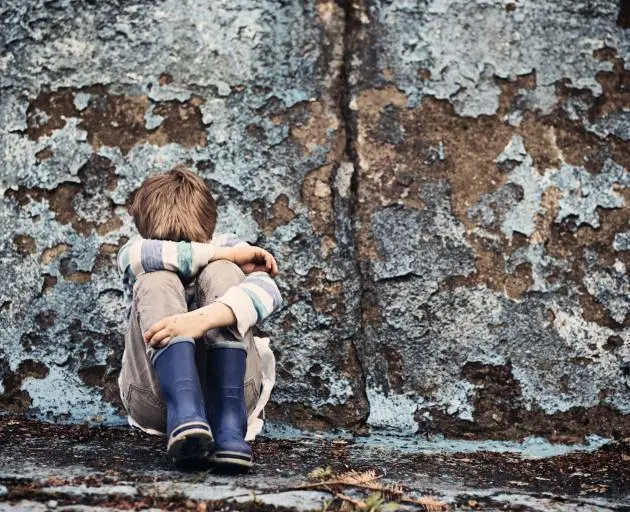
The lack of progress happening in New Zealand to reduce child poverty is both "hugely disappointing" and "unacceptable", the Children's Commissioner says.
Data released by Stats NZ on Wednesday for the year July 2024 to June 2025 showed one in seven children are living in hardship.
About 17,900 households were interviewed for the research.
The number of children that were recorded as living in material hardship was 14.3% - one in seven.
Material hardship in the year ended June 2025 did not show a statistically significant difference compared to 2024 and 2018.
But it did show a statistically significant increase compared to 2022.
The Children's Commissioner said the data shows there are 47,500 more children in material hardship in 2025 than there was in 2022 (169,300 compared to 121,800).
In the latest statistics, a child recorded as facing material hardship was recorded as being in a household going without seven or more of 18 necessities.
Those included being unable to pay for utilities on time, having to put up with feeling cold and putting off doctors visits.
That was a change to the year prior where the threshold for material hardship was six or more.
A total of 25.1 % of Māori children were recorded in material hardship which was not statistically different to the year prior.
For Pacific children, that figure was 31%, which was also statistically unchanged.
A total of 17.8 percent of children lived in households with less than half of the 2018 year's median equivalised disposable household income after housing costs were deducted.
That was not different to the year prior.
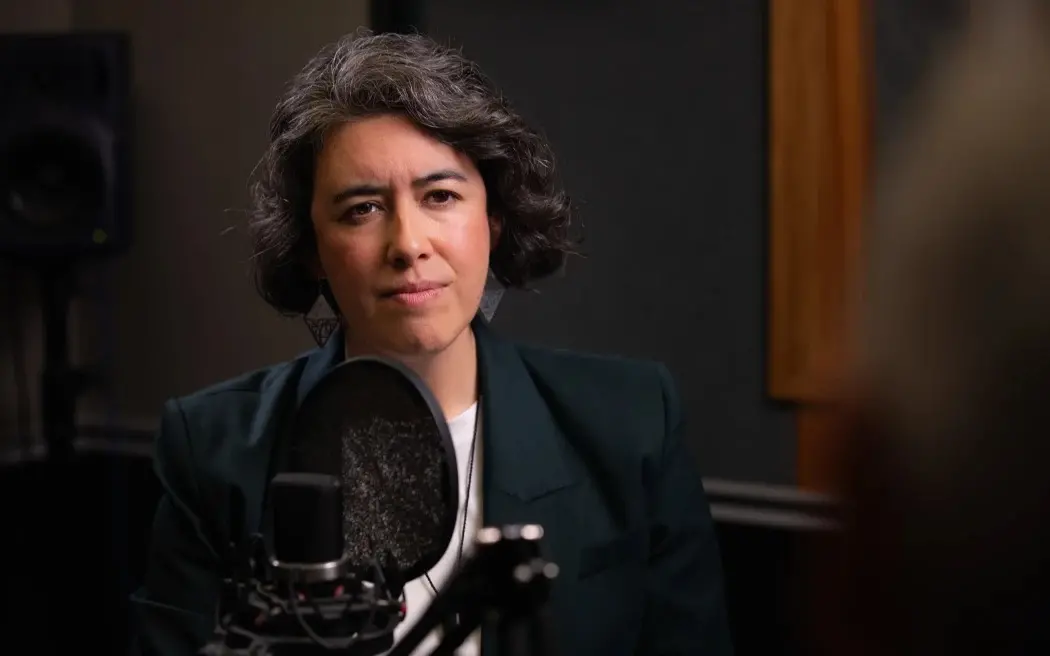
Children's Commissioner Claire Achmad said over the last year, there has been an increase of 10,000 children living in material hardship.
Putting that into practical terms, Eden Park could be filled three times with the amount of children now living in poverty.
She told RNZ's Midday Report programme that "if we home in on the numbers, we see that over the last year there has been an increase of about 10,000 more children living in material hardship.
"But I'm also looking at the bigger long term trend here. If we look back to 2022, since that time 47,500 more children are now in material hardship."
It was "pretty confronting" when you stopped and put that image in your mind, she said.
Children were struggling to survive, Achmad said, and that had to change.
In recent years, Achmad said the high cost of living had put pressure on households and wage rates were not keeping pace.
About half of families living in poverty had parents in work - but their wages weren't enough.
Achmad said the government - and successive governments - needed to make a "sustained commitment" to reducing child poverty and it needed to be made a "project of national significance".
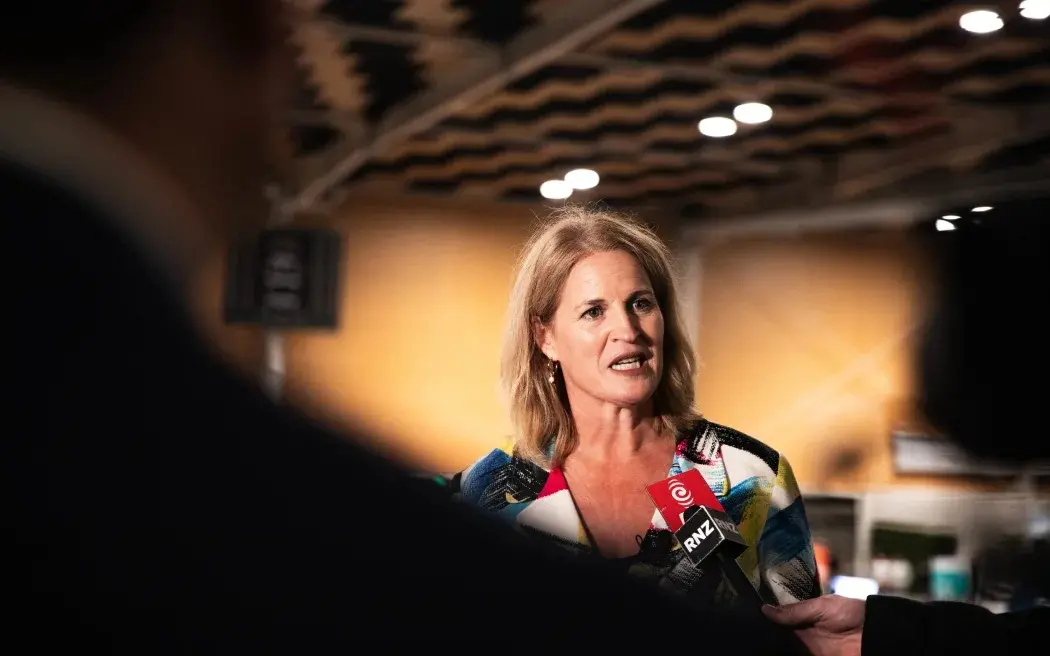
Minister for Child Poverty Reduction Louise Upston said reducing children's material hardship is a priority in the government's child and youth strategy.
"Our government is taking action to reduce child poverty by fixing the basics and building the future."
She said the just-released statistics show no statistically significant changes in the three primary child poverty measures compared to 2023/24.
"Our government has made a number of changes to improve the lives of Kiwi families, we've increased the in-work tax credit, lifted the threshold for Working for Families, provided working families with tax relief, reduced inflation and introduced FamilyBoost to make childcare more affordable.
"Unemployment is the last thing to come right after a recession and that is why our government is focused on growing the economy, reducing the number of people on the jobseeker benefit and reducing the number of children in benefit dependent households."
But Achmad said jobs needed to be paid at a rate that would get children out of poverty.
Children cannot wait for the economy to improve, she said.
They only got once chance at a childhood - and action was needed now.
