
PHOTO
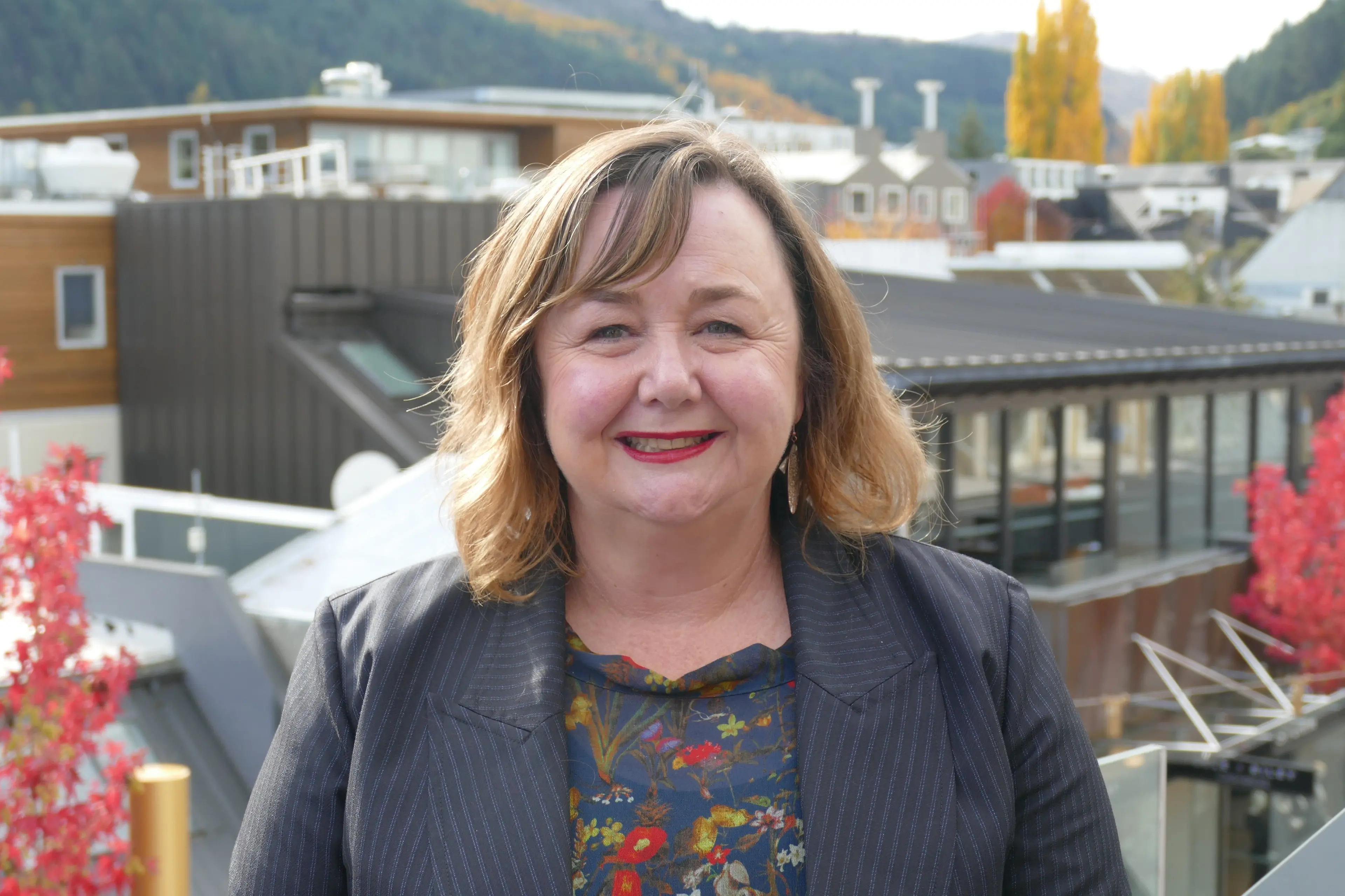
It is not unusual for a new government to repeal or amend the policies and direction of the previous administration, but front bencher Megan Woods says she has seen nothing like the incineration of Labour legislation which she has watched from the opposition benches over the past two years.
"I don’t think that we have ever seen a government come in and undo things for the sake of it because the other guys did it. We have seen new governments amend and repeal things — we certainly did — but the volume and speed at which that has been done is unprecedented.
"The new government’s first 100 days was mainly undoing stuff — that was their big plan."
Many of the policy changes engineered by the government have come in Dr Woods’ spokeswomanship areas of energy and resources. One which particularly gets her goat is what she called the "performative" reversal of the ban on exploration for oil and gas.
"Even before Labour brought in the ending of new exploration permits there hadn’t been a commercial offshore permit granted since the early 2000s.
"None of this is tackling the issues that New Zealanders are really worried about."
The government’s enthusiastic embracing of the mining industry also irks Woods. Not because she is anti-mining, rather that she has listened to too many late night debates about Resource Management Act reform where ministers and government backbenchers have claimed that Labour is.
"Labour has never had a blanket anti-mining perspective: we had started work on a critical minerals strategy," she said.
"My fear with fast tracking things like big mining projects is that you fail to build any social consensus around them: that’s what you do if you set up an antagonistic framework from the very beginning. I think a lot of mining companies know very well that, yes, they want to see some of the consenting stuff move faster but they also know that critical to their ability to operate is community support and a social licence.
"I think what the government is doing is trying to make a culture war out of the long-term future of some of our regional opportunities."
Dr Woods was chairwoman of Labour’s 2023 election campaign which, she readily admits, did not go according to plan. Labour ran headfirst into a countrywide mood for political change and endured a shellacking.
While many familiar faces from the last Labour government will be back front and centre in the 2026 campaign, the party embarks on election year with a new finance spokeswoman, Barbara Edmonds and a new capital gains tax policy to sell to the electorate.
After tasting defeat in 2023 party leader Chris Hipkins promised to reflect on why Labour lost and listen to what New Zealanders wanted from the party he still heads.
That was exactly what had happened, Dr Woods said.
"Labour gave a commitment that we would go away and look at our policies and not just say ‘re-elect us in 2026 to do what we were doing in 2023’.
"We embarked on a solid policy framing process, fashioning policies that were fit for purpose for 2026 ... we know that we need to have policies that talk to New Zealanders about how they can manage their household budget, pay their bills, put food on the table, have secure housing, that there is some certainty about their jobs and health, we know, is a big concern for may New Zealanders.
"You will hear a lot about real action on the cost of living in 2026 and that is where Labour will be focusing its attention."
Announcing tax policy early was designed to give certainty about how Labour could afford to pay for the cost of living pledges that were still to come Dr Woods said.
Like most election observers, Dr Woods is predicting a close contest in 2026. A self-confessed data geek, she termed the 2020 and 2023 elections as "high-tide" elections, feeling that the closely-run 2017 election — in which, lest we forget, New Zealand First held the balance of power and opted to back Labour — was a more likely predictor of how 2026 would unfold.
Although it was a political truism, for Labour to win it needed turnout to be high, Dr Woods said.
"I was doorknocking in Wigram over the weekend and people would say ‘yeah I will vote for Labour this time’ and you ask them who did you vote for last time and the answer, time and time again, was ‘I didn’t’.
"There were our voters, these were traditional Labour voters."
It goes without saying, for Labour to have a hope in 2026, it will need to motivate those people not to stay at home again.