
PHOTO
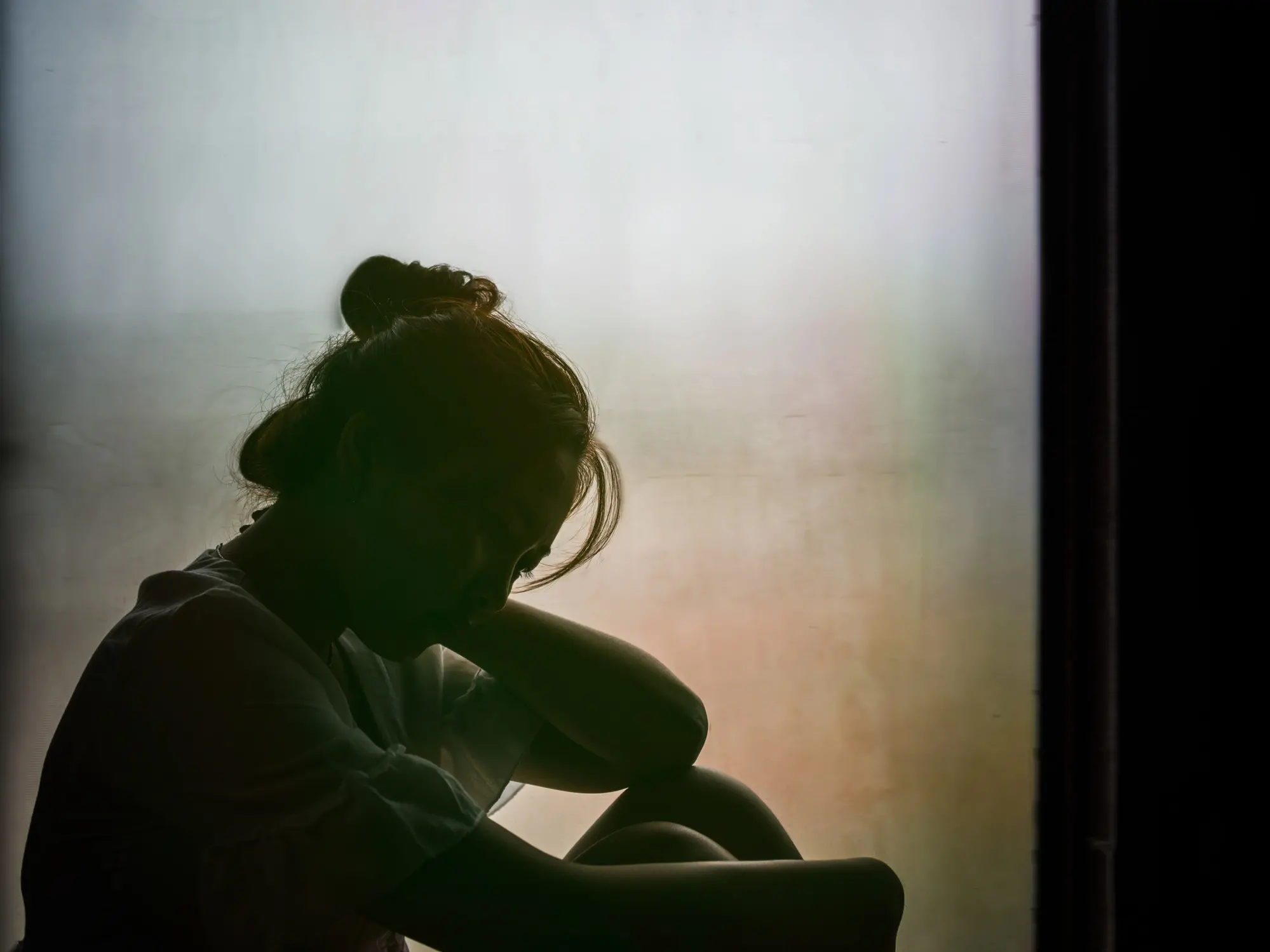
Hundreds of sexual abuse survivors could soon lose access to counselling.
The Ministry of Social Development will end its contracts with more than a dozen support services in June, effectively cutting $1.7 million from their funding.
The money will be redirected to fund a sexual violence prevention initiative, but providers say it's robbing Peter to pay Paul.
Alice* said the support and counselling she's received from Wellington Rape Crisis, a clinic for victims of sexual abuse, had been a fundamental part of her healing, but as a migrant abused overseas, her care wasn't covered by ACC.
Until now, she had relied on the clinic's contract with the social development ministry, which had funded services outside ACC coverage.
After that contract ends on July 1, she could lose access.
"As a migrant woman, with a history of sexual abuse that happened in my own country, I'm kicked out of the system," she said.
"I'm probably not the only person who goes through that, because as migrants, we carry our history when we migrate and, for some of them, it's not pretty."
The end of MSD's contracts with Wellington Rape Crisis and 12 other clinics was announced last year, as part of Budget 2025.
The contracts were scheduled to end in December, but the ministry later extended them by another six months.
That gave providers like HELP Auckland time to seek alternative funding, but executive director Kathryn McPhillips said there was little to be found.
"It certainly meant we had a longer runway to go out to philanthropic trusts [to ask for help], but unfortunately the money isn't necessarily out there," she said. "We've had one very generous foundation give us money to ease the transition, but they can't give that extra funding in an ongoing way."
She estimated the cuts meant HELP Auckland would see 150 fewer people each year.
"We are turning more people away and the real problem with that is there's nowhere to refer them to," she said. "I think government might have some idealised version of communities, that there are endless other counselling opportunities for people, and there really are not."
Alice said the kind of support she received couldn't be found elsewhere.
"I wouldn't have been able to get any of the specific support from any other agency," she said. "The analysis of the dynamics behind sexual abuse, because it all has to do with patriarchy, has to do with religion and it needs to be a process of deconstructing the shame.
"All of that would not usually be available through any other counselling service."
HELP Auckland client Astrid* said the counselling provided vital emotional support during a turbulent time in her life.
"HELP counselling services are not a 'nice to have' - they are essential," she said.
"I could not have got through the harrowing family court process that gaslights women and minimises the sexual harm caused, without the weekly, steadfast, experienced, non-judgmental and empathetic support provided by the counselling professionals at HELP."
"Please do not leave women and children going through probably the most difficult and vulnerable time of their lives, without the emotional support they deserve."
The Ministry of Social Development said the funding would be redirected into a Sexual Violence Prevention initiative running from July 1 through to June 30 next year.
"The new initiative will support parents and caregivers with training and education, so they can identify warning signs and take appropriate action to prevent child sexual abuse," spokesperson Mark Henderson said.
Kathryn McPhillips said the initiative was a great idea, but shouldn't come at the expense of survivors.
"To take that money for prevention out of response services doesn't make any sense to us," she said. "The most sexual violence harm is done where it's patterns of revictimisation across generations.
"To stop that level of sexual violence, you must do the work with people who perpetrate it and the people who are hurt by it."
Kyla Rayner, the head of Wellington Rape Crisis and chair of TOAH-NNEST - a network of similar organisations - said the loss of the contracts dealt a massive blow to the sector.
"We've got a long history of experiencing chronic underfunding, so collectively in the sector, we do think this will set us back 20-30 years in the way that we've been trying to provide care where demand is constantly being outstripped."
Rayner hoped the next government would take a different stance.
"That's what we will be looking out for in the lead-up to the election - who will stand with survivors? Who will stand with the sector and really sit with a massive crisis that New Zealand and, ultimately, its young people especially are facing?"
The loss of funding came shortly after the National Party announced a justice policy aimed at
serving harsher sentences to sexual offenders.
Rayner said the policy was good, but represented the inconsistency in the government's approach to sexual abuse.
"You cannot claim to stand with survivors in the courtroom, while withdrawing support in their communities, which is what will enable them to go on, and live full and thriving lives."
RNZ has approached National justice spokesperson Paul Goldsmith for comment.
Alice worried that, without support for victims, the cycle of abuse would continue into future generations.
"I'm not worried about me, I'm more worried about what's going to happen to all those children, women and vulnerable people that are going to keep being victims of this type of violence," she said. "What type of support are they going to get?"
The Ministry of Social Development said the contracts being cut formed only 4 percent of its overall sexual violence funding.
"MSD funds a range of specialist sexual violence services to support victims/survivors and to prevent sexual violence, spending $42.7m annually on this work," Henderson said.
"A range of support services continue to be available, around the country, for people impacted by family and sexual violence."
"We understand these services are valuable for those who use them and we appreciate the commitment of the organisations delivering them."
*Alice and Astrid are not their real names.
This story was first published on rnz.co.nz |  |