
PHOTO
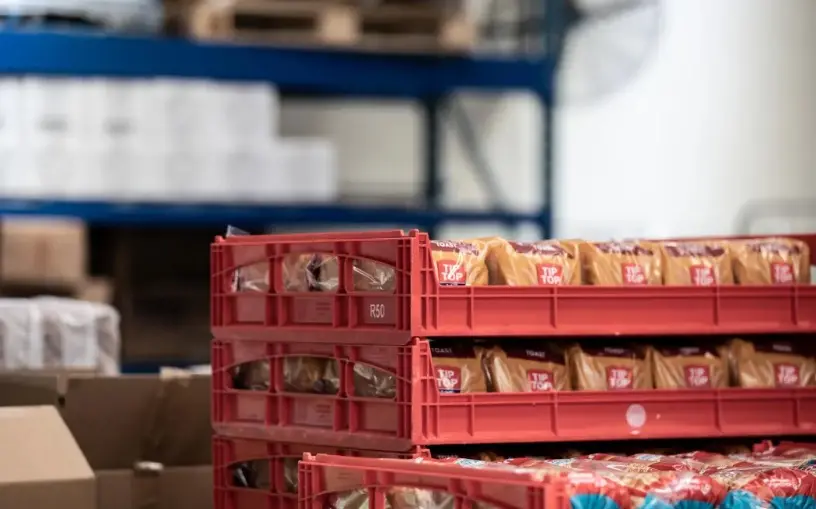
More food banks will "undoubtedly" close after government funding dries up next year, the Salvation Army says, despite a Budget commitment to keep pumping some money into the system.
Budget 2026 introduced $8 million annually in baseline funding to pay for food distribution - that is, collecting surplus and donated food, and delivering it to places like food banks, which is mainly done by the Food Network.
It also gave food banks themselves $7m in 2026/27, but no more after that.
The government said the ongoing annual funding gave the sector much-needed certainty.
The Salvation Army's food security manager, Sonya Cameron, said that was "brilliant" and congratulated the government for delivering what the sector had been calling for. But food banks would still close if they did not receive similar ongoing support.
The money they had received in successive Budgets for the last five years had always been time-limited and helped pay for staff, infrastructure and extra food if it was needed.
It would be tough for food banks to continue without it, given demand was up to 50% higher than pre-pandemic levels and "certainly doesn't seem to be going down," Cameron said.
With no more money budgeted after June next year, she said, "We'll undoubtedly see other local community food providers close."
Smaller organisations were less likely to survive, and those closures would put pressure on the remaining organisations, Cameron believed.
"We'd like to see that the government is actually taking seriously food insecurity, and trying to build a more resilient food system."
Social Development Minister Louise Upston said she was pleased that in "a fiscally and economically challenged environment" the government had established baseline funding for the Food Secure Communities (FSC) programme.
"Until now, funding for FSC and also KickStart Breakfast programmes had been time-limited, creating annual uncertainty."
The KickStart Breakfast programme is a partnership between the government, Fonterra, Sanitarium and schools, which feeds about 46,000 children each year. It received $1.5 million annually.
Upston said the Ministry of Social Development would continue to monitor food bank demand throughout 2026/27.
Green Party co-leader Marama Davidson said no one wanted to line up for kai - but many whānau relied on that support.
"[The government] have chosen to leave families even more desperate at a time when they need it the most."
Davidson acknowledged that successive governments had not committed to ongoing funding.
"We have to call that out. We need some guarantee ... it should be a basic agreement, and a basic understanding of this country, that people should not starve."
Davidson said the Greens would push for families to have "the income, the dignity that they deserve", but in the meantime, food banks were the only option for some.
This story was first published on rnz.co.nz |  |