
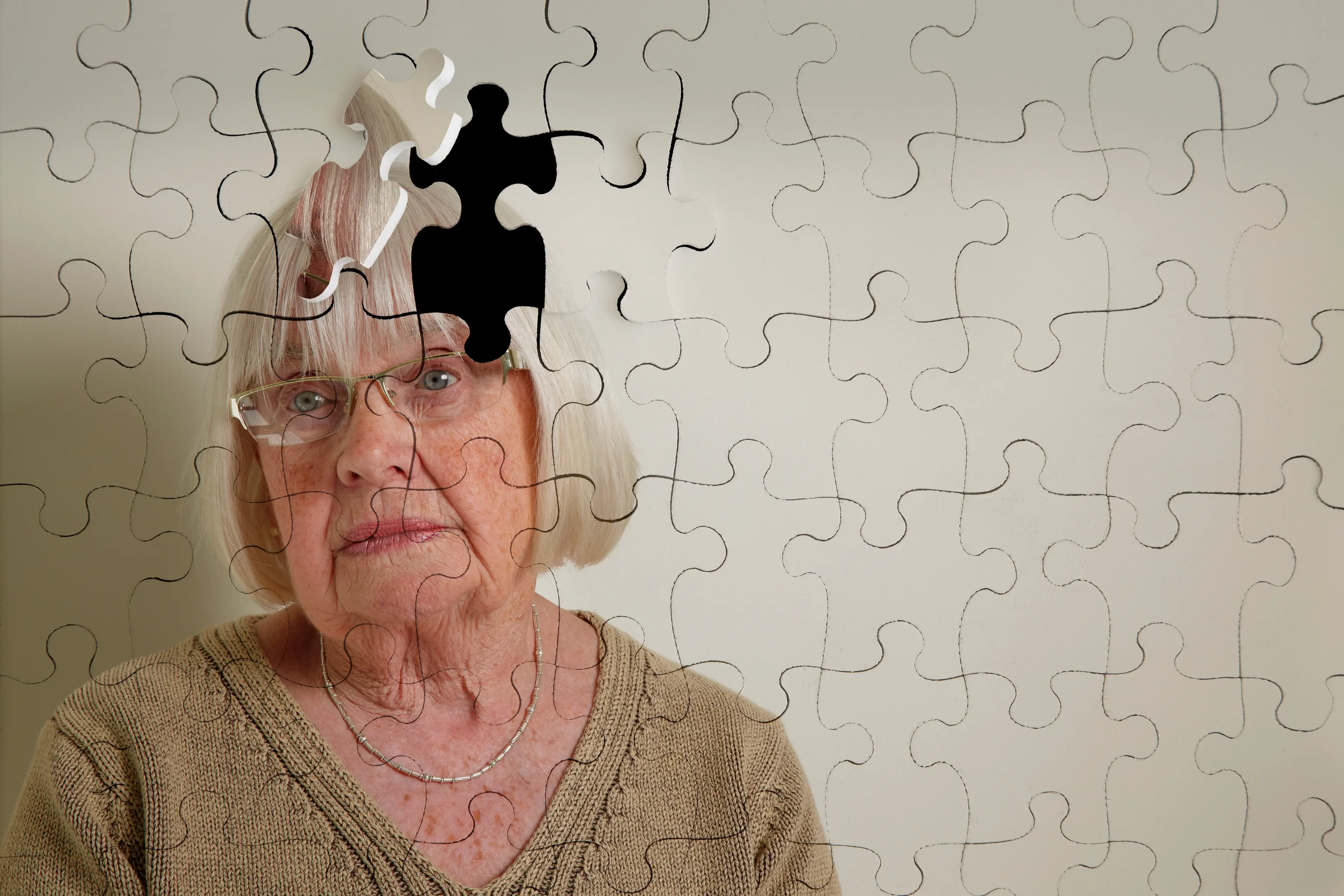
PHOTO
There is a building in Dunedin I avoid driving past, because it makes me feel sick.
My mother lives in that locked building, not because she is a criminal, but because she has Alzheimer’s. My father reluctantly gave up caring for her five years ago, several years past the point where she knew who he was. Tough after many decades of marriage.
The disease was many years in the making, and at first, the signs were easy to ignore. The slight forgetfulness turned into not remembering a grandchild’s name, and the slight confusion turned into not being able to find her way home after going for her usual short walk.
Then she lost the ability to drive, cook food, and use the washing machine. She started wandering at night, and when she became incontinent my father would find the pads in strange places, including the freezer. She would ask the same questions a hundred times a day and drive him crazy.
When she first moved into the resthome, she would wander into other residents’ rooms, put on their clothes and lie in their beds. She would pee on the floor.
She has now lost the ability to speak, to walk, or to eat independently.
For the first few years I made myself visit her, but I had to stop. I became so distressed sitting in front of this person who looked like my mother, but who had no idea who I was.
I would cry, and she would grin at me with eyes empty of recognition of my face nor my emotion.
I would continue to cry for the rest of the day and imagine with horror myself sitting in her place in 25 years’ time — my husband and children visiting out of duty, and the memories of who I was slowly fading into the background.
It is becoming harder to remember mum for who she was – the woman with a sharp wit and strong opinions, who cooked Sunday dinners for the kids and grandkids, and volunteered in the community.
She would never have wanted this ending to her life. Her biggest fear was ``being put into a resthome’’ in her old age, and I remember her saying she would rather be shot than that happening to her.
The prospect of ending my life with Alzheimer’s is casting a shadow over my life. There is not a day I don’t think about it - every time I lose a word, forget a name, or forget why I just walked into a room, I wonder if it is early Alzheimer’s, and I feel that sick feeling.
No amount of reassurance that it is ‘just menopause’ settles the sick feeling.
I want to have a choice about at what point I die, should I develop dementia. I want a choice to die with dignity and the least pain for my family.
For me, life is no longer worth living when I do not recognise my loved ones. Past that, I am just a body, existing for no reason.
I have been making decisions for myself all my adult life, some decisions better than others, but always I have strived to live a life of independence and dignity. My death should reflect that, wherever possible.
We don’t treat death like it is the natural part of life that it is, but rather than as something ``bad’’ that should be avoided at all costs.
Prolonging life seems to be a moral imperative, perhaps a legacy of the ancient Hippocratic Oath still sworn by medical graduates. That oath made sense right up until the explosion of medical technology that can now keep bodies alive under conditions that would have killed us 100 years ago.
It is high time that the choice of when and how we die is passed from the medical profession to the people who inhabit the bodies, within a sound legal and ethical framework.
The current End of Life Choice Act is cruel in its limitations, excluding large numbers of people who live in pain and in circumstances they find intolerable.
I want the right to write a legally binding Living Will while I am still competent, which stipulates that I wish to receive an assisted dying procedure when, and if, I reach a point in a disease process where I no longer recognise my loved ones.
That may be an arbitrary point, but guidelines sitting alongside the legislation will specify subjective and objective measures to help in this process.
Just because it is not simple does not mean it should not be done.
There is nothing dystopian about this. It is simply about having a choice.
I should have a choice to end my life the way I have strived to live it: with dignity. Please.
- The author is a Dunedin counsellor. The ODT has chosen to anonymise the article for privacy reasons.