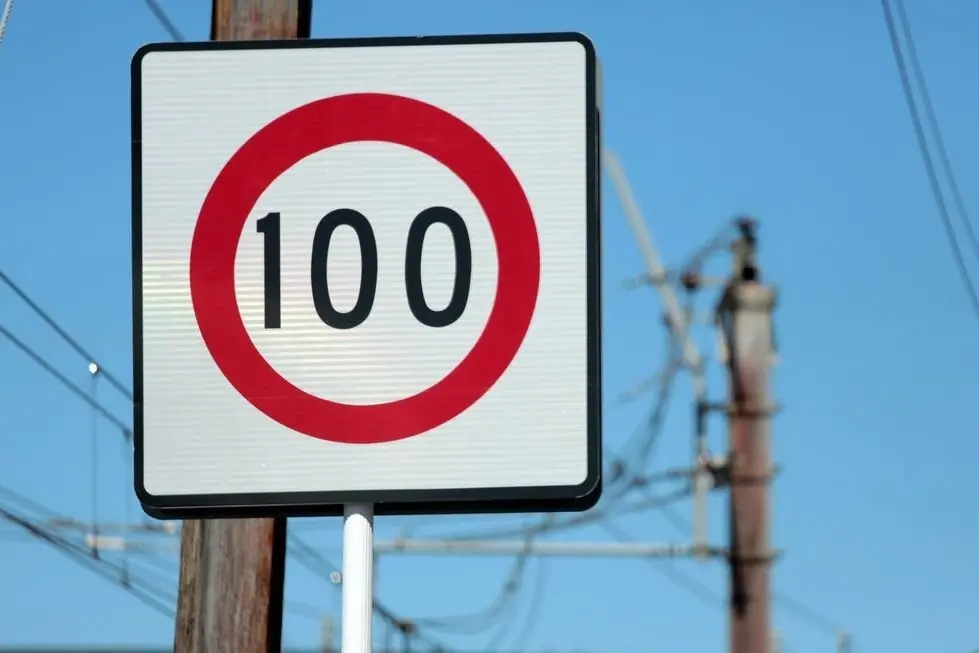
This is a call to everybody who wants everybody to slow the f… down around the Waitati corner on State Highway 1. You might have seen that the NZTA is proposing 6 speed reductions in the Otago Southland region. They include reductions in Roxburgh, Colac Bay, Aparima, Te Anau and Outram. The most important to me, unsurprisingly, is the speed reduction at the Waitati corner. The proposal is to reduce the speed limit from 100kmh to 80kmh. It is only for a short section of SH1, similar to the airport turn-off at Allanton. If you want to have a say go to the NZTA website and search for SH1 Waitati. I encourage you to do so because a submission in favour of the reduction is easy to do. The layout of the Waitati corner makes it fundamentally unsuited to a 100kmh speed limit. The road has only one lane in each direction with no median barrier to separate oncoming traffic which means any mistake or distraction has immediate and potentially severe consequences. The curve reduces driver visibility and sightlines and makes it difficult to anticipate hazards, pedestrians or turning vehicles. I use this part of the road every day to go to work and I am always anxious at the speed of traffic whichever direction I am traveling. That said, I am always most worried when I slow to turn from SH1 into Harvey St as traffic travelling at 100kmh heading south can easily lose control on that corner and wipe me out as I wait for it to pass before turning. It has been great that the buses stop in Waitati on Harvey St now. That alone has really helped with the protection of pedestrians, particularly young people using the buses for school. But that alone is clearly not enough given the two accidents already this year on that corner. Every kilometre of speed matters. At 100kmh, a driver’s stopping distance is about 100m on a dry road and far longer in wet or icy conditions, which is well beyond what the limited sightlines on this curve provides. A reduction to 80kmh reduces stopping distance to around 60m, giving drivers a far greater chance to react to unexpected events, like people crossing the road after buying milk at the shop. There have been some narrow misses in the last few years and it is great that accidents will become even less likely if the speed is reduced. A reduced speed limit is essential to improve safety and the suggested cost of $50,000 and 2 seconds for each drive is well worth the lives saved and property protected. Slow the f… down. That’s not a bad mantra to take into the rest of this election year. The velocity of change in the last few years has been pretty breakneck. Some would argue it’s a deliberate ploy to exhaust people into surrender. I might be one of those people. It is true that whether we are talking about political furies, climate upheaval, economic volatility, the coming of the robots or turbo-charged unemployment, many people are feeling completely worn out. Bad news seems to arrive before the last news has even been processed, stacking up like the dirty dishes you close the kitchen door on. The pace doesn’t just tire us physically, it also frays patience and chills empathy and compassion. We need empathy and compassion to think past the immediate task and look at what is happening around us. So we can’t rest up yet. There is still more big change for us to drive if we want our communities to do well and our kids to thrive, whether in our wee coastal hippie enclave or our wee island nation. Now is the time to be deliberate and co-operative rather than hectic and competitive. If we co-operate with one another, slowing down for those difficult corners, we will do better than when we battle each other to steal two seconds from our peers. When we choose co-operation over turmoil it means we intentionally slow down our reactions, listening more carefully, and therefore trust in our collective wisdom to build a future that our mokopuna deserve. That is an optimistic and warming thought in one of the coldest weeks of quite a bitter election year. Associate Prof Metiria Stanton Turei writes the Provocatively Reasonable column for the ODT. She is a law lecturer at the University of Otago and a former Green Party co-leader.