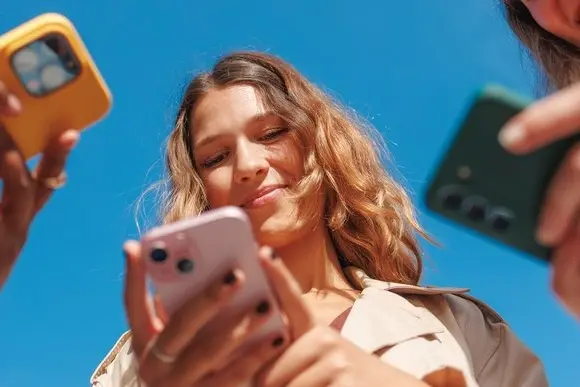
[Missing Credit][object Object] We all know the superficial problem. Get the family together for a special meal for the first time in ages and all the young people round the table are on their phones, not engaging. Then it gets worse. People walking along the footpath are staring at screens, necks down, making last second course corrections to avoid others. You look in the rear-vision mirror when you’re stopped at the traffic lights and the driver of the vehicle behind is obviously looking down at something rather than at the road ahead, creeping closer to your rear bumper. And children shutting themselves in their rooms for hours on end, becoming socially isolated from their peers, sports and cultural activities and addicted to the feeds of their favourite social media apps, their doomscrolling triggering the hormones dopamine, cortisol and adrenaline. Social media is a huge distraction for many. Not only can it cause serious accidents — why doesn’t anyone seem to get caught for texting when driving? — but its addictiveness, and some of the material it makes easily available for young people, can cause significant and ongoing mental harm. Very few of us can honestly say they don’t use some form of social media or other apps which keep us going back to our devices. It’s highly likely some of you will be reading this as you scroll the ODT app. Social-media addiction is such a pernicious, insidious problem for our younger generation that some governments are trying to tackle the titanic technology giants like Meta and ByteDance by introducing bans for children. On Monday, National Party leader and Prime Minister Christopher Luxon announced his party’s intention that New Zealand follow in the footsteps of Australia and block access for those under 16 to platforms including TikTok, Snapchat, Facebook, X, YouTube and Instagram. Australia’s total ban, introduced in December last year, was the world’s first and there are mixed messages about how successful it has been. Social-media companies purged almost 5 million children’s accounts, and there have been reports from parents of improved behaviour and more engaged kids at home. However, Australia’s internet regulator eSafety found this month that more than eight in 10 under 16s are still using social media, and that those aged 10 to 15 were using it as frequently in March as before the introduction of the veto, by faking birth years and using virtual private networks (VPNs) which make apps think the browsing is from someone in a country without a ban. The United Kingdom is introducing the same social-media restrictions from their spring next year. The plan there is also to bring in strict safeguards for 16- and 17-year-olds, including midnight to 6am curfews and disabling autoplay functions and algorithmic feeds. In his announcement, Mr Luxon said the amount of harm being done to a generation of Kiwi children was unacceptable. He quoted figures showing one in three aged between 13 and 17 now spend more than five hours a day on social media, where there is “harmful content, addictive technology and pressures they are not equipped to deal with”. Mr Luxon and Education Minister Erica Stanford’s announcement of the Online Safety (Minimum Age and Child Safety Risk Assessment) Bill included a kiss and a hug as if to reinforce they are working closely together. The Bill puts the onus on technology companies to take “reasonable steps” to ensure users are over 16. If they fail to meet those obligations, they could be fined up to 10% of their global revenue. The Bill has been introduced to the House but will not progress before Parliament’s dissolution and November’s election. That’s a clear sign this will become a key campaign issue for National. Labour has not ruled out some level of support. Unsurprisingly, neither of National’s coalition partners are supportive. Act NZ leader David Seymour wished National luck but did not think it was a serious solution. New Zealand First leader Winston Peters scoffed at Australia’s “colossal failure” and saw this attempt as a slippery slope towards restrictions on free speech. While it may be laughable that anyone thinks they can curb the excesses of the gigantic tech companies, it is laudable National wants to address this. We need to keep working on ways to stop social-media addiction harming our youngest folk.