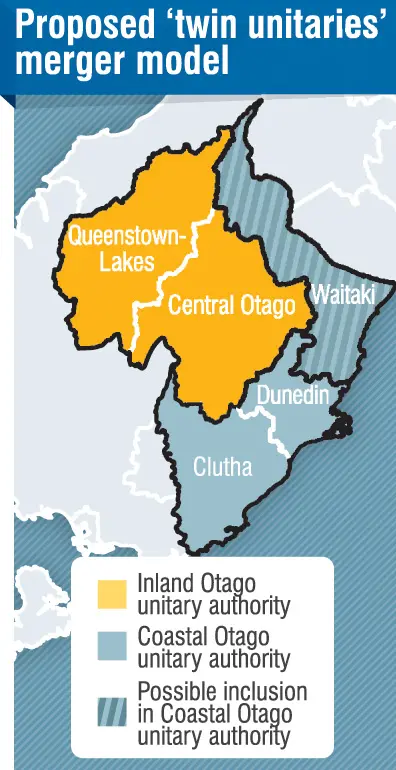
The old saying ‘’ marry in haste, repent at leisure’’ has been forgotten by the government in its mad scramble to crash councils together across the country. The deadline of August 9 for councils to come up with their own options for amalgamations or deal with whatever shotgun marriage the government decides is best for them is almost here. What is clear across the country is that the ten weeks given by the government for this process has not been a triumph everywhere. In those areas where councils may have been well down the path of amalgamation perhaps this has helped crystallise their thinking. For others, however, it seems to have created more heat than light while increasing fears about the loss of a local voice. This is blunderbuss politics from the government which, while it may tap into disquiet about high rates and money wasting on supposed vanity projects by councils, does nothing to solve ongoing funding issues. The enthusiasm from ratepayers for rates caps may soon evaporate if they find themselves faced with extra charges or cuts to other services we expect our councils to deliver such as libraries, parks and gardens, sports grounds and swimming pools. Nobody has yet spelled out what the costs of amalgamations will be and we wonder how keen ratepayers or taxpayers will be to bear them. As we have previously pointed out, the hoped-for savings from economies of scale with larger councils may not eventuate. A 2022 Infrastructure Commission report found larger councils were no more efficient than smaller ones in delivering road maintenance, building consents, governance overheads and support services. These activities represented more than half of total local government operating expenses. It warned against assuming structural change would mean more efficient organisations. Councils are finding it hard to keep up with all that has been thrust upon them and it is hard to tell what the government expects ratepayers to make of it all. This is a government whose major party preached the importance of localism and devolving power on the campaign trail but has done the opposite since. The replacement laws for the Resource Management Act are wending their way through Parliament, notably without cross party support and with alarm bells about them being rung loudly by the Parliamentary Commissioner for the Environment. This week, under pressure to come up with something before the Sunday deadline for what is called Head Start proposals, the Dunedin City Council agreed to work with Queenstown Lakes District Council to submit a proposal supporting two unitary authorities. It looks as if the idea is the Queenstown Lakes and Central Otago councils would form an inland Otago council, with Dunedin, Clutha and potentially Waitaki forming a coastal Otago council with existing regional council functions delivered by a shared services arrangement. That the DCC decision on Monday on the two unitary authority proposal was not unanimous highlights the unreasonableness of the time frames being set by the government on amalgamations and the RMA replacement laws. Is anyone convinced the government pushing through this shemozzle will truly result in enduring and sensible arrangements? Those who believe we need a system of local government which is affordable, free enough to be responsive to the communities it serves and accountable to them, protective of the environment and heritage but able to support growth as necessary, might well wonder. All the more reason for taking more time on all of this, trying to build consensus, ensuring the involvement of Māori, listening properly to constructive criticisms and acting upon them. The government might think blasting on regardless makes it look decisive and bold, but the flip side of that is looking overbearing and dictatorial and creating unnecessary division between communities. It also risks the appearance of using local government to distract from issues the government nationally would prefer we looked the other way from, such as poverty, housing, health, unemployment, and high electricity and food prices. There is still time for the government to pause and rethink all of this before the election. It should do so.