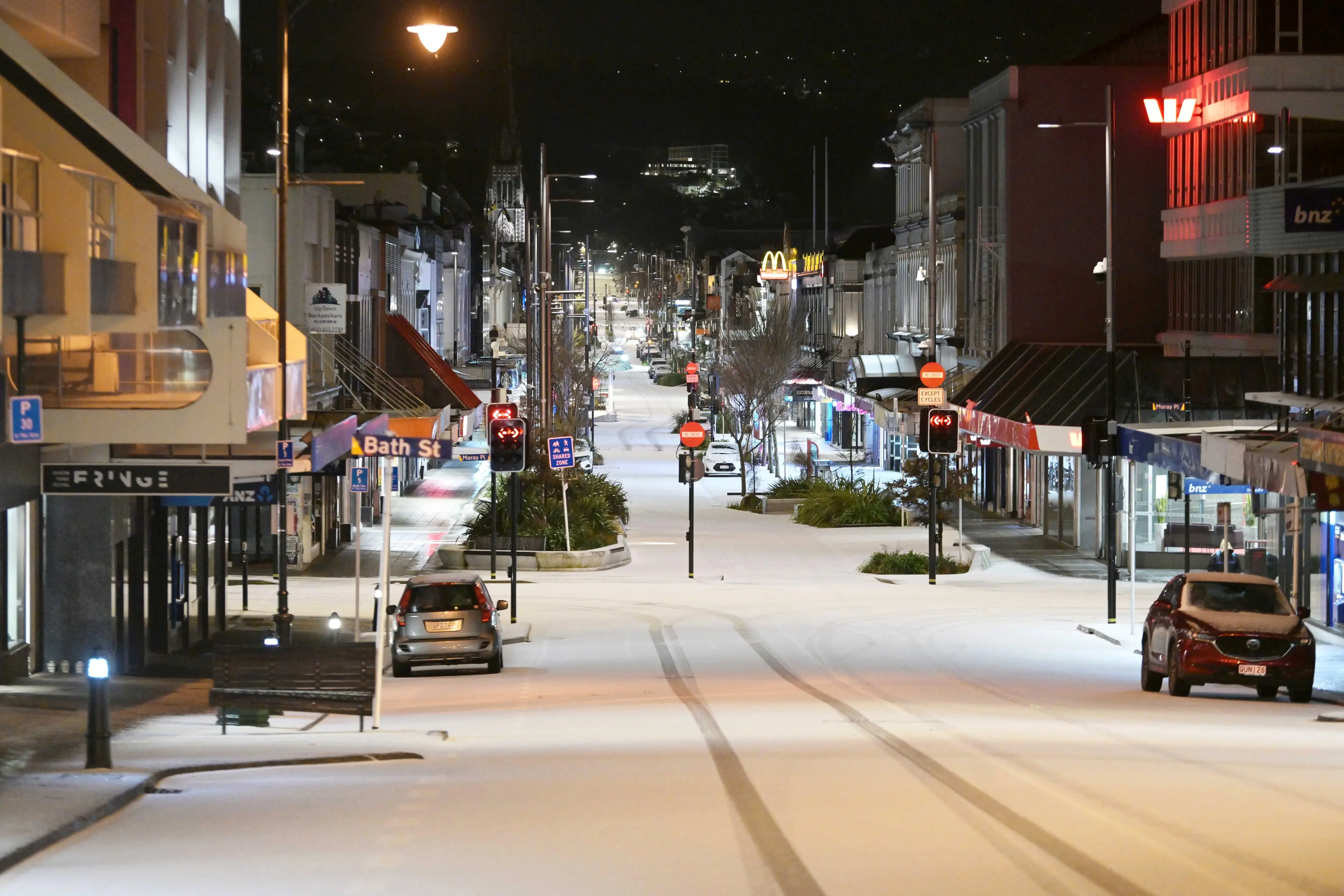
IT seems to be a recurring pattern these days, that the coldest outbreaks of winter are more likely to arrive later in the season and during spring. Dunedin and coastal parts of the South shivered, slid and skated yesterday through the first significant and snowy southerly of the winter. Not content with bringing chaos at this end of the island alone, the polar outbreak delivered snow to Christchurch, the Port Hills and Banks Peninsula, and in the afternoon gave Wellingtonians a surprise, with widespread flurries in the hill suburbs and even in the central business district there. While residents of the capital could fairly claim to have been caught by surprise, the weather was well forecast for the South Island’s east coast, where people know a little better how they are meant to handle it. Or do they? Snow may not be as common these days as it was just a decade or so ago and it’s quite likely both long-term locals and more recent arrivals from warmer climes are not used to coping with the wind chill and icy conditions. The usual headlines dominated yesterday morning after snow fell as low down as Dunedin city centre in the hours before dawn. Roads blocked, cars skidded, buses stuck, schools closed, they said. State Highway 1 over the Leith Saddle was closed until midday after graders had a chance to scrape several centimetres of snow off the road. Other routes reopened once snow showers turned more to sleet and rain. On the grand scale of things, the snow which inconvenienced Dunedin wasn’t really that big a deal. In winters past, the city would often experience a fall like that at least once or twice a year, with something far more significant every few years which might bring the place to a standstill for a couple of days. This year we had a relatively mild start to winter. In fact, June was the warmest June on record nationally, with parts of Otago experiencing average temperatures close to 2°C above the long-term mean. There was a lack of southerlies, warmer ocean temperatures around the country and plenty of anticyclones, although that encouraged frosty mornings. Last month began in similar fashion then deteriorated. It’s only in the past couple of weeks that the icy southerlies have started to blow with any vigour. The developing El Nino — expected to be one of the strongest on record — is beginning to stir up the atmosphere across the globe. There’ll probably be more very cold, squally weather on the way for the South over the next few months before it’s done. No happy anniversary It is unfortunate the national cervical screening programme is in the headlines for all the wrong reasons this week. Today marks 38 years since the release of the Cartwright Report, which recommended the establishment of the programme, following the inquiry into the treatment of cervical cancer patients at Auckland’s National Women’s Hospital. A report released this week, reviewing the register for the programme, found flaws in the system meant almost a million notifications failed to be sent to people eligible for screening. The register, launched in 2023, began with limited functionality and several known issues but attempts to address these issues are still not complete. While it is good to know this is now being addressed, this is not the first time our screening programmes have had issues with notifying participants or prospective participants. In 2012 we revealed a 2009 software fault with the breast screening programme meant 241 women had delayed invitations to routine mammograms. Then, in 2018, it was disclosed thousands of people did not receive invitations to bowel screening, something which had been an issue since the 2011 pilot programme. This latest report makes us wonder what has been learnt from any of these situations. Among the concerns raised in the report are inadequate staffing and funding, poor governance and a lack of monitoring. If the public is to have confidence in screening programmes, every aspect of them has to work properly and we need to have evidence of that. Without systematic ongoing independent monitoring for all our programmes, it is hard to have that assurance.