
PHOTO
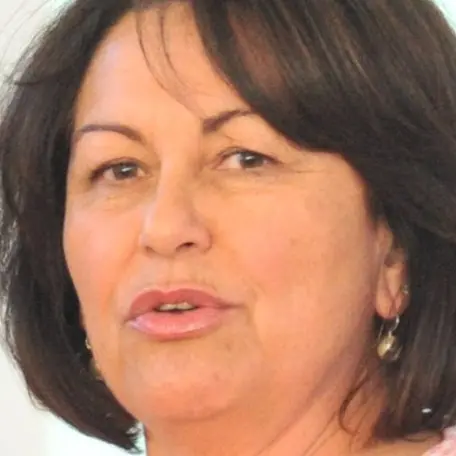
Education Minister Hekia Parata continues to stamp her authority on the education of New Zealand children, and not all people are happy.
In this month alone, Ms Parata has introduced what she calls the biggest update to education in New Zealand in nearly 30 years through the Education (update) Amendment Bill.
The Bill is aimed at enabling schools to provide a flexible 21st-century education focused on the achievement of every young New Zealanders, the political spin says.
However, digging through the details of the Bill makes for fascinating reading and as unlikely as it is that many parents will take too much notice initially, there are changes afoot which may make a huge difference to their children.
Opposition parties and teacher unions automatically oppose anything Ms Parata introduces.
While it can be expected Labour and the Green Party will not agree with Ms Parata, it is not helpful for the teacher unions to oppose every edict without being prepared to make some concessions in the way their members are asked to teach.
Change is constant in every part of society, including education.
The Bill provides for a Government statement, the National Education and Learning Priorities, setting out its objectives for education.
For the first time, early childhood education providers, schools and kura will have clear objectives set, through the help of the government statement.
One of the proposals in the Bill is to modernise online learning through the establishment of Community Online Learning.
These communities may be served through tertiary institutions or even private providers, immediately raising the hackles of the unions.
Other proposals include expanding the current power of school boards to work for other education services in a community of learning.
The Bill gives the minister the power to combine school boards if that will provide an effective route to resolving ongoing issues.
Also this month, Ms Parata has announced new Education Review Office school evaluation indicators and she released $9million over four years to address teacher supply pressures.
A high-quality teacher training programme was extended as a means to attract more science, technology and maths teachers into schools next year.
What is becoming lost in all of the noise around Ms Parata’s ongoing campaign to reform education is the rising in standards for New Zealand pupils.
The latest data shows more than 51,000 18-year-olds, or 83.3%, achieved NCEA level 2 in 2015.
That is about 38,000 more young people achieving the minimum qualification for success than if the achievement rate had remained at the level it was when National became the Government in 2008.
The increase in achievement is a tribute to the hard-working teachers, the parents and the pupils and must be viewed as part of an ongoing programme aimed at success.
The teacher unions oppose charter schools and Labour has threatened to shut them down, despite the results coming through, basically ignoring parental choice.
Parents should be asking when enough is enough?
Teaching is a calling rather than a career but the size of the job these days means principals are mainly chief executives and should rightly have more say over the running of their enterprise — a word not usually used with education but schools are in the business of helping their pupils succeed.
And they get a lot of taxpayer money to complete the task.
Principals should have the say in paying people on performance, just like in most parts of the workforce.
Finally, stop-work meetings have been planned by teachers in their opposition to Ms Parata’s plans, something the minister says is the choice of the unions.
These meetings are being held in school time, meaning working parents are disadvantaged by having to find a way for their child to be minded.
There is no reason why the meetings cannot be held after school.
Teacher union members must start taking more notice of the needs of the children they teach — and the parents of those children — and not be so self-absorbed.
Change is coming.