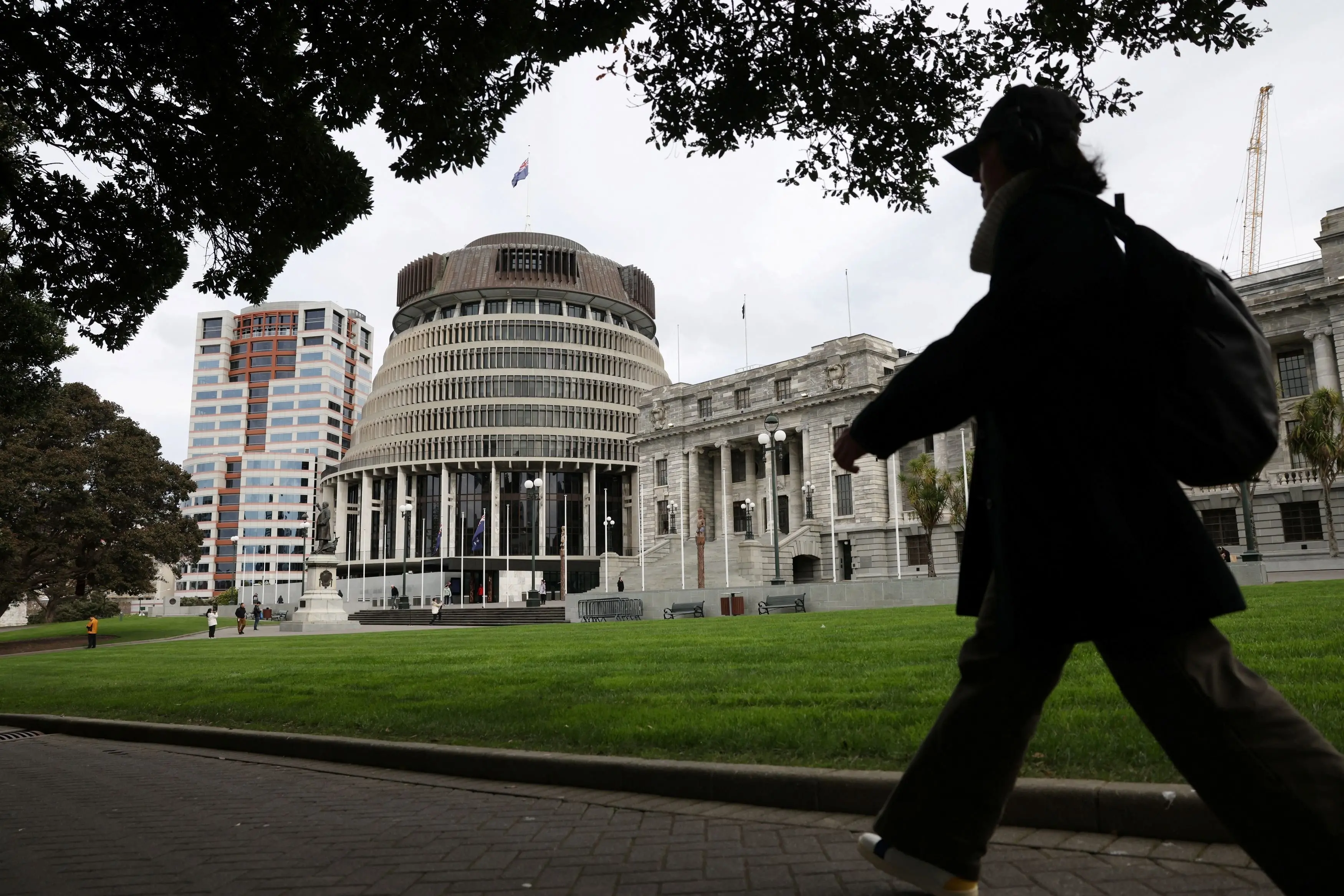
It is contrary to the rules of Parliament to call another member of the House a hypocrite. That of course never stops either the inference, or indeed hypocritical behaviour. We have seen innumerable examples of hypocrisy with MPs being racist and parties espousing racist policies. In the lead up to the election, we can expect more hypocrisy and racism coming from the political class. There are votes in it. We saw this recently with the hypocritical treatment of Stuart Nash’s sexism described by the Prime Minister as (rightly) wholly unacceptable, while Winston Peter’s racist comments have been permitted by this and previous prime ministers for nearly three decades. The current faux outrage over Te Pāti Māori’s electoral strategy is just the same racism and hypocrisy coming from politicians. Strategic voting is a feature of New Zealand politics. For years, National supported strategic voting for Act New Zealand in Epsom, in order to circumvent the 5% party vote threshold and get Act into parliament as a coalition partner. For years the Greens sought only the party vote. All the political parties have stood candidates only so that they have people to campaign for the party vote. Even in local government, candidates only stand for the mayoralty so they can access mayoral forums to advocate for themselves as councillors. The attack on the Te Pāti Māori’s strategy is not even a ``dirty deal’’. There are no electoral arrangements like National and Act did. There are no back room accommodations. The Māori electorates have lots of candidates genuinely campaigning for the electorate. Te Pāti Māori is literally fighting for its life this election. Their electoral strategy is only objectionable to the mainstream parties because Māori are using the system strategically, like mainstream parties have for decades. Hypocrites. This attack on Māori is another episode in the electoral racism campaign coming from government politicians. It is part of a wider campaign to undermine Māori rights and narrow state accountability to the Treaty. Politician calls to ban public service waiata and other cultural practices are racist, albeit framed as cost-saving measures. Did they compare the cost of Western parliamentary cultural practices, the ceremonial opening of Parliament, the parliamentary prayer each sitting day or the cost of urgency for non-urgent Bills (like the Winter Energy payment)? No, because Western cultural practices are acceptable, while Māori cultural practices are decried. Hypocrites. Attacks on Māori cultural practice is not about cost saving or about neutrality, it is about the erasure of Māori from public service. Including the courts. New Zealand First threatened the Waitangi Tribunal again saying that ``sweeping change is coming’’ if it continues to ``thwart’’ the democratic will of small parties. This racist rhetoric reframes the Waitangi Tribunal from a constitutional body into an obstacle to majority rule. The metaphor that ``parallel sovereignties belong in a parallel universe’’ was striking. That phrase is purely ideological. It implies Māori sovereignty claims are inconvenient, illegitimate and outside the mainstream ``real world’’ of democratic governance. This is how de-legitimisation happens. It starts with language that makes constitutional rights sound excessive and outside the realm of legitimate politics. From there governments easily rolls back state accountability for constitutional Treaty obligations to suit their electoral interests. Our constitutional framework becomes an electoral toy. We can see the same strategy in the government’s legislation to stop the Smith and Fonterra climate litigation. The legislation achieves three government aims. It attacks the legitimacy of the Supreme Court, attacks Māori rights to protect whenua, and upholds the rights of industry to emit greenhouse pollution. More broadly law change that affects accountability tilts the balance away from those harmed and towards those accused of causing harm. If public accountability is weakened, the groups most vulnerable to systemic harms to feel that change most sharply. That means all of us. Māori are the primary target because government thinks you won’t care, but this political racism risks everyone. Government is defunding Māori healthcare because it is ``ethnicity-based’’. Pensioners were denied their Winter energy payment because of hastily written legislation. How many of all of them have turned up at understaffed (by government decree), bulging ED’s and not seen for hours if at all? If you think the hypocrisy and racism only affects Māori, or neglecting pensioners affects only them, you are wrong. You suffer for it too. Don’t ignore it, don’t tolerate it. And for goodness sake don’t vote for it. Associate Prof Metiria Stanton Turei writes the Provocatively Reasonable column for the ODT. She is a law lecturer at the University of Otago and a former Green Party co-leader.