
PHOTO
In the Otago Daily Times opinion piece, Mining threat outweighs benefits for Central (16.9.26), many incorrect opinions were stated as facts.
It is only appropriate that as the industry body representing the mining industry we are given some redress. There are too many errors to cover in one piece so I will pick some of the more egregious to put right and make some comment on the general tone.
There are two points to make clear. Firstly, if you are going to have a crack at something, get your facts and measurements right. Secondly, comparisons must be valid, not just fireside horror stories about things that happened more than 20 years ago, in other countries, in asbestos mines, which we don’t have in New Zealand.
Modern mining in New Zealand relies on the latest science and technology and is heavily regulated.
Gail Duncan’s economic comparison does not stack up. She compares the royalties from gold with the export earnings from the entire New Zealand food and fibre sector.
Royalties, which other sectors don’t pay, are only one of the contributions mining provides to the New Zealand economy.
As it happens, export earnings from gold are substantial in themselves. In the year ended June 2026, gold earned $2.5 billion in export revenue, ahead of many iconic export sectors such as wine, seafood, apples and pears, and other fruit.
And the figure is expected to grow significantly in the coming years.
It is legitimate to ask questions about mining risk. New Zealand is a risky country when it comes to natural disasters, particularly floods and resulting land slips, and earthquakes.
That is why we have some of the best seismic engineers in the world evaluating and mitigating those risks. In doing this, the “what ifs” must be put into perspective with facts and evidence.
On to the facts about the Bendigo-Ophir Gold Project currently being considered in the fast-track process – and anyone can check these either within the company’s fast-track application or by speaking to them directly:
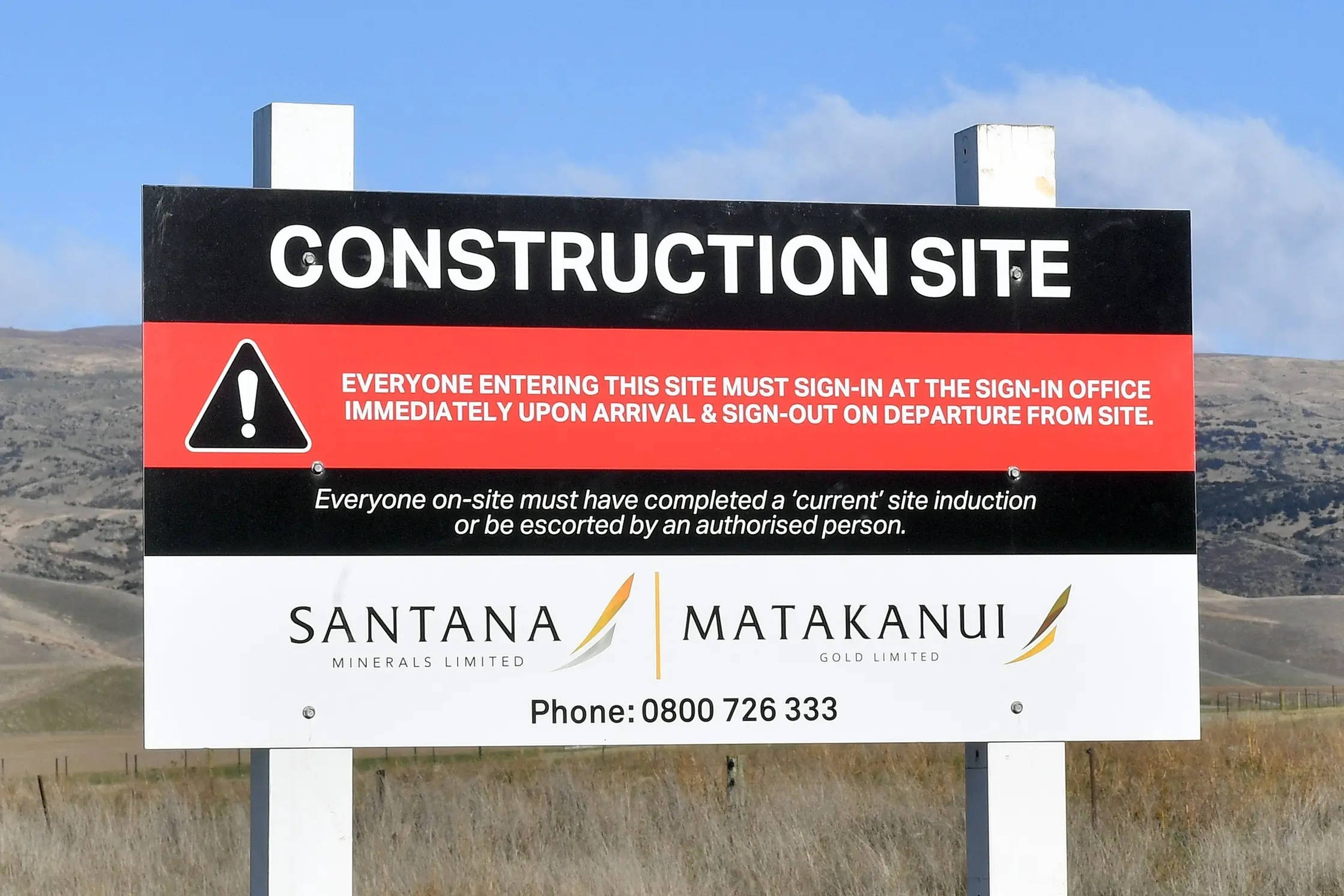
- In her opinion piece Gail Duncan says the tailings facility is “sitting 1600m above sea level”. Incorrect. The application has the correct elevation at 690m.
- Her Clutha River flow calculation contains a basic units error. She has converted tonnes into cubic metres and come up with a dam-failure analysis. This does not stack up and the fast-track application addresses this.
- Again, there are some measurement issues in truck calculations with Gail Duncan saying, “300-ton trucks cannot drive safely on steep, wet mine roads”. The project documentation specifies 22 x 165-tonne haul trucks – the trucks have somehow almost doubled in size on the way into the opinion column.
- Calling 22 million tonnes of tailings “chemical waste” is designed to frighten, not inform. The tailings are processed rock residue. Cyanide is a real hazard requiring controls; that is very different from implying 22 million tonnes of toxic chemicals are sitting behind a dam. Santana’s application and publicly available information explain its tailings management as well as chemical treatment.
- The contention “Santana’s refusal to look after the welfare of our native lizards” is demonstrably wrong. There is targeted relocation of Kawarau geckos and southern grass skinks, habitat enhancement, monitoring, and adaptive management. Wildlife management is part of any mining project and subject to many rules, regulations, and conditions.
On to the broader picture.
Risk management is often misunderstood. It uses modelling and scenarios, including the worst-case scenarios. Engineers are required to test worst-case scenarios precisely so they can design against them. That does not mean the worst-case scenario will ever happen, just that it might.
The risks Gail Duncan identifies are not new discoveries. They are exactly the risks the Bendigo-Ophir Gold Project has been required to identify, investigate, engineer for, and put in front of a panel of independent experts.
They are also risks Santana, and for that matter any other mining company, will discuss with those interested at public meetings, or whenever they are asked to.
The independent experts assessing fast-track applications certainly do not have a rubber stamp and this has been shown where projects have been turned down.
Suggesting this ignores a rigorous process of analysing expert evidence, workshops, hearings, requests for information, and in-depth scrutiny. The panels can set conditions for the project if they approve it.
Detractors of mining do not seem to want to hear the truth, discuss their concerns with experts, or listen to any view other than their own. That weakens their voice.
- Josie Vidal is the CEO of the New Zealand Minerals Council.