
PHOTO
In his interesting ODT article (Opinion 30/9/26) assoc Prof of Economics, Dennis Wesselbaum discusses the concerns of voters internationally, including Kiwis.
Amongst us, healthcare cost and quality was identified as the third most common concern, shared by 9.5% of the 1000 polled .
However health care cost was also a component of the two most common concerns, high prices and low wages 29.4%, and social issues including poverty 19.9%.
Thus the cost of healthcare is at least a component of concern for almost 60% of Kiwis.
Once one researches the cost comparison internationally of investigations and procedures, it is apparent that New Zealand’s cost concerns for secondary healthcare are well grounded.
Data from the International Federation of Health Plans compares prices from Australia, Chile, Germany, Greece, Kazakhstan, New Zealand, S Africa, Spain, Switzerland, UAE and US.
New Zealand prices are second only to the US for coronary bypass surgery, spinal fusion, coronary angioplasty, and hip replacement. For knee replacement we are the third most expensive.
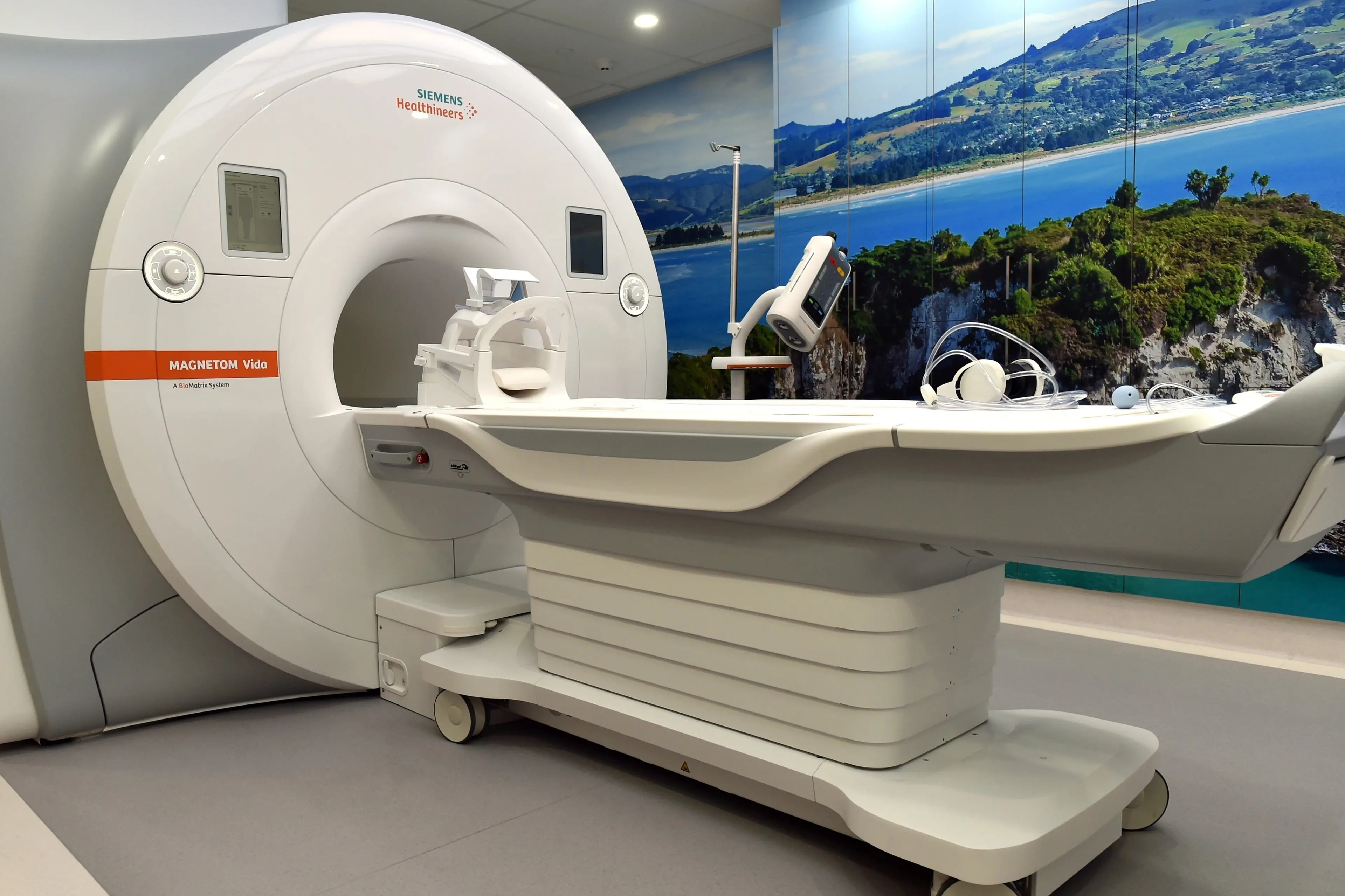
For many outpatient services, New Zealand is the most expensive: hernia repair, colonoscopy, endoscopy, MOHs skin surgery, CT and MRI scan.
There are many examples where the cost is 5-10x less in the cheapest countries than in New Zealand. An MRI scan costing $750 in New Zealand costs $190 in the Netherlands as of 2017.
The quality of healthcare is not indexed to the price. According to the World Bank in 2014, Singapore spent only 4.9% of Its GDP on health compared to the US’s 17.1%.
The WHO judged Singapore’s health system performance sixth globally while the US ranks 37th. New Zealand spends 6-7% of GDP on health and is currently ranked 21st by the World Index of Healthcare Innovation, down from 17th in 2022.
The Singapore ministry limits the purchase of expensive machines for pricey tests and treatments because studies show abundance engenders overuse without reducing the unit price of these.
The situation in New Zealand is that our ratio of CT and MRI scanners to population is above average.
About 30% of our private radiology services are provided by Pacific Radiology. This is majority owned by Infratil which has historically returned a 17.9% average annual return to its shareholders, twice the NZX50 average.
Cataract surgery is an expensive experience and the cost is often borne by impecunious pensioners. About 30-40,000 of these operations are performed annually, and about half are publicly funded.
Cataract surgery once required enormous skill and took an hour to complete and prolonged hospitalisation. It is now so simple that it is performed by technicians instead of doctors, in 20 minutes or less.
As a donor to The Fred Hollows foundation, I am aware that these technicians perform this procedure to a high standard for an overall cost of $25.
The International Federation of Health Plans found the average price of cataract surgery (doctors and hospital fees combined) was in 2013, $1038 in Argentina, $1610 in the Netherlands and $2016 in Spain.
It was $3762 in the US, and currently in New Zealand costs about $4500.
These figures are the price of private healthcare, but also are the basis for pricing when the government outsources procedures to private.
The inability to access a timely diagnostic colonoscopy through the public system may force Kiwis to pay more in private for a colonoscopy than their US counterpart.
In response to high prices, some Kiwis resort to “medical tourism” and I am aware of an acquaintance who saved $10,000 overall recently by having knee and hip replacements in India, but this obviously isn’t cost effective for smaller procedures.
The standard of care is usually at least as good as New Zealand, but whenever complications arise the opportunity is seized upon for scaremongering.
I don’t know how to prevent this exploitation of Kiwis, but I hope drawing attention to it is a step towards resolution.
- Ian Breeze is a retired surgeon living in Dunedin