
PHOTO
As the election draws closer there will be a range of issues prevalent in voters’ minds that guide the choices they will make on election day.
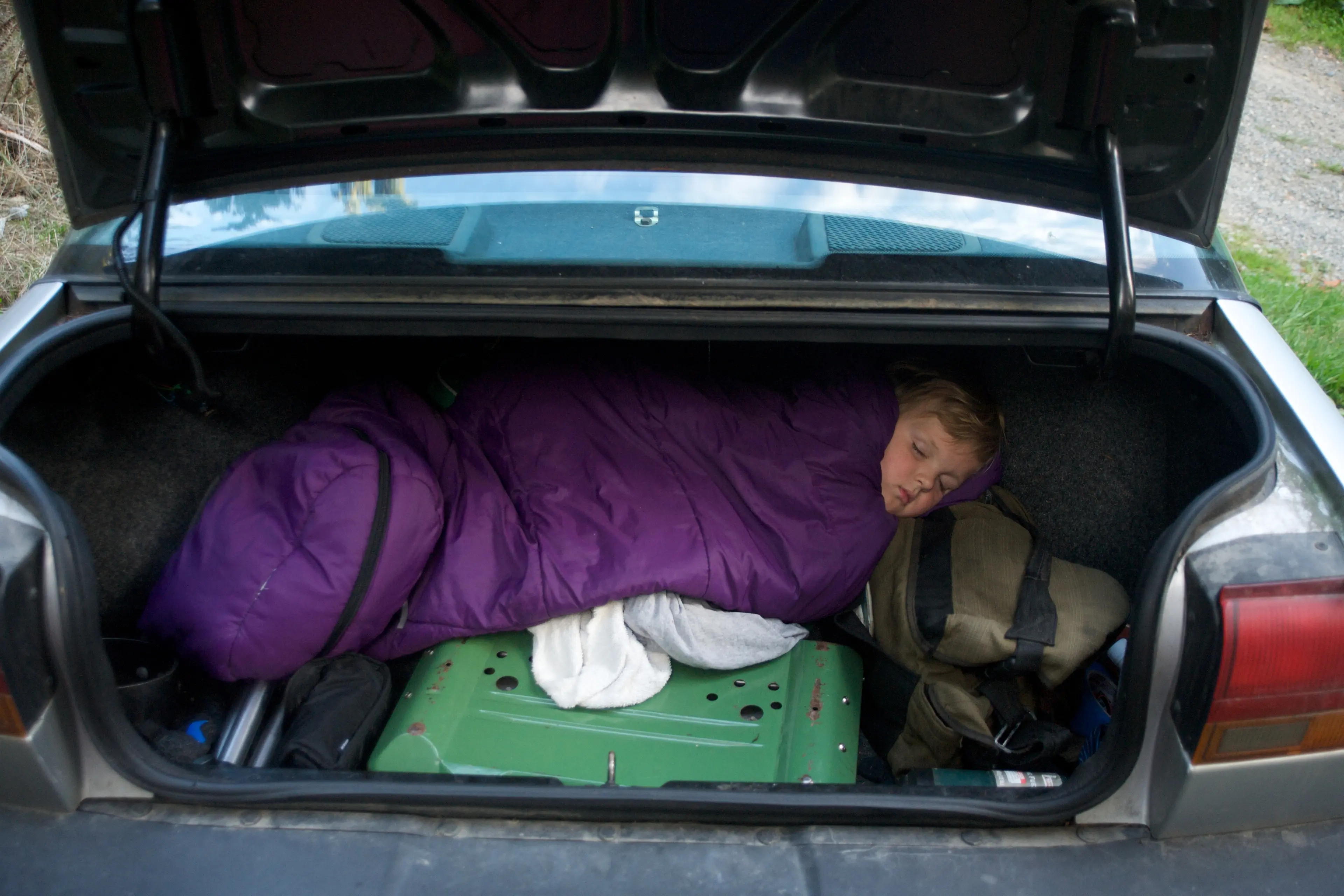
One of those ought to be the worsening rates of child poverty in New Zealand. The latest report on child poverty published in July this year by the Ministry for Social Development reports that the percentage of children living in material hardship reduced from just under 20% in 2013 to a little over 10% in 2022 but there has since been a sharp trend upwards to a figure now approaching 15%.
One third of that 15% are identified as living in ``severe’’ material hardship. To put some numbers to those percentages, that is 169,300 children living in material hardship in New Zealand, 71,000 of whom experience severe material hardship. We know further that poverty disproportionately affects Māori (25.1%) and Pacific children (31%).
What does material hardship look like in practical terms? The KidsCan website offers some examples. Living in material hardship means that children ``go without necessities like fresh fruit and vegetables or enough meat, lack adequate clothing, and put up with feeling cold.’’
The same website quotes a school principal who reports: ``I’ve seen a family of four share one sandwich... knowing it’s the only meal they’ve got for the day. Watching that is heartbreaking, but watching them try and break that sandwich up evenly so that nobody misses out – that causes anxiety.’’
The impacts of child poverty extend well beyond inadequate food, clothing, and shelter. Poverty leads to poor educational outcomes, health problems that endure well beyond childhood, and social deprivations such as exclusion from extra-curricular activities.
From a Christian perspective, the duty to care for the poor and the vulnerable is unambiguous. The imperative to do so is prevalent throughout the Bible.
The prophet Isaiah, for example, declares that the Lord has had enough of empty religious rituals and closes his ears to the prayers of a sinful people. They are instructed instead to ``learn to do good; seek justice, rescue the oppressed, defend the orphan, plead for the widow.’’ (Isaiah 1:17).
Zechariah, likewise, urges his hearers to ``show kindness and mercy to one another; do not oppress the widow, the orphan, the alien, or the poor’’.
His injunction fell on deaf ears however: ``But they refused to listen, and turned a stubborn shoulder, and stopped their ears in order not to hear’’ (Zechariah 7:9-11).
Amos too is unequivocal: ``Hear this, you that trample on the needy, and bring to ruin the poor of the land... Surely [the Lord] will never forget any of their deeds. Shall not the land tremble on this account, and everyone mourn who lives in it.’’ (Amos 8: 4, 7-8).
It is a defining feature of Jesus’ teaching, furthermore, that the poor should hear good news (eg Matthew 11:4-5).
These are the imperatives that motivate churches and Christian social service agencies throughout New Zealand to provide services for the needy – food banks, budgetary support, emergency housing, employment training, and so on.
Similar work is done on marae up and down the country.
But such services are for the most part the ambulance at the bottom of the cliff. They tend the wounds, alleviate some suffering, and restore a measure of dignity to those who have fallen into poverty and hardship.
These things are of immense value, but we need as well to build fences at the top of the cliff that will prevent the fall into poverty in the first place. This is where government policy settings play a decisive role.
Collectively through the agency of government we need to ensure basic levels of income for all so that children, their families, along with all other members of our society, may eat well, pursue education, avoid preventable ill-health, and receive good health-care when they need it.
We need to ensure a sufficient supply of affordable, accessible, and healthy homes, and to recognise that government interventions are required here to supply what the market does not.
We need to make sure that there are genuine opportunities available for well-paid and satisfying work, and generous support for those who cannot find employment or cannot work.
We need to ensure the availability of accessible, high-quality child-care, and access for all to the services and activities that support healthy progress through childhood.
We are reminded quite often that there are limits to what government policy can achieve. That is true.
We do well to recall the well-known adage that it takes a village to raise a child.
Hand in hand, therefore, with well-considered and effective policy settings we all have a role to play in cultivating compassionate communities in which people care for the vulnerable, welcome the stranger, contribute gladly through taxation and by other means to support the common good, and who vote in this coming election not simply in their own interests but in the best interests of all.
- Murray Rae is a professor of theology at the University of Otago.