
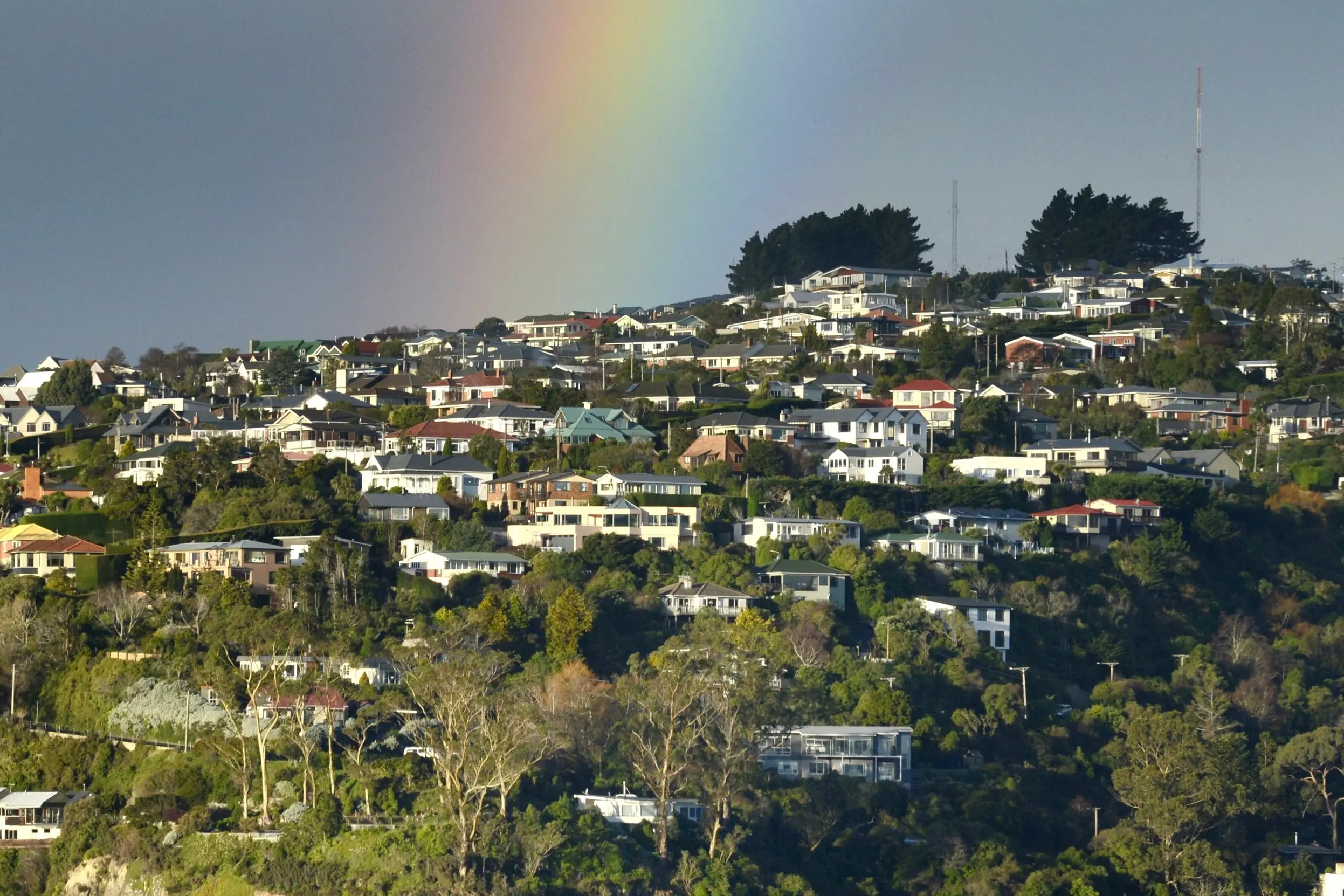

PHOTO
With election day now less than 90 days away, one question is being asked of me more than almost any other: “Should I wait until after the election to buy or sell?”
It is a fair question. Elections create uncertainty and uncertainty has a habit of making people pause before making major decisions about their future and their finances.
Buyers become more cautious, sellers wonder whether they should hold off and investors wait to see what tax or housing policies the next government may introduce.
However, history tells us something interesting. Over the past 25 years, the number of house sales have typically fallen by 5%-10% in the six months leading up to an election.
While elections may influence activity in the short term, they rarely determine the long-term direction of property prices.
The factors that move the housing market are generally much bigger than politics itself.
Interest rates remain one of the strongest influences. When borrowing becomes cheaper, more people can afford to enter the market.
Demand tends to strengthen and prices may follow. When mortgage rates rise, affordability falls and the market usually cools.
A useful rule of thumb is that for every 1% of interest in borrowing rates, a buyer’s budget falls by about 10%.
Employment is another major driver. People are more willing to buy a home when they feel secure in their job and are optimistic about the future.
First-home buyers now account for close to 30% of property purchases in Otago, a record high compared with the 10-year average of approximately 20%.
Population growth, migration, wages, housing supply and construction costs arguably have a far greater impact over time than whichever party occupies the Beehive.
Both Labour- and National-led governments have presided over periods of rising and falling property
prices. In fact, over the past 25 years, house prices have increased more under Labour-led governments than under National-led governments.
More recently, Auckland and Wellington have experienced some of the largest house-price declines on record.
Housing has become one of New Zealand’s defining political issues and differences in party policies can certainly influence buyer, seller and investor behaviour.
Changes to interest deductibility, bright-line rules, first-home buyer assistance, infrastructure funding,
planning regulations and overseas investment settings can all change the attractiveness of buying or investing.
Sometimes the mere expectation of a policy change is enough to get people moving before legislation is even introduced.
Following previous elections, there have been short-term increases in investor activity when favourable tax changes were expected.
Conversely, markets have slowed when buyers anticipated tighter regulation or increased costs, but these reactions are usually temporary.
One of the biggest mistakes buyers make is trying to time the market perfectly around an election.
For someone purchasing a home they intend to live in for the next 10 or 20 years, whether they buy in September or November is unlikely to matter nearly as much as finding the right property at a price they can comfortably afford.
As the saying goes, you date the interest rate, but you marry the property. Rates can be refinanced when conditions change; the property itself cannot.
Sellers should not assume that waiting until after polling day will automatically deliver a better result either. There is no magic date in real estate.
The quality and presentation of the property, local competition, buyer demand and pricing strategy usually matter far more than political headlines.
Looking ahead, I believe housing affordability will remain one of the biggest political battlegrounds.
Regardless of which party forms the next government, increasing housing supply while keeping homes affordable will continue to challenge policymakers. There are no quick fixes.
The reality is that New Zealand still faces significant housing pressures, particularly in high-growth regions where demand continues to outstrip supply.
So, will the election affect property prices? Yes, but probably not in the way many people expect.
It may influence confidence for a few months. It may shift investor behaviour. It may change tax settings and housing policy. But over the long run, the market will continue to be driven by economics rather than politics.
Governments can influence the housing market. They rarely control it.
As buyers and sellers prepare to cast their votes, perhaps the best advice is this: make your property decisions based on your own circumstances, not on election speculation.
Because while governments change every few years, good property decisions often last a lifetime.
- Hamish Walker is a former National MP and director-salesman of Walker & Co Realty, Queenstown. He writes the Walker’s Words column for the ODT.