
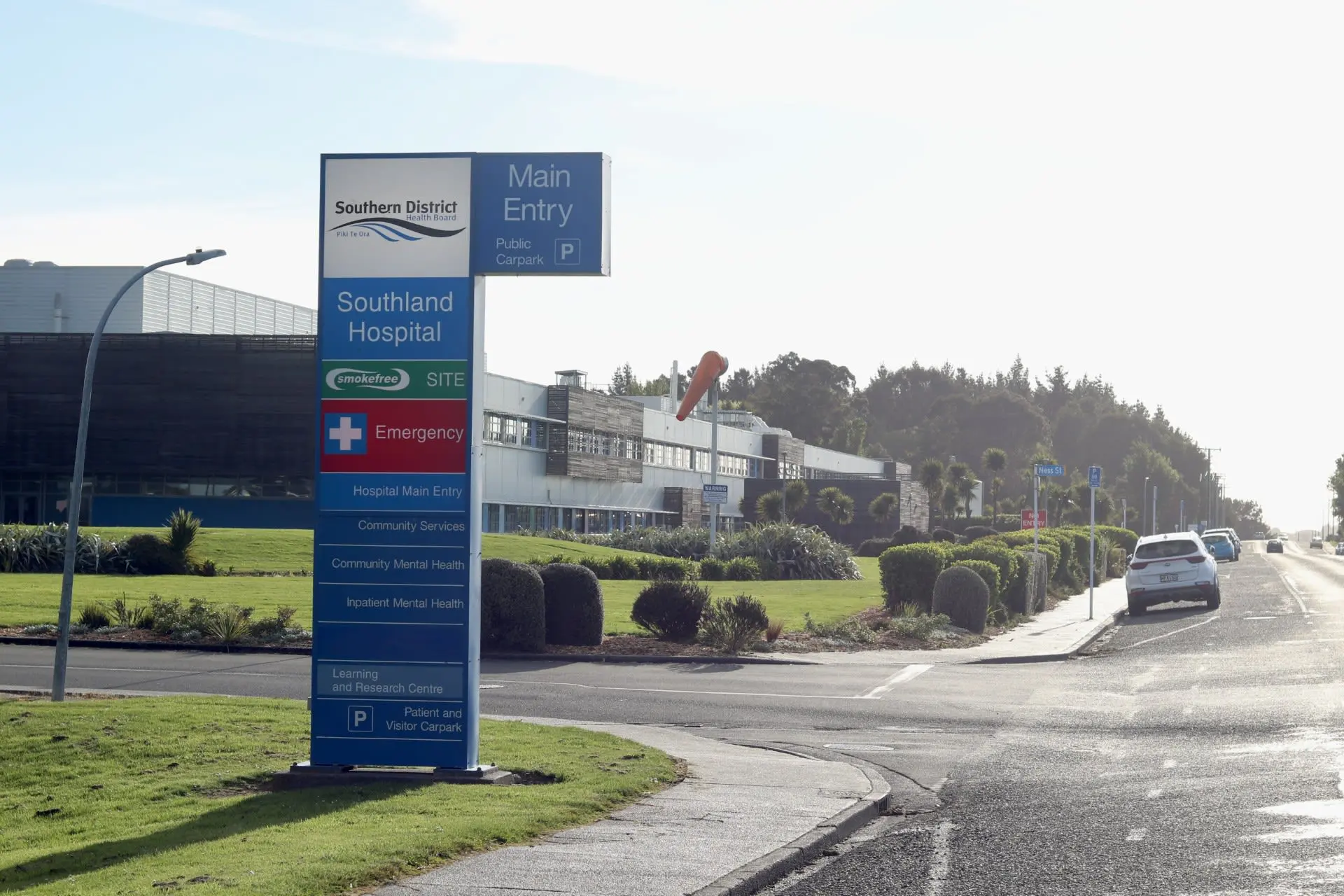
PHOTO
More than once a month for two years, Southland man David has rushed to hospital or had to call for help, because of a painfully blocked catheter.
What was meant to be a temporary fix for a bladder problem while he waited for routine surgery has now stretched into a 700-day ordeal.
The 82-year-old said he had repeatedly sought updates from Southland Hospital about his planned operation for an enlarged prostate, but was met with unanswered emails and voicemail messages.
"The worst is not knowing what's going to happen," he said. "For two years, I've basically sat at home here, waiting for some message to come that the surgery is on its way."
David was one of several Southlanders who contacted RNZ, after learning the region had no permanent, full-time urologists - specialists who could oversee procedures such as his and help him return to a catheter-free life.
RNZ agreed not to publish David's last name for privacy reasons.
Documents revealed by RNZ showed the resignation of two urologists earlier this year prompted internal warnings of adverse impacts on patients and the potential "collapse of the Southland service".
The Prostate Cancer Foundation and Association of Salaried Medical Specialists have blamed the staffing gaps partly on poor retention and succession planning.
Health New Zealand said it was working hard to maintain access to urology services in Southland and ensure patients received care as quickly as possible.
The agency apologised for a recent problem with its urology phone system that led to "some messages not being received or responded to".
David said he was briefly hopeful, when Southland Hospital called his daughter in September to advise her that he was on Christchurch Hospital's surgical waitlist.
Eight days later, when a continence nurse came to his home, David said he expected to finalise travel and surgery dates.
He was stunned when the nurse told him she had no knowledge of any transfer to Christchurch.
"Just to be told, well, I am probably stuck with [the catheter] for life," he said. "That really knocked me back, I was deeply shocked."
Health NZ's internal briefings showed patients whose surgeries had been delayed or cancelled also included people with cancer.
Another patient, John, told RNZ his many calls and emails to Southland Hospital had also gone unanswered.
John also asked to be identified only by his first name, because he had not yet told friends about his March diagnosis of advanced, high-risk, Gleason 9 prostate cancer that had spread to his rectal wall.
In April, specialists told him he would need to have a prostate "rebore" or TURP procedure within 6-8 weeks to clear the path for radiation treatment.
He said his case was classed as an "urgent priority".
The procedure was not performed until September and was done by a urologist at Christchurch Hospital, rather than in Southland.
Seven months after his diagnosis, John still waited for his radiation treatment to begin.
"I don't know the optimum timing for prostate cancer treatments, but I do think that the earlier you get treated, probably the better prognosis," he said.
"How long it does take to actually get some treatment? This not only frustrates me, but also my family is impacted as well."
While he had received "countless" apologies from frontline health workers, John said he felt deeply for staff caught in the middle and wanted action, not platitudes.
"I don't really want thoughts and prayers," he said. "What I would like to see is an adequately funded public health sector that caters for all New Zealanders.
"Public hospitals are under-resourced and under-staffed."
Shortly before his diagnosis John said he dropped his private health insurance, trusting that the public system would be there, if he fell ill.
"The people involved in my case are working as hard as they can with care and sensitivity in a system which is failing them as much as it is failing me," he said.
Specialist shortage felt beyond public hospital system
For 90-year-old Invercargill man Peter Brotherston, Southland's lack of urology specialists also meant travelling to Christchurch - four times in a year - to manage ongoing complications from prostate surgery.
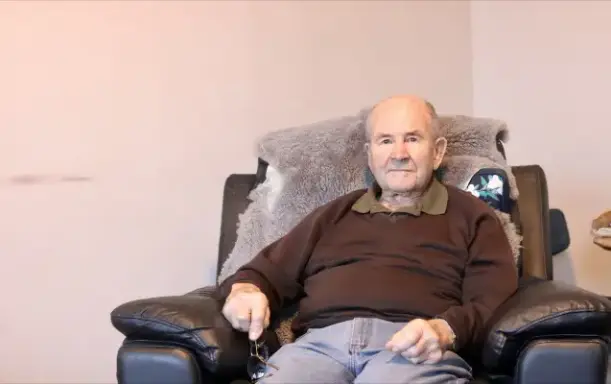
The travel was despite his treatment being funded by ACC and provided through private hospitals.
Brotherston said the problems began following a prostate operation in Christchurch in 2007 that left him with permanent urinary incontinence.
In 2018, he was referred to Christchurch to be fitted with an artificial urinary sphincter, because Southland Hospital did not have specialists to perform the procedure.
In late 2023, the device was removed completely, after eroding his skin and causing an infection.
In April, Brotherston returned to Christchurch to have a suprapubic catheter inserted directly into his abdomen, but that was also unsuccessful.
Brotherston said he dealt with persistent leakage, changing 3-4 pads per day, as well as managing his catheter bag.
"Sometimes, you end up wetting your pants," he said. "A couple of times, I've been out when it's happened and it, you know, can be a bit embarrassing."
Brotherston was waiting for an appointment in Christchurch for another operation to permanently seal his urethra.
While each of his trips to Christchurch had been reimbursed, he said they had still cost him money and taken up time.
He said quick treatment in Invercargill, "all over and done with", was his preference.
Brotherston's daughter told RNZ that watching her father's daily existence consumed by travel and medical needs was "utterly heartbreaking", calling him a "stoic Southlander, with a champion level of resilience".
Health NZ says concerns being taken seriously
Health NZ declined RNZ's interview requests, but said it took the three patients' concerns seriously.
Southern group director of operations Craig Ashton said three permanent part-time urologists in Dunedin helped support patients in Southland, while recruitment continued.
"We are taking steps to strengthen capacity and maintain access to care, including employing locum specialists, receiving support from teams elsewhere in the South Island and using private providers where appropriate," he said.
"We appreciate how important timely care is for our patients and their whānau, and we recognise delays to treatment can be distressing."
Health NZ did not answer RNZ's questions about when David, John or Peter would receive the treatment they were waiting for, or why David and John had waited so long.
"We remain committed to engaging directly with patients under our care or their families to discuss any concerns regarding their treatment, and to ensure they receive the care they need," Ashton said.
Ashton said Health NZ used a different phone system in Southland's urology department, after problems with the previous system earlier this year.
