
PHOTO
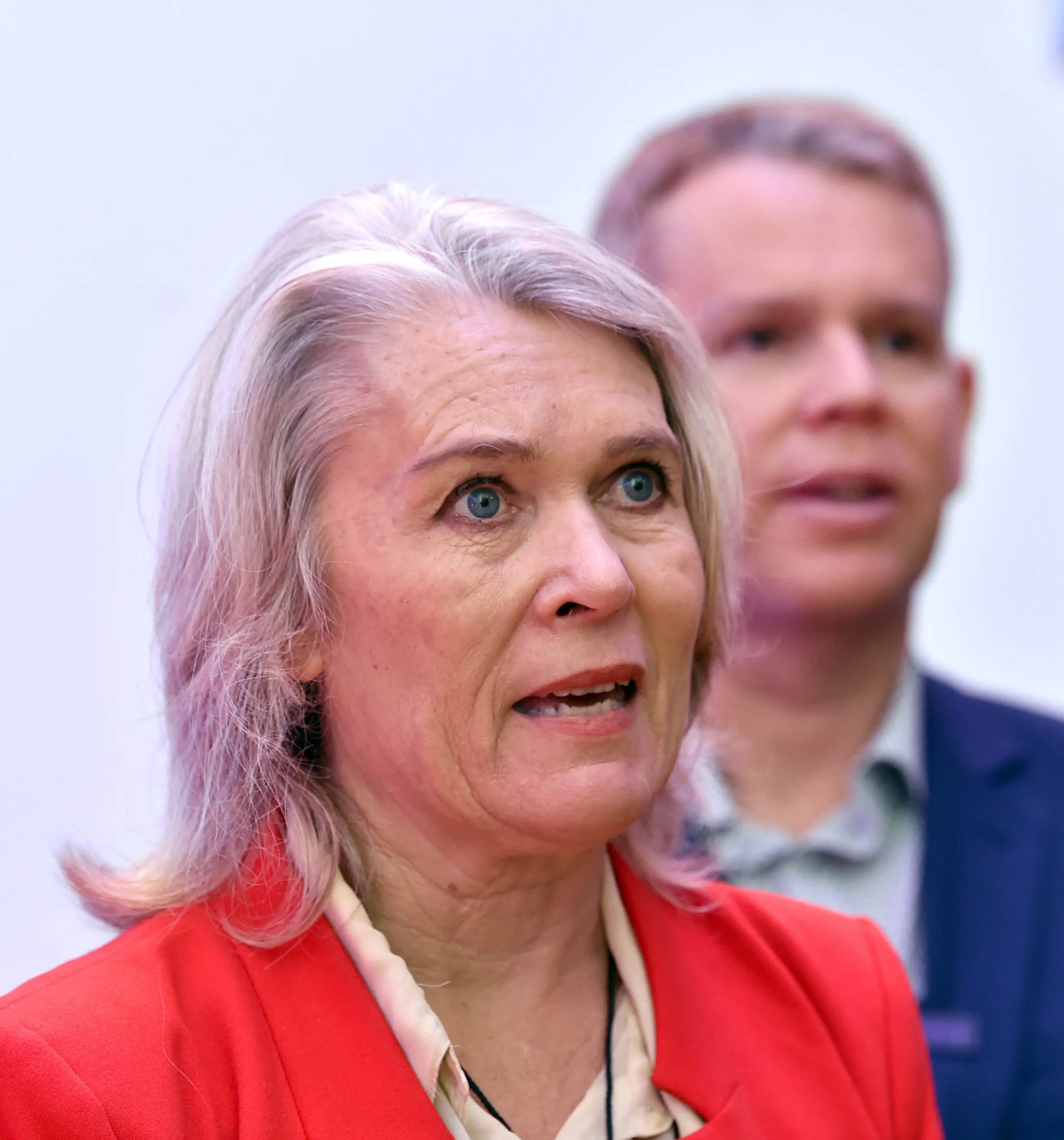
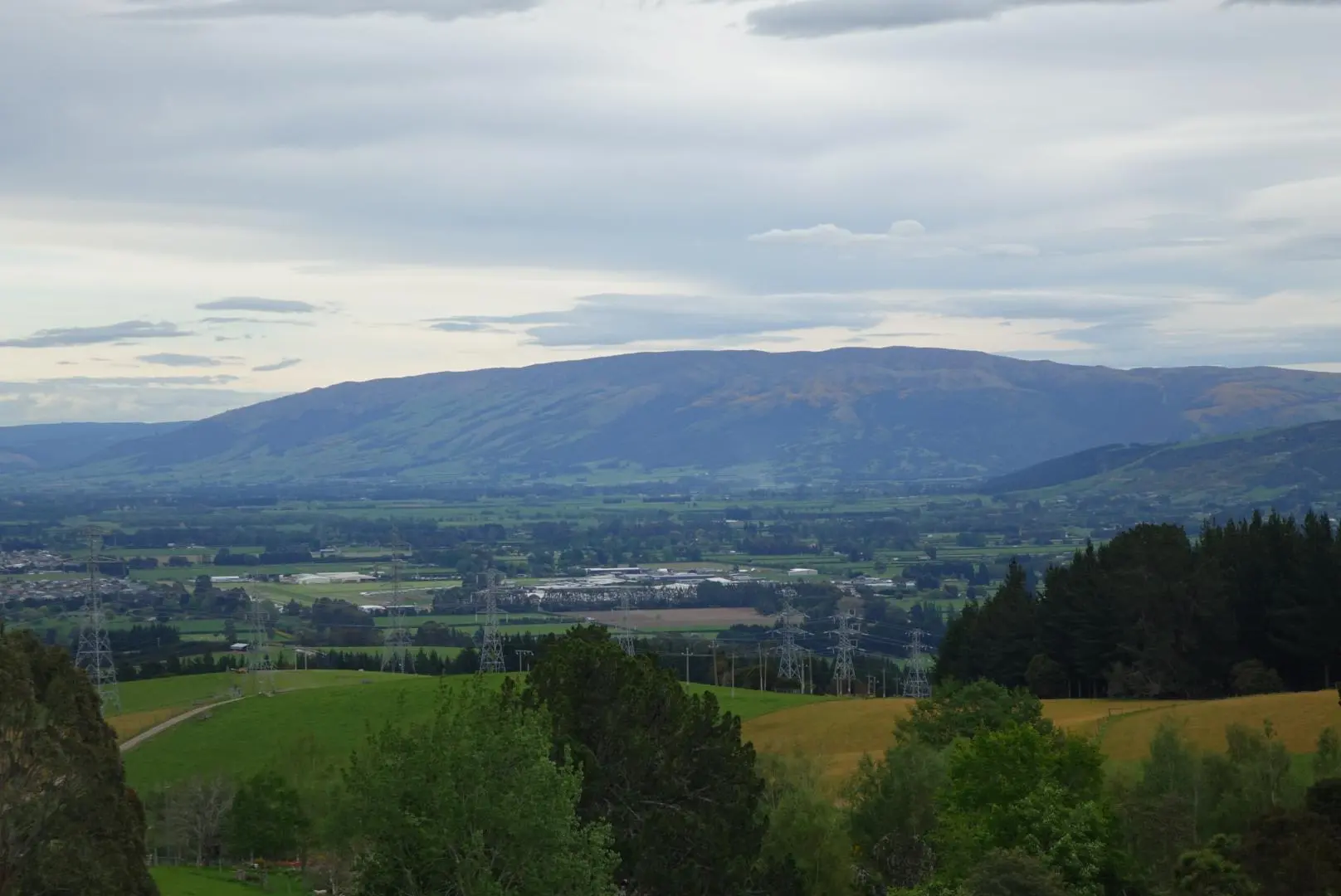
Six candidates are vying for the Otago seat of Taieri that stretches from Dunedin's southern suburbs to Balclutha and inland towards the Rock and Pillar Range.
Why is it interesting?
Dunedin has been a red fortress for decades but Labour's Ingrid Leary held onto the neighbouring seat of Taieri by fewer than 1500 votes at the 2023 election, ahead of National newcomer Matthew French.
The former Dunedin South seat was renamed Taieri as a result of boundary changes in 2020, claiming new, rural territory to the south while losing Otago Peninsula to the Dunedin electorate.
Leary comfortably won Taieri in 2020, claiming more than half of the vote with a majority of 12,398 over National's Liam Kernaghan, but the much tighter race in 2023 signalled the red tide could be turning.
What happened last election?
The 1443 votes separating Leary and French also came with a big swing away from Labour in the party vote, although Labour edged out National with a margin of less than one percent.
In a further swing to the right, NZ First candidate Mark Patterson increased his vote, while his party's vote almost tripled from 1179 in 2020 to 3259 in 2023.
The Green Party's Scott Willis retained the third polling position in the electorate vote and his party's vote almost doubled, while ACT remained relatively steady.
Who is standing?
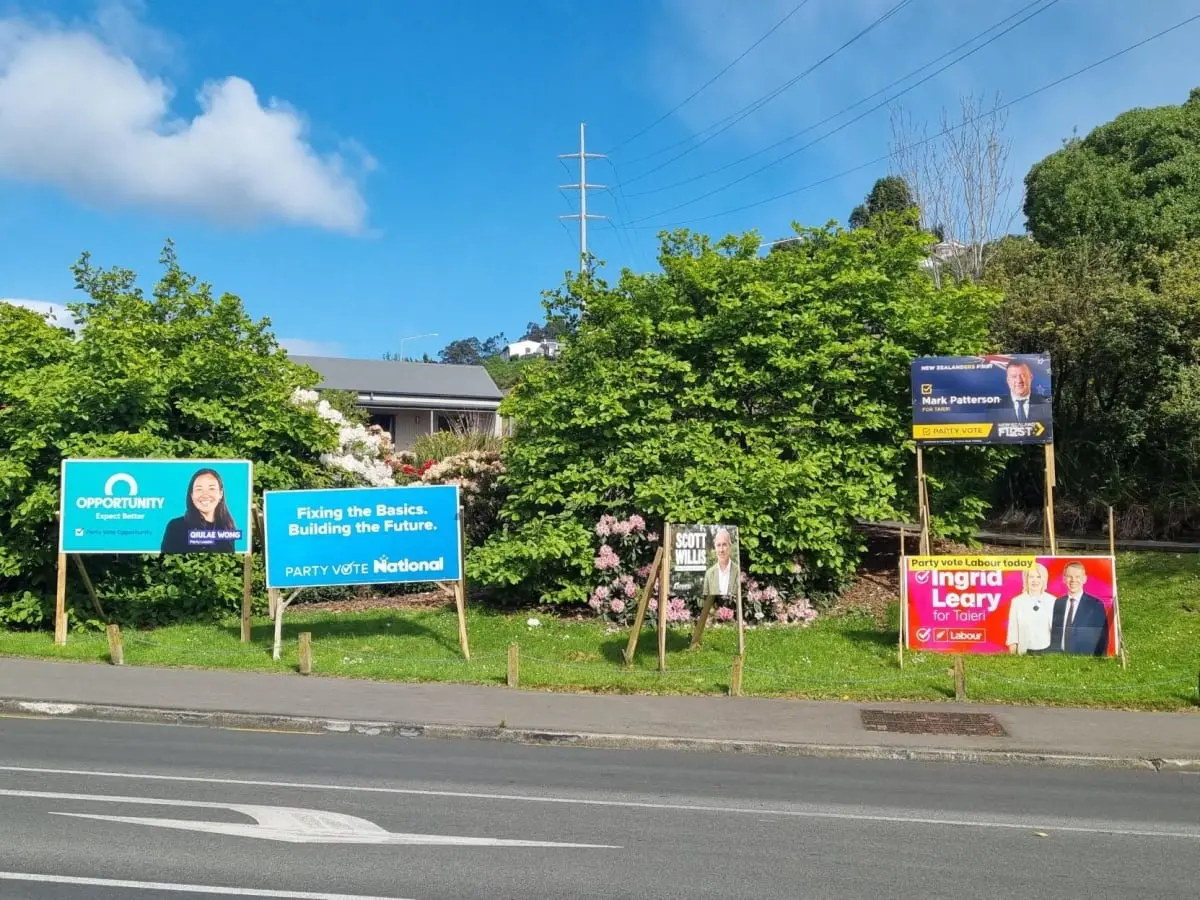
Leary is campaigning for a third term as the MP for Taieri but she will need to fend off another challenge from rival French.
Patterson and Willis are also taking another tilt at the seat.
South Otago dairy farmer and Otago Regional Councillor Robbie Byars is standing for ACT and translator Anna Knight is running for the Alliance Party.
What do the locals say?
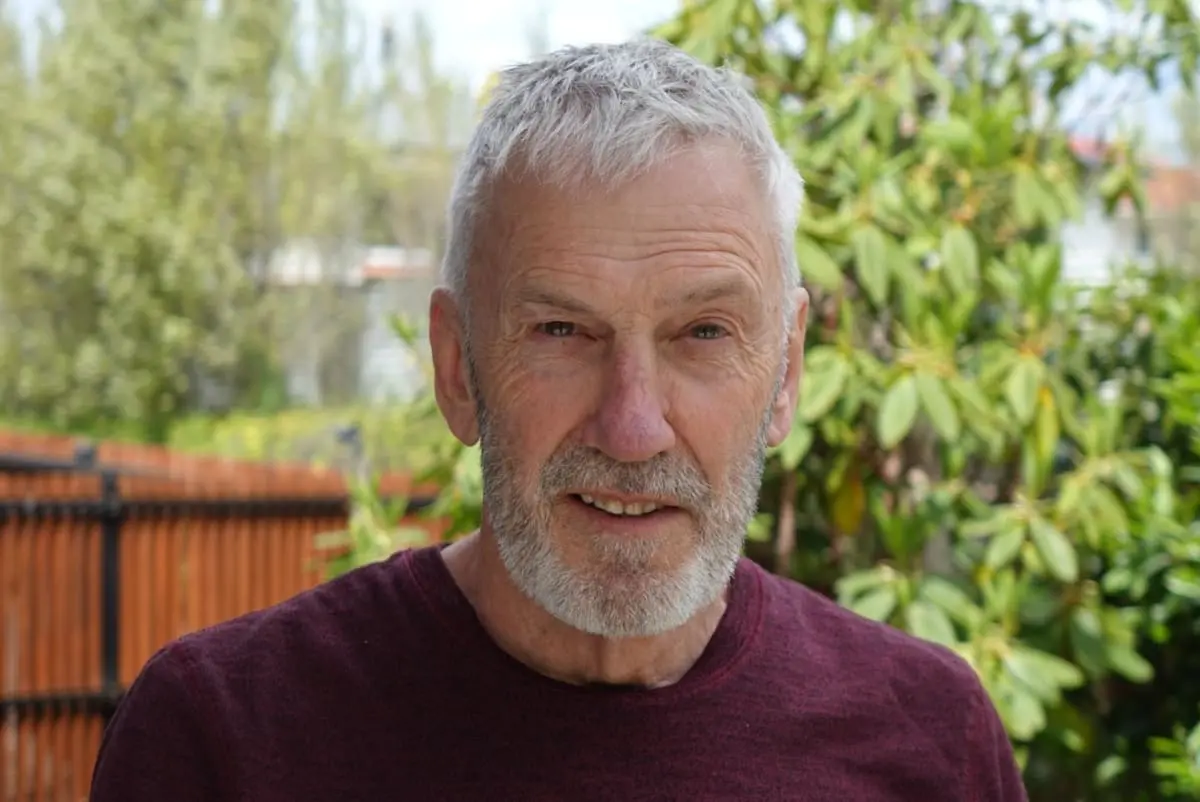
In Fairfield, Blue Willow Blueberries farm manager Eric Johnson was keen for political change.
He said Dunedin was awash with red and green but the countryside was painted blue and pink.
"I'd love to see Dunedin not be so left leaning because I think that's holding us back something terrible, but I would like to see more consensus amongst all the parties and more long-term planning," he said.
There were growing rifts in New Zealand politics and society, Johnson said.
"I think there are a lot of people trying to divide the country obviously into two, divide it on race, which I think is the worst thing that could happen," he said.
"We should all be equal, all be New Zealanders with no special rights for anyone."
Flooding in recent years has meant some people in urban parts of Taieri, like South Dunedin, have spent months out of their homes.
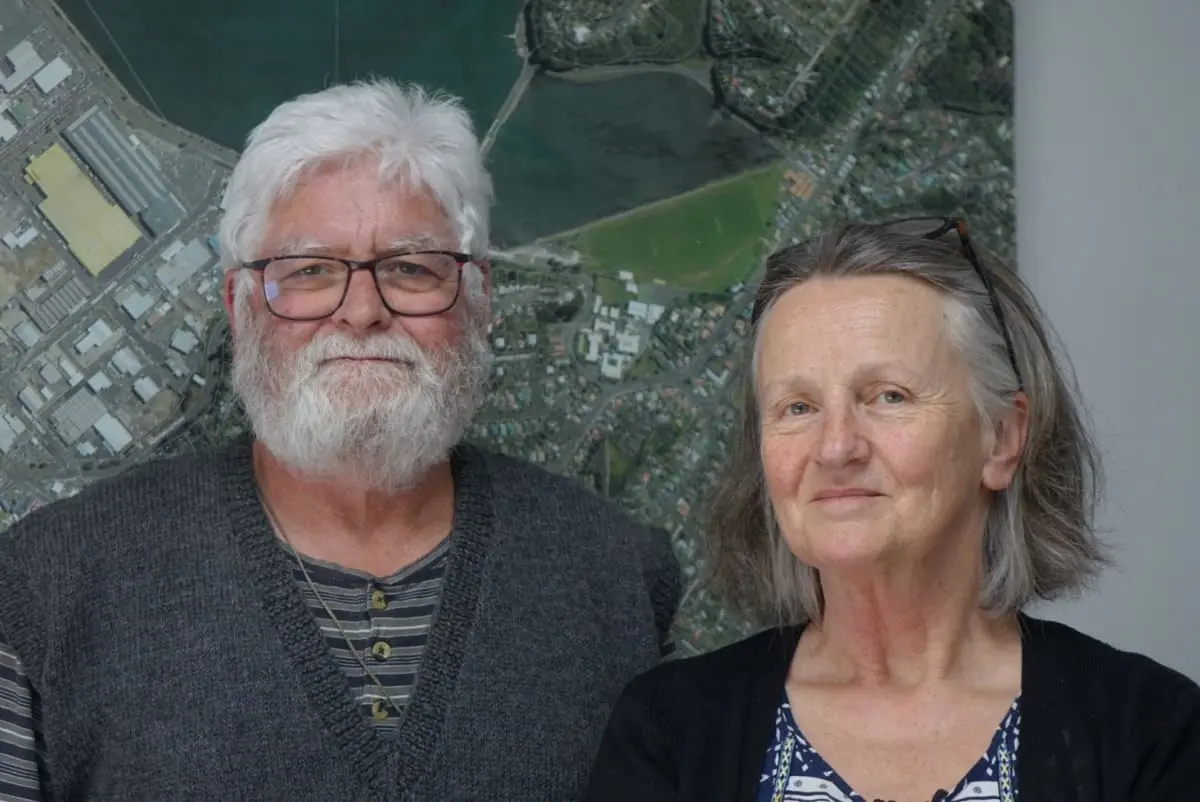
South Dunedin Community Network chair Mike Hammond said residents hoped the next government would back work underway to help the area adapt to the effects of climate change.
"I get the impression it's always going to be a Labour seat and I would say that's the feedback I'm getting. Because of the resilience stuff, I think the Greens are making headway as well."
Some people were unhappy about certain political rhetoric, Hammond said.
"There's some kind of anxiety when you hear politicians talk about beneficiaries, moving on orders and things like that.
"That is a bit scary to people here on low incomes, cutting their beneficiary incomes and benefits, but also there are some homeless people only just by the oval there."
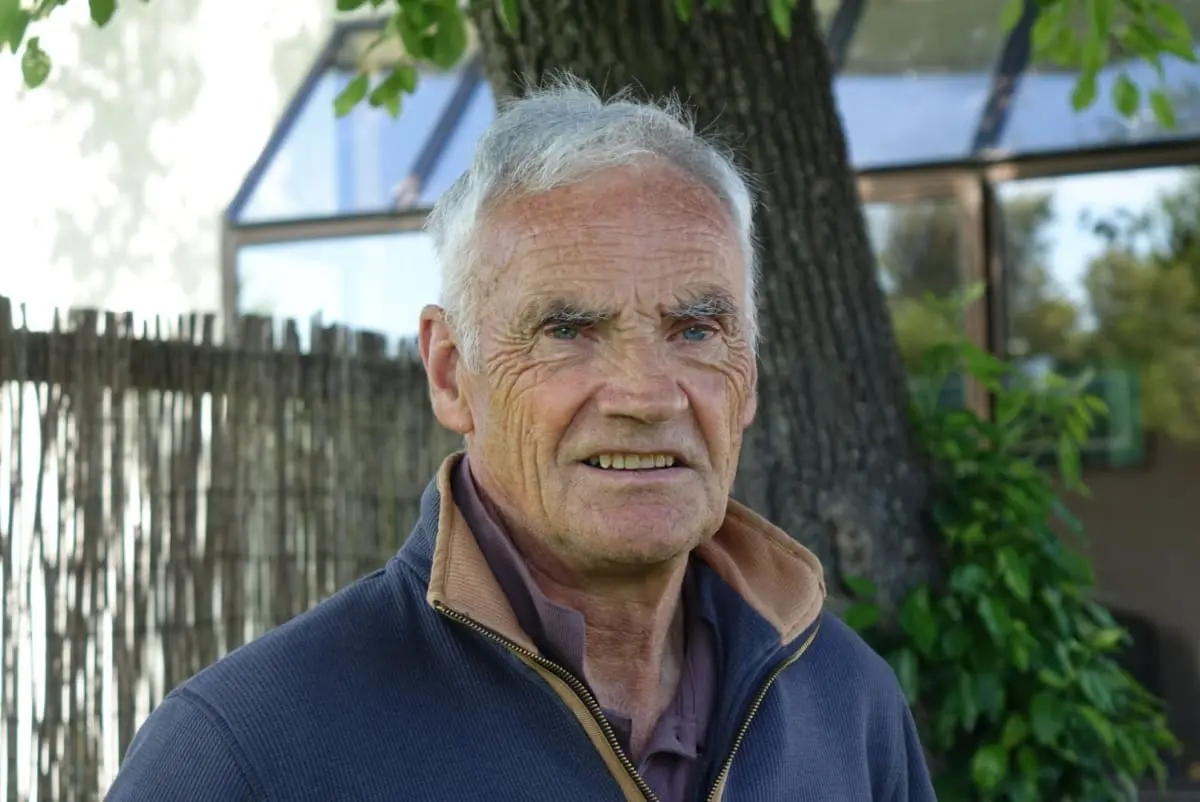
Taieri farmer Ian Bryant was concerned about the impact of national debt on spending and the strength of the New Zealand dollar.
"Everyone's going on about the cost-of-living crisis. Well, everything we buy from overseas has become dearer because our dollar is so weak because our economy's so poor with debt.”
Bryant wanted to ensure local rural issues were not forgotten, like Ministry of Education cuts to the Henley to Outram school bus route earlier this year.
"My grandchildren have to get in the car and go and meet the bus because they've cut the bus routes back.”
Bryant said he had noticed vandalised billboards and wanted a more civilised political debate.
"We used to see just a bit of graffiti but now it's become actually smashed to pieces, every second billboard, so it's a worrying trend that people have resorted to violent destruction to get their views across.”
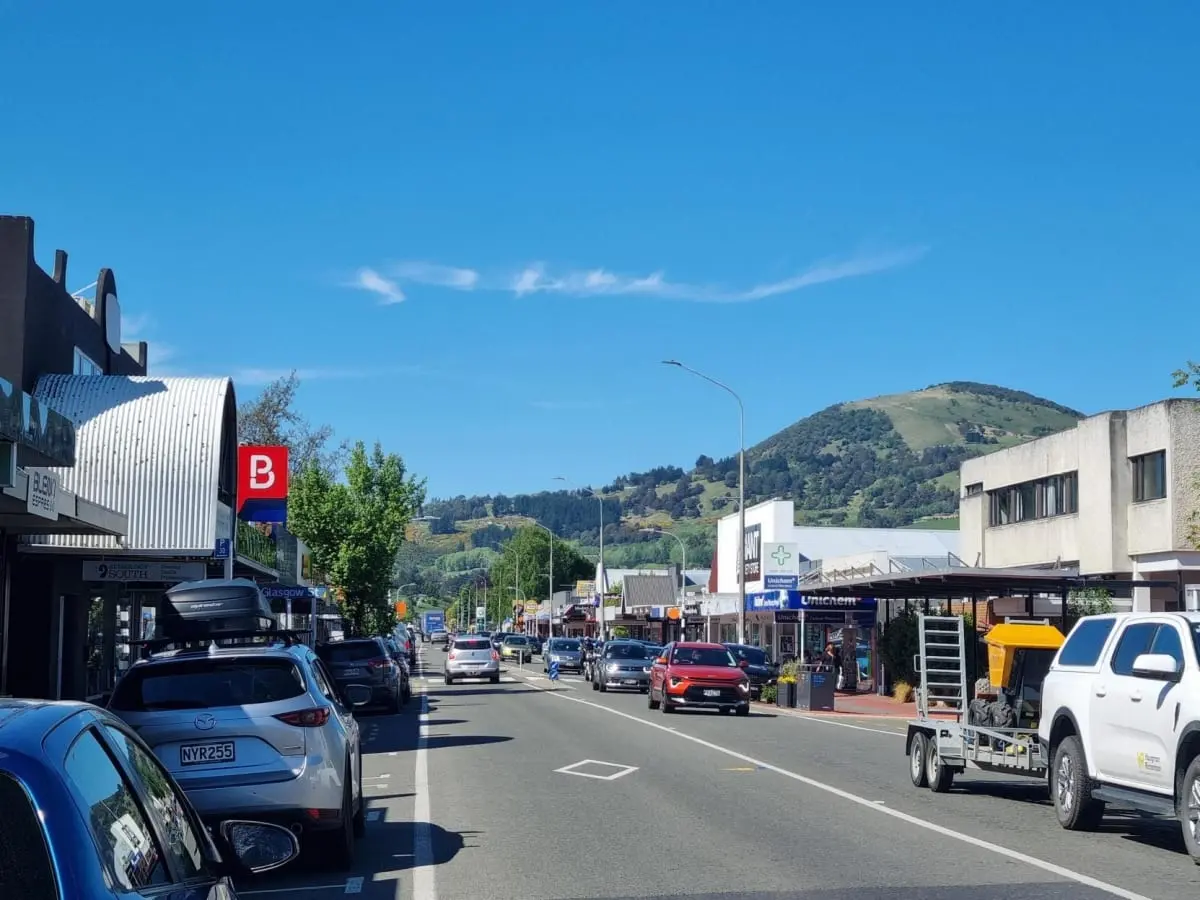
Mosgiel resident Doreen, who did not wish to use her surname, wanted improvements to traffic congestion.
"It's become ridiculous now because Mosgiel is growing rapidly and the lights are not enough for us to be able to get through easily.
"The big trucks shouldn't be allowed through on the main street.”
She hoped more young people would vote this year.
• Voting in the general election has opened and the polls close on November 7.
