
PHOTO
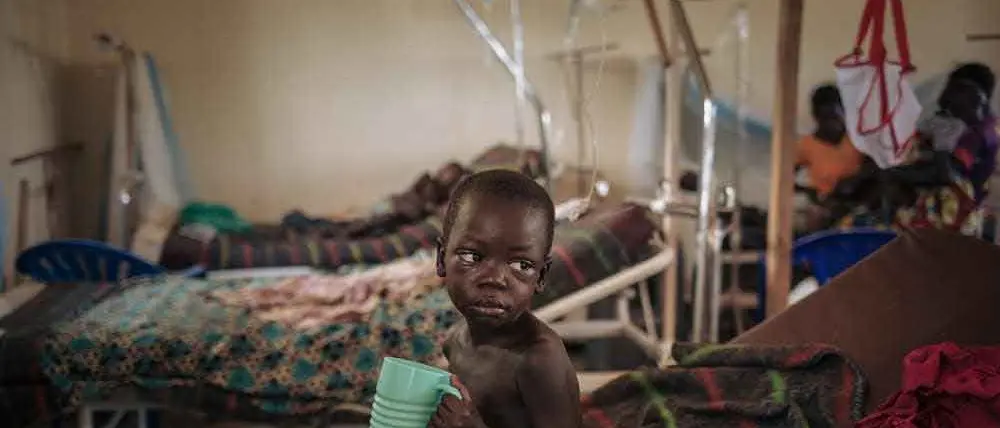
The measles epidemic in Democratic Republic of the Congo is still several steps ahead of the response, humanitarian group MSF says.
Since January 2019, more than 288,000 people have contracted measles in the Democratic Republic of Congo (DRC) and more than 5,700 have died from the disease, in the largest measles epidemic in the world today and the largest recorded in DRC for decades.
"Efforts have been made at national level, but more resources must be quickly committed and targeted to areas that are still suffering from this disease in order to stop this outbreak," Medicins sans Frontieres (Doctors without borders) said on its website this week.
DRC measles patients infect on average two to three other people, MSF says. There is no specific treatment once someone contracts measles, but a well-conducted vaccination campaign is extremely effective to prevent new cases. In areas with low immunisation coverage, vaccination can reduce infant mortality by 50 per cent.
Several factors are contributing to the spread of the current epidemic in DRC. There is extremely low immunisation coverage in some regions of the country due to the lack of vaccines, vaccinators, or access to health structures.
“When an epidemic is declared, medical care and vaccination must be combined to stop the spread of the disease,” said Alex Wade, MSF head of mission in DRC. “Since mid-November, the Congolese health authorities started measles supplementary immunization activities in the whole country.”
“Meanwhile we continue to provide free quality medical care to patients,” said Wade. “But for now, the epidemic is still several steps ahead of the medical-humanitarian response.”
- See also: No new measles deaths in Samoa