


Health industry groups and experts aren't expecting great surprises from Budget 2026, but they're hoping for a continuation of previous levels of funding.
Here's what a few key players will be looking for when the documents land on Thursday.

$180m boost for healthcare in Otago Central Lakes
The government has already announced an expansion to Lakes District Hospital's emergency department in Queenstown will begin within months as part of a $180 million boost to healthcare in the Otago Central Lakes area.
Health Minister Simeon Brown said Health New Zealand's board had agreed in principle to invest $128m in new operating funding over four years from July 2027 with another $52m invested in capital funding.
Health officials promised last year to assess long-standing inequities and develop a clinical services plan for the area, as residents were often travelling hours for basic care.
Primary care looking for a boost
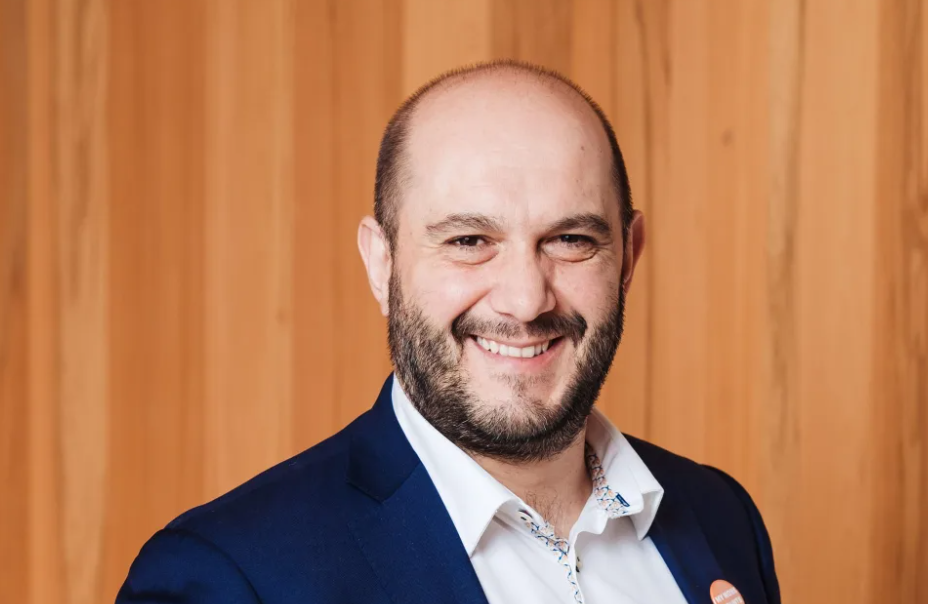
Royal New Zealand College of GPs president Dr Luke Bradford said he was hoping for some more funding for general practice.
"At the moment we spend about six percent of health spend on primary care - the OECD average is 14 percent," he said.
That was leading to two problems - first, capitation funding (that is, the amount of money a practice is given by the government per person enrolled) had not kept up with inflation, increasing the amount patients themselves had to pay.
Second, wages in general practice had not kept up with their hospital counterparts, making recruitment and retention tricky.
Increasing funding would reduce costs for patients and improve pay and conditions for staff, which would make recruitment easier, Bradford said.
"By investing in general practice, you save the health system money quite dramatically."
A report published last week by public health campaigners Kaitaki Hauora pointed to primary care as the most effective place for investment - one health economist described it as "putting things much further upstream to avoid any kind of downstream costs".
Bradford said he was expecting the budget to be "relatively austere" overall.
"Last year we did see a movement. We did see some shift in that, but it has not yet tilted the balance for people's back pockets and our recruitment drives."
New medicines, and keeping the lights on
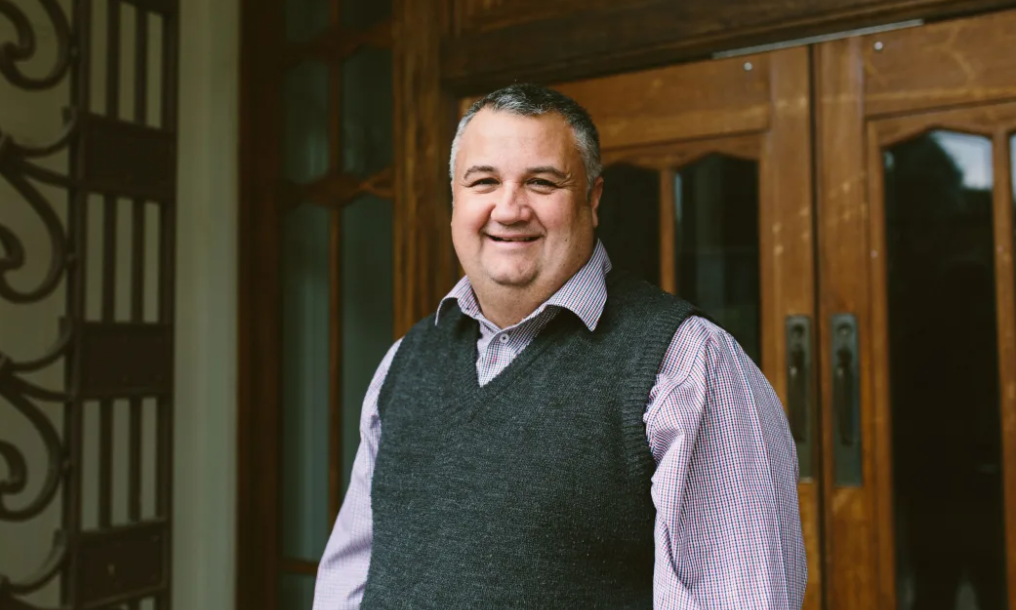
Patient advocate Dr Malcolm Mulholland said he would be looking out for new funding from the government's drug buying agency, Pharmac, which would determine how many drugs on its list of options for funding would become available.
"We know that at the moment the waiting list of medicines that Pharmac want to fund is over 100, and that will come at an annual cost of some $250 million to $300 million."
He said the government had a mandate to invest more in health - a recent poll of 1000 people, conducted by market research company Perceptive for pharmaceutical lobby group Medicines NZ, showed 55% of people ranked the health sector as the top priority for funding, well ahead of the next most important, economic development, at 15%.
The other area Mulholland said he would be looking at closely was funding for Health NZ.
"A report came out very recently that said just to keep the lights on will cost $1.405 billion. Anything short of that, or any new initiatives without having new money tagged to it, will actually be a deficit," he said.
"We're very worried about what services in that situation might be cut."
That number wasn't far off what was forecast in last year's Budget, which was $1.37m.
"I would expect that funding to be relatively the same, but when it comes to Pharmac, I really have no idea."

Aged care industry looking for funding grant for rural facilities
Aged Care Association chief executive Tracey Martin said she would be looking for funding to keep the doors open at small, charity-run or owner-operated aged care homes - particularly in rural towns.
That would ideally take the form of a new infrastructure grant fund, over a four-year period, she said, at a cost of about $680m over four years ($170m a year).
"We just had a 40-bed facility close on Monday," she said. That was in Levin, run by the Presbyterian Support Central, trading as Enliven Central.
That meant the loss of 40 standard beds - the ones that "people just living on superannuation can afford".
An infrastructure grant fund would stabilise those facilities which were struggling, Martin said.
She was also looking for the introduction of admission and discharge fees, covered by the government, for short-term care residents, because the bed day rates currently were dependent on people staying for years, not days or months.
According to a recent report by the association, funding admission and discharge transaction costs (on top of the daily bed day rate) would incentivise providers to accept recovery patients, encouraging the end goal to be patients returning home, at a cost of $156m over four years.
Psychiatrists hope for funding to address workforce shortages
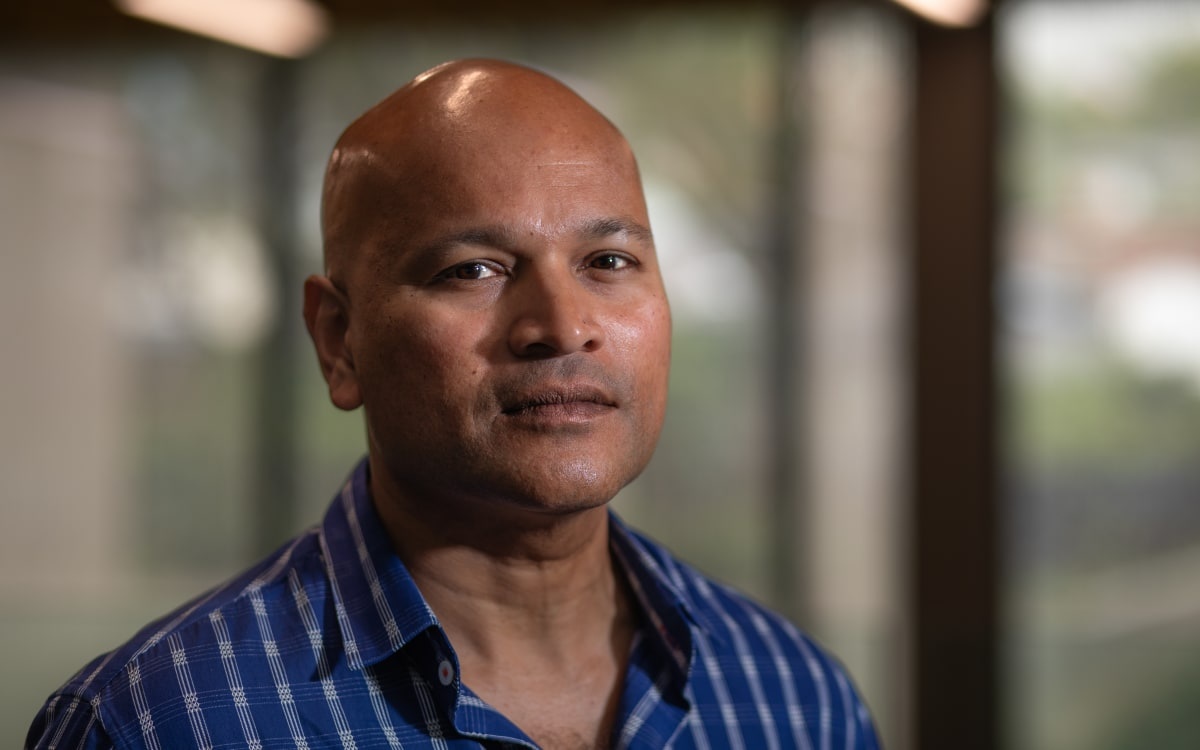
Hiran Thabrew, chairperson of Tū Te Akaaka Roa, the New Zealand branch of the Royal Australia and NZ College of Psychiatrists, said they needed more funding to address their 210 nationwide vacancies and ageing workforce.
A lot of money had gone into mental health in the past few years, but most had gone into primary care and peer support services.
"There's been relative neglect of the needs of the specialist workforce," he said.
"We've seen that reduce over time, and as a result, there's been less access for people to specialist mental health services."
Any increase would be good, he said, but specifically they were asking for $6m over five years to increase the number of psychiatry trainees to mitigate the effects of retirement on the workforce, and another $3.5m over three years for 20 extra specialist training places.
"The current government did increase funding for new psychiatry trainees," Thabrew said, but "not as much as required to meet the impending shortage in the coming decade".
College of Emergency Medicine looks for sustained funding
Michael Connolly, chairperson of the New Zealand National Council for ACEM (the Australasian College for Emergency Medicine), said they wanted the government to focus on health as a priority, "particularly at a time when EDs were under sustained increased pressure, often at above at or above capacity".
He said he'd like to see an increase in sustained investment which took a whole-system approach to ease pressure on Emergency Departments such as community care for mental health, primary care, aged care facilities and hospital-in-the home.
How much longer could emergency medical workers carry on under strain?
"We deal with constrained environments all the time," he said.
"But there's increasing demonstration that people will reach a breaking point. There's the risk of staff going to other places in the healthcare sector or places overseas."
Home carers look for sustainable funding
Lisa Foster, chief executive of the Home and Community Health Association, was also hopeful for more funding.
"I think we're quite pragmatic about the environment we're all facing," she said - but as a "preventative, cost-effective solution, we would really like a commitment to sustainable funding."
Home care spanned so many different sectors, agencies and ministries, and its funding channels included Whaikaha, ACC and Health NZ.
So rather than a specific fund, she was hoping for meaningful discussion on how prices were set.
"We can obviously do more, the more funding that's provided."
They were still working at putting a dollar figure on it, with work underway to understand how home care could keep people out of more costly alternatives like hospitals and rest homes.
"It's the golden goose," Foster said. "You don't want to starve it."
Cancer organisation want more funding for medicines
Ah-Leen Rayner, Breast Cancer Foundation chief executive, said they'd be looking for "a meaningful increase in Pharmac's budget - one that helps clear Pharmac's options for investment list".
A number of medicines currently on the list had the potential to save the lives of people with breast cancer, she said, including Keytruda, Trodelvy, Abraxane and Enhertu.
"They aren't untested ideas or wishlist items, they're treatments that have been thoroughly assessed and waiting for funding, and if Pharmac had the money, they would fund them".
Funding cancer medication would also save money on costly treatments and hospital care in the long-term.
"I've tempered expectations for this Budget. The $604m uplift Pharmac announced in 2024 was an important step and we know it's delivered progress, but there's still a significant backlog."
Dentists want more training places, wider flouridation
Dr Robin Whyman, director of dental policy at the Dental Association, said New Zealand's only dental school was ready to take more students, and the government needed to invest in more training places.
Numbers had not increased since the 1980s, nor had they kept pace with population growth, the effect of an ageing workforce, or the health needs of an ageing population.
Clinics were now waiting an average of six months to fill vacancies, and in some regional areas it can take close to a year, he said.
Additionally, the association was calling on the government to commit to expanding community water fluoridation.
"Prevention is the cheapest investment there is, and every dollar spent on fluoridation prevents multiple dollars in future treatment."
This story was first published on rnz.co.nz |  |


