

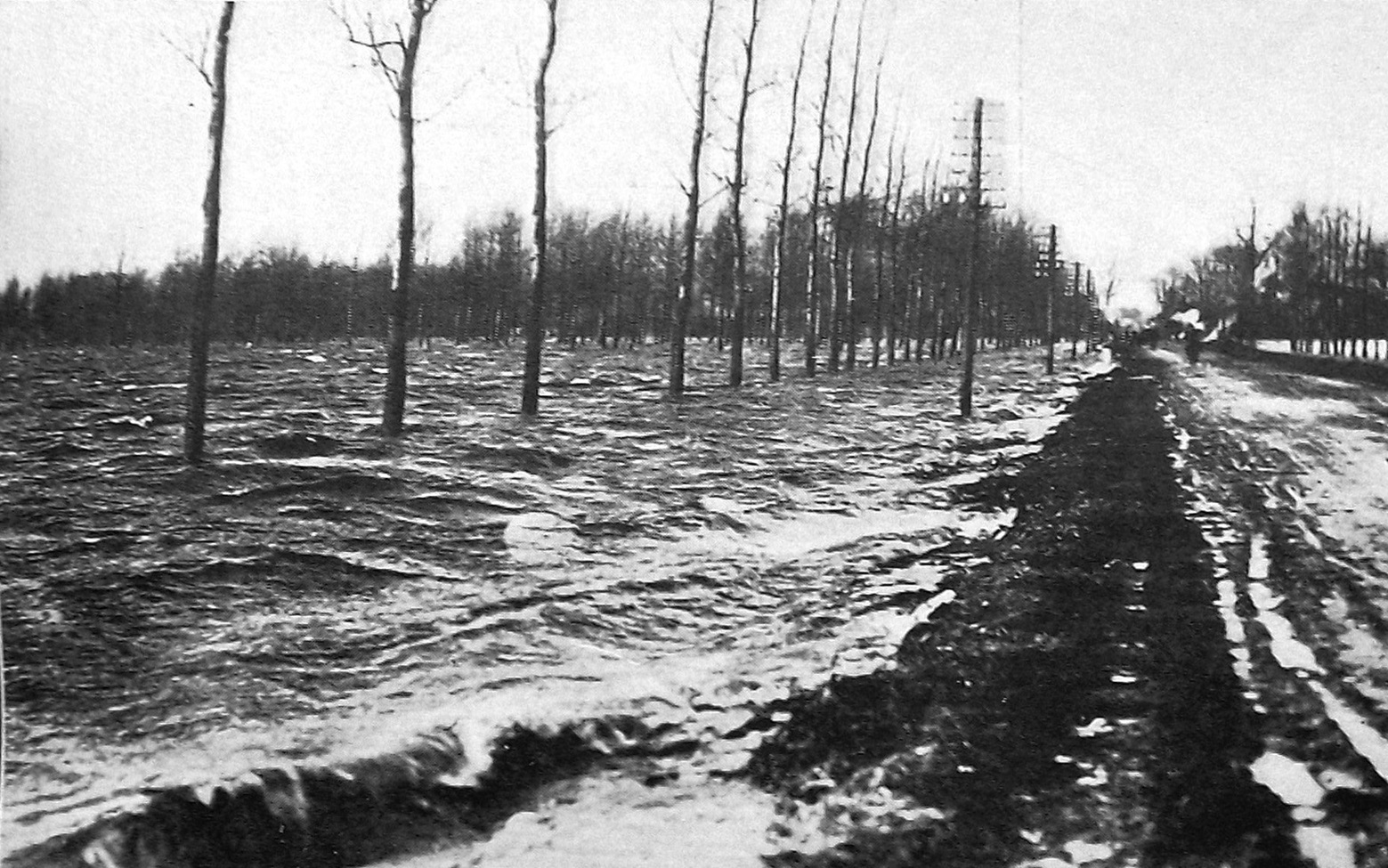

Over 8000 houses at Liege are under water. The Government is taking urgent measures to cope with the disaster. The floods in the districts of the rivers Meuse, Waal, Rhine and Lek have assumed the character of a great catastrophe. The railway and dykes have collapsed in several places and are threatening to collapse in others. — Reuter
Scenic wonderland
One thing that the Exhibition has done, if nothing else, is to arouse greater interest among the people of Dunedin in the beauties of their own town. It is a remarkable anomaly of human nature that the people of any city are keenly desirous, when holiday-making in other centres, to visit their particular scenic attractions, while, on the other hand, they may have seen very few of the beauties of their home towns. Thus Dunedin people who visit Christchurch make a point of going to Sumner, Brighton, and the Gardens; Lyall Bay in Wellington must, of course, be visited, and so on with the other northern towns. The people who have come to Dunedin to see the Exhibition are taking the opportunity, in their spare time, of visting the Gardens, the St Kilda and St Clair Beaches, Highcliff and Mount Cargill (where magnificent views of the harbour can be obtained), and Waipori has become so popular that the motor buses cannot cope with all the passengers who want to make the trip.
The visitors, moreover, are so enthusiastic in their praise of the beauties unfolded before their eyes that they are infecting the local residents with the desire to see them also, and it is no exaggeration to say that hundreds of Dunedin people are now utilising the observation buses and motor cars to make the recognised scenic trips around this Edinburgh of the South. It is also pleasing to be able to record that the desire to see more of their own town is increasing amongst them day by day.
Power to the people
The first hydro-electric scheme in Samoa was opened recently at Vailima. Just before the Administrator left for New Zealand, the power was turned on by Aiono, the oldest Faipule in Samoa, and Vailima is now the best lighted home in the island. — ODT, 4.1.1926


