
PHOTO
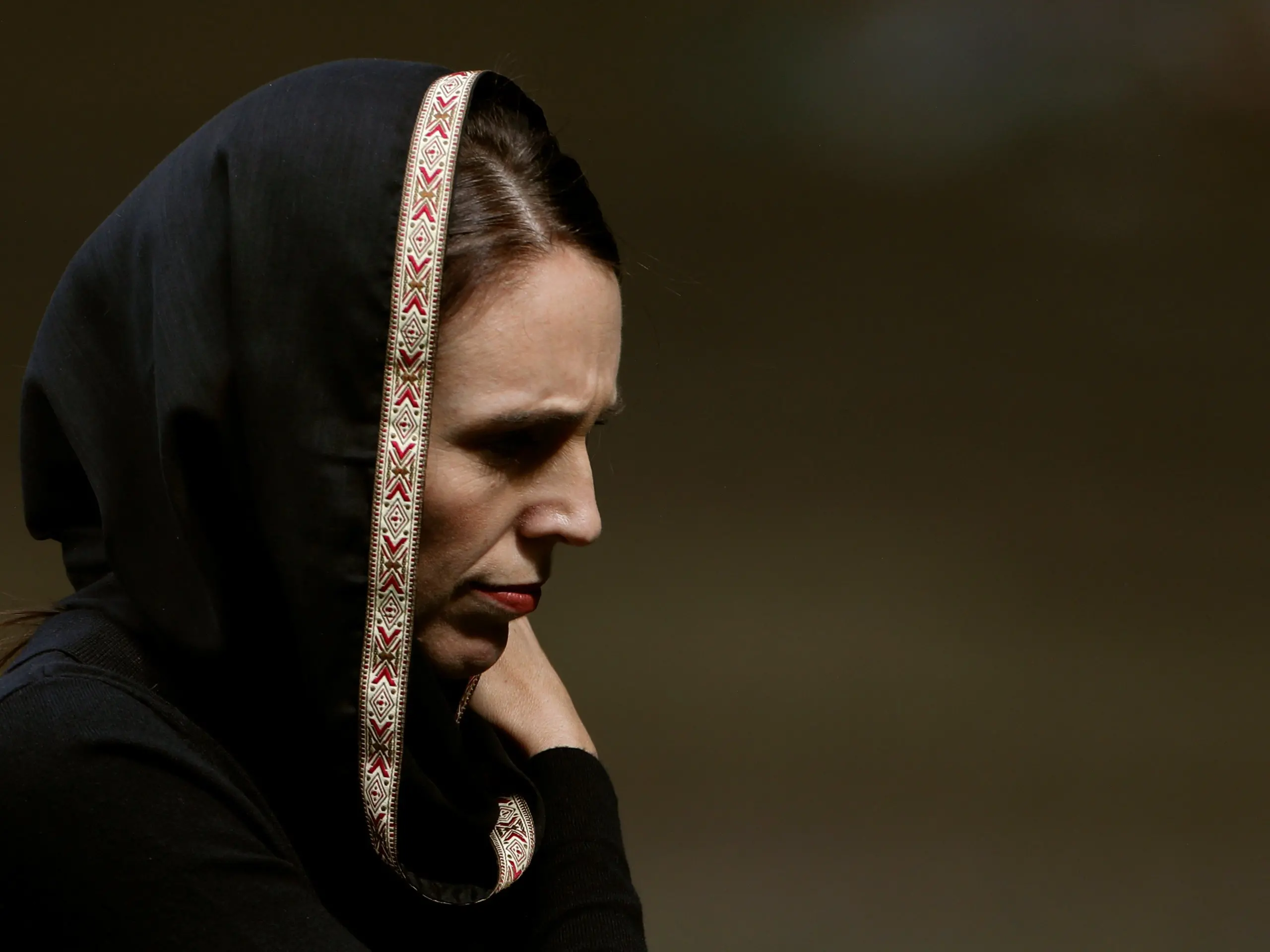
A lone Australian gunman on March 15 made Christchurch the setting for the worst terrorist atrocity against Muslims anywhere in the West in modern times. Previously barely on the Islamic radar screen, New Zealand has come to global Muslim attention.
In these circumstances, it is worth considering the implications for our special relations with Turkey and Australia, which this month will presumably receive their normal annual affirmation at Gallipoli. The trajectory of our affairs with the countries of the Arab Middle East also deserves observation.
The Turkish Republic, a major Muslim power sharing national origins with us on the Gallipoli battlefield, is a natural bridge into the Islamic world. Most New Zealanders do not realise the tremendous goodwill held towards us in Ankara, the Turkish capital, far beyond the natural weight of our relations. Prime Minister Jacinda Ardern's quiet dignity has reinforced that affection in the Turkish state and important segments of society.
Turkey's president, Recep Tayyip Erdogan, caused a stir, including among Turks, with remarks about any Anzac descendants who offend Muslims while visiting Turkey returning home "in boxes". He also permitted inflammatory displays at municipal election rallies of the terrorist's live-stream of the massacre.
Mr Erdogan, however, speedily shifted to fulsome praise of the New Zealand prime minister's and public's embracing of the Muslim community. He received a laudatory report on the New Zealand responses to the massacre from his foreign minister, whom he had sent to Christchurch. With the Turkish leader, seeming erratic impulses mask devious political calculation.
Ms Ardern and the New Zealand Government chose to react to Mr Erdogan in a cool, measured fashion, making clear our alarm about anything liable to expose our citizens to harm, while letting the public empathy with Muslims speak for itself. Foreign Minister Winston Peters' nap in Istanbul during an Erdogan speech may not have been such a bad option.
In contrast, Australian Prime Minister Scott Morrison chose a confrontational pitch before backing away, paralleling the same from President Erdogan. Some in New Zealand expected us to replicate the Morrison line.
Given the immediate context of the massacres, aggressive posturing when the absolute priority is to care and show we care about Muslim victims would sully our standing in Turkey and elsewhere in the Islamic world.
Apart from being the source of the white supremacist fanatic who has done such damage to both our Muslim community and New Zealand as a whole, Australia is on the sidelines of our crisis and had best stay there. Mr Morrison can afford the luxury of a spat. Thanks to the Australian terrorist, our margin in international interactions is rather less.
Prominent among such interactions are those with the oil-rich Arab monarchies and principalities of the Persian Gulf. Here, at the origin point of Islam, there has been an effusive reaction to the inclusive humanity evident in Christchurch and across New Zealand, personified in the bearing of the prime minister. Dubai had its Khalifa tower lit up with a huge image of a sombre Jacinda Ardern in a hijab.
Towfiq Alsaif, commentator in the Saudi-owned international Arabic daily al-Sharq al-Awsat, praises the prime minister into the stratosphere in a March 27 piece. Mr Alsaif argues that Ms Ardern's effective invoking of a spirit of pulling-together (ihya ruh al-jama'a) justifies nomination for a Nobel Peace Prize.
Lest we become overly entranced by Arab regimes and media separating us from the atrocity, we might register two items.
First, we have a way to go in countering the mark of the horror on our country.
Second, at the same time as reaching out to the Islamic world, we should not lose our compass in dealings with Middle Eastern regimes.
The reverberations of, for example, Saudi official involvement in the gruesome October 2018 murder of Jamal Khashoggi on diplomatic premises, may yet have a fresh chapter.
- Prof Harris, a specialist on the Middle East, teaches and researches in politics at the University of Otago.