
PHOTO
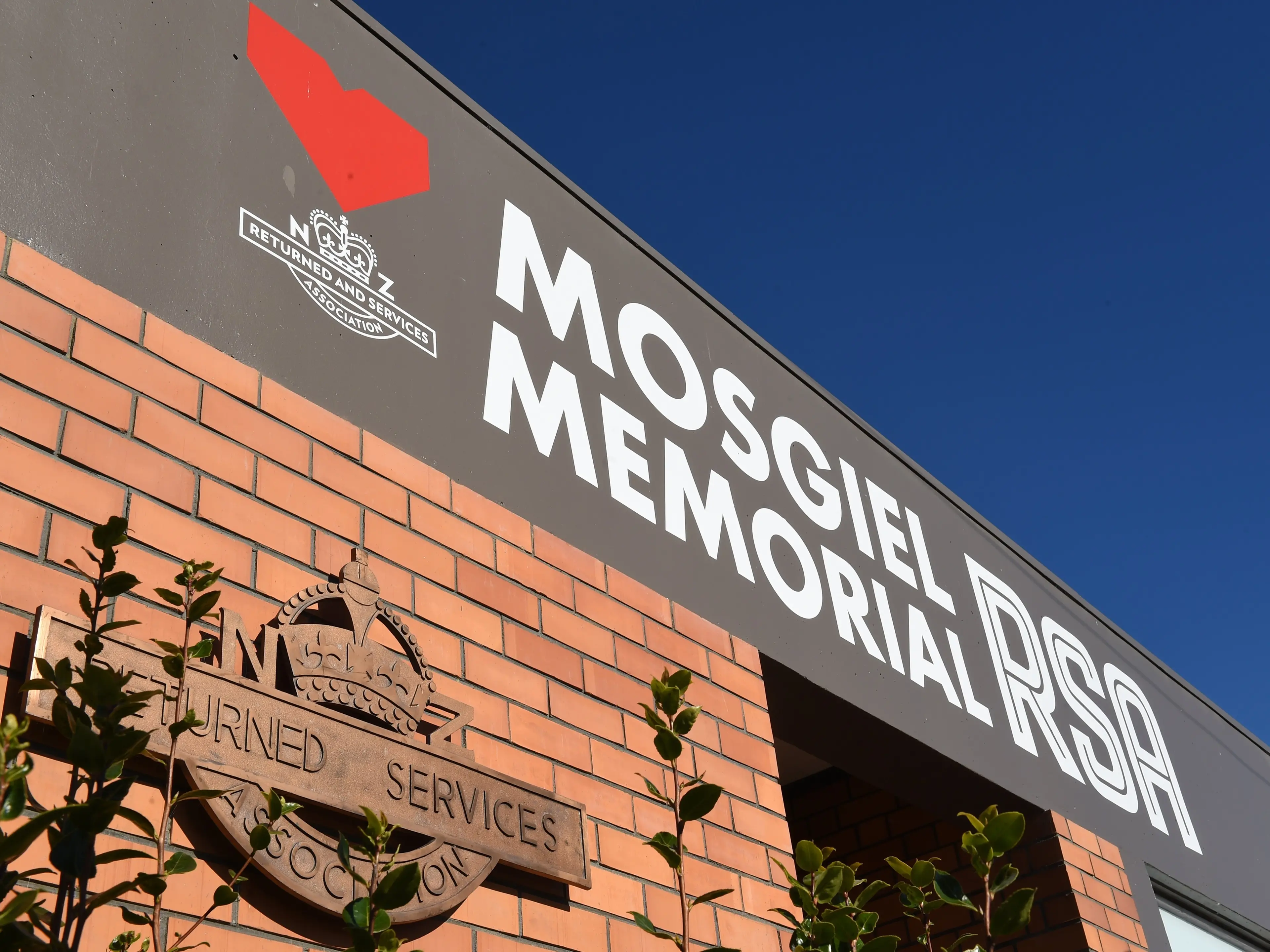
Confirmation of the closure of the Mosgiel Returned and Services Association's hospitality facilities this week is a blow for the town, but reality suggests it is only a matter of time before other branches of the organisation follow suit.
On Monday, the Mosgiel RSA, with 1300 members, announced it had no option but to close its restaurant and bar as running them was no longer sustainable. The restaurant would close on May 11 and the bar at the end of June.
Last week, a day after Anzac Day, the Kerikeri RSA in Northland closed its doors for the final time, citing dwindling membership coupled with increasing insurance and rates payments. Earlier in April, the South Canterbury RSA voted to sell its substantial premises in the town because it was ''financially stressed''.
There is a common thread in the closures. But the pressure on RSAs should come as no surprise given it was signalled just months ago in an internal report for the organisation.
The national body, only too aware of the struggles many of its local 182 RSAs face, commissioned a report by Christopher Hodson QC to investigate structural issues within the organisation.
Hodson instead found members were concerned whether the organisation could continue to exist.
''The key word here is relevance. To survive at all, the organisation needs to demonstrate relevance to the community and to recognise and meet the needs of those whom its existence is designed to support,'' the report, which was released in January, said.
The Royal New Zealand Returned and Services Association was set up in 1916 to provide support for soldiers, and their families, returning from World War 1. The organisation thrived during the 1950s and 1960s with high membership and a building boom as RSAs renovated or built new clubrooms to accommodate increased patronage.
But, as soldiers died and wars became part of history, RSAs struggled to recruit and retain new members despite relaxing membership rules.
In this fast-paced, high-tech society we now live in, trying to remain relevant and ahead of the competition is a problem facing many businesses and organisations.
Thousands of people are still happy to turn out each Anzac Day to honour those who served this country. But for many, popping down to the local RSA for a drink or meal is not a priority.
Cafes, bars and restaurants are freely available in most towns, and RSAs are in a competitive market and need to offer more than history to be assured of attracting patrons.
To be fair, it is not just RSAs that have suffered in the current climate.
Sports clubs, community taverns and bars no longer have the pull they once did. The days of people socialising two or three times a week are long gone.
Since confirmation of the Mosgiel RSA's closure, there have been calls on social media to start a campaign to save the facilities. The Church St complex underwent a $1.2million redevelopment only four years ago, and its amenities are first-class.
But those talking of a campaign must ask themselves when they last used the bar or restaurant, and how often they will in the future. Only bums on seats can assure Mosgiel's viability. A series of information and consultation meetings will be held for members this month and a plan for the future will stem from those.
A more realistic approach, and one promoted by Mosgiel RSA chairman Peter Amyes, would be for local RSAs to solely focus on providing support and welfare for serving and returned military. That is what prompted moves to establish the RSA more than 100 years ago. It is also something a community can really rally behind.