
PHOTO
Local democracy is one of the most important rights available to citizens. Having the chance to vote for a candidate with whom you identify can give the most satisfying of feelings.
Even after the election result is posted and some of those elected do not fully receive your approval, at least a voter can say they participated.
Turnouts at elections, both local and national, can be low. The Northcote by-election is a case in point. Soon after the announcement of the 2017 election result, former health minister and National Party Northcote MP Jonathan Coleman decided the private sector was more attractive than Opposition.
The recent resulting by-election failed to spark the imagination for two reasons. First, Northcote was perceived as a National Party stronghold and, secondly, a sitting government rarely prevails in a by-election - no matter how it is promoted by its supporters.
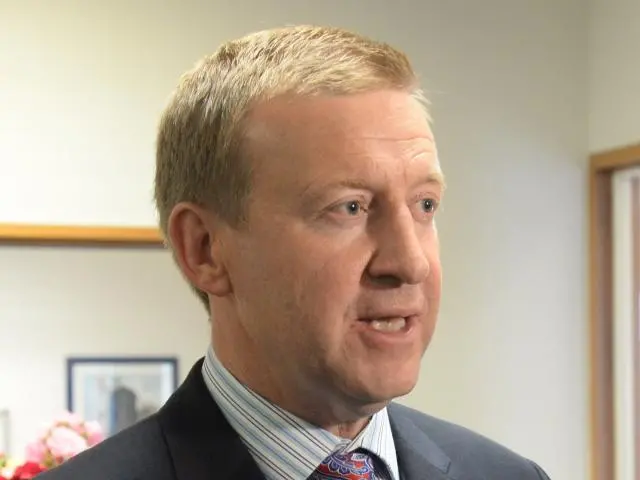
Now, Health Minister David Clark says he has no intention of postponing or cancelling the 2019 district health board elections next year, despite a wide-ranging review being undertaken by Heather Simpson.
A board member is calling for the board elections to be cancelled to await the outcome of the Government-ordered review, due on January 31, 2019.
Waikato District Health Board member Mary Anne Gill believes the public health system needs urgent overhauling and electing 140 new board members across the country next year is both bad timing and bad management of precious health dollars.
Both Otago and Canterbury know the feeling of having democracy taken out of local hands and delivered to appointed guardians.
Full Environment Canterbury elections will be held in 2019 for the first time since 2007. In 2010, the then-National government sacked the 14 elected councillors and replaced them with seven appointed commissioners. The council was restored to partial democracy in the 2016 elections.
In 2015, Dr Coleman emailed Southern DHB members, dismissing them all and replacing them with a commissioner, Kathy Grant. At the start of the process, it was expected a board would be elected in 2016, but Mrs Grant and her two fellow appointees remain.
The reason for the sacking, according to Dr Coleman, included the financial problems at Southern DHB being longstanding. The former minister said he did not have confidence that the current governance arrangements were suitable for delivering on the changes required in Southern DHB.
Next year, 140 new health board members across the country will be elected. But not in Otago-Southland.
Of the DHBs surveyed over how much the 2016 election cost, 12 responded. The figures totalled $3.18 million.
In January, it was reported $66 million was spent last year to pay 444 people to run the country's 20 district health boards. The bulk, up to $800 million, paid for 231 chief executives, and their senior executives, while 209 board members - 140 of whom were elected and the rest appointed - and four commissioners were paid nearly $6 million for just 30 days of work each year.
It is easy to focus on the money, wasted or otherwise, being spent in New Zealand's health system. Health is one of the costliest Budget items for any government.
A government can never spend enough on health, and the $500 million offer to nurses - which is likely to be rejected again, causing strike action next week - is a case in point. No private-sector employer can afford to offer such generous terms to even their most valuable employee.
Dr Clark is to be congratulated for his stance on next year's elections. As he says, it is important DHBs continue to serve their local communities and deliver quality healthcare as usual while the review of the sector is continued. Postponing the elections will create uncertainty.