
PHOTO
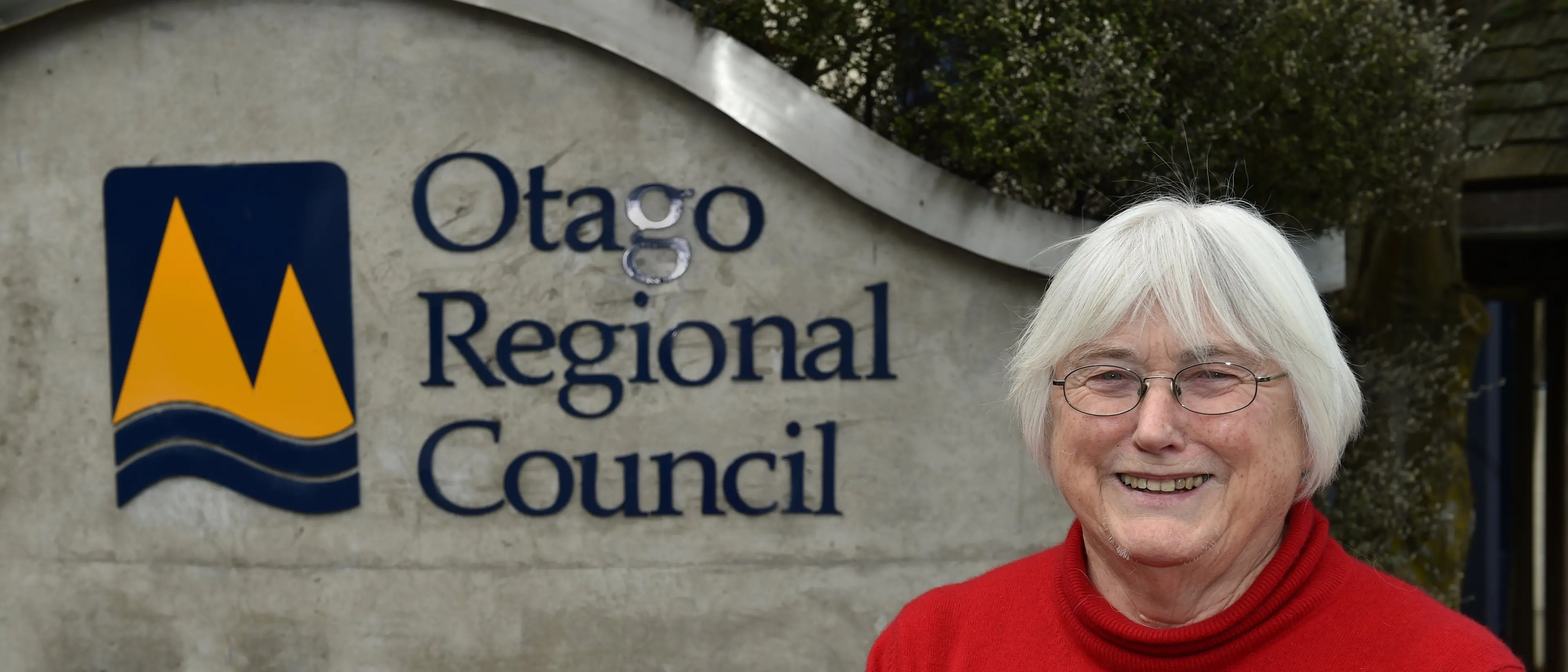
Otago regional councillors’ push to dump their chairwoman has been decried as more than simply a bad look for a council that was supposed to rehabilitate its image after two lackluster terms.
Their move to unseat Marian Hobbs at a meeting on July 8 has been called anti-democratic and anti-policy. In the hot mess of online comments, the councillors exercising their right to move against her have been called much, much worse.
It is entirely fair to criticise councillors for a performance that fails to meet official measures and voter expectations. It is not fair, however, to criticise them for following through on the political component of their job.
For that is what is happening here. Regardless of their individual motivations, they are moving as a block to challenge a chairwoman whom they suggest no longer represents them as a council.
Ms Hobbs was not elected to the chair by the good voters of Otago. Councillors voted her there, 7 to 5, at their first council meeting.
As her then newly-elected deputy Cr Michael Laws said, the electorate wanted change after two terms in which it had not covered itself in glory. It was a fresh chance to reset the council’s course.
The course was well-and-truly reset. That this would be a testy first term became clear within weeks, when Ms Hobbs used her prerogative and did not let councillors question speakers at the council’s busy public forum.
Cr Kevin Malcolm asked how he could do his job if he could not ask questions, beginning his question to the chair with ‘‘with respect’’. Ms Hobbs cut him off: ‘‘There’s no respect,’’ she said, adding ‘‘Yes, I’m tough, people.’’
Since then, Ms Hobbs has been tough. She has maintained the very strong need for the council to meet its national policy obligations and she has made it clear no one lobby will have a disproportionate influence.
As this happened, she butted heads with councillors. In late March, seven of them called for a 12-month re-evaluation of the council’s policies and finances, including the withdrawal and suspension of plan changes in progress.
They also wanted a review of the council’s Regional Policy Statement, a significant body of work that has far-reaching implications for landowners and for the environment right across Otago.
On the numbers alone, the letter showed the majority was not in step with Ms Hobbs. It showed her ability to get what she wanted done, was under threat.
The former Labour Party MP said as much a few days later, writing to the Environment Minister to ask if she ‘‘lost the Omnibus Plan and work on the [Regional Policy Statement], would you consider putting in a commissioner?’’.
It was a letter in which a sitting chairwoman raised the prospect of having a non-elected official direct her council. Installing a commissioner is a remarkable sign of no confidence.
The letter set the course for the July 8 meeting. As this became clear, Ms Hobbs vowed not to go quietly. In so doing, she has tacitly acknowledged she is on the way out. She has also served those who would oppose her with the evidence they might need to show she is not in step with her council.
In her most recent chairwoman’s report, she made it clear she believed moves against her were an attempt by the elected council to ignore national policy statements and reviews of its poor planning.
Councillors say Ms Hobbs’ claims are simply not true. Cr Laws, in particular, said it is ‘‘all about personality, not policy nor programmes’’. The claims were ‘‘almost a fantastic delusion’’ denigrating why every councillor stood for the council, he said.
They also indicate why councillors from both sides of the plan change debate want new leadership. Simply, it appears the leader they elected is now not leading them in the way they had, collectively, expected.
These councillors are the majority, elected by voters who knew what they were getting when they voted them in. The divide in the council may well reflect the divide in the expectations of the electorate that put them there.