
PHOTO
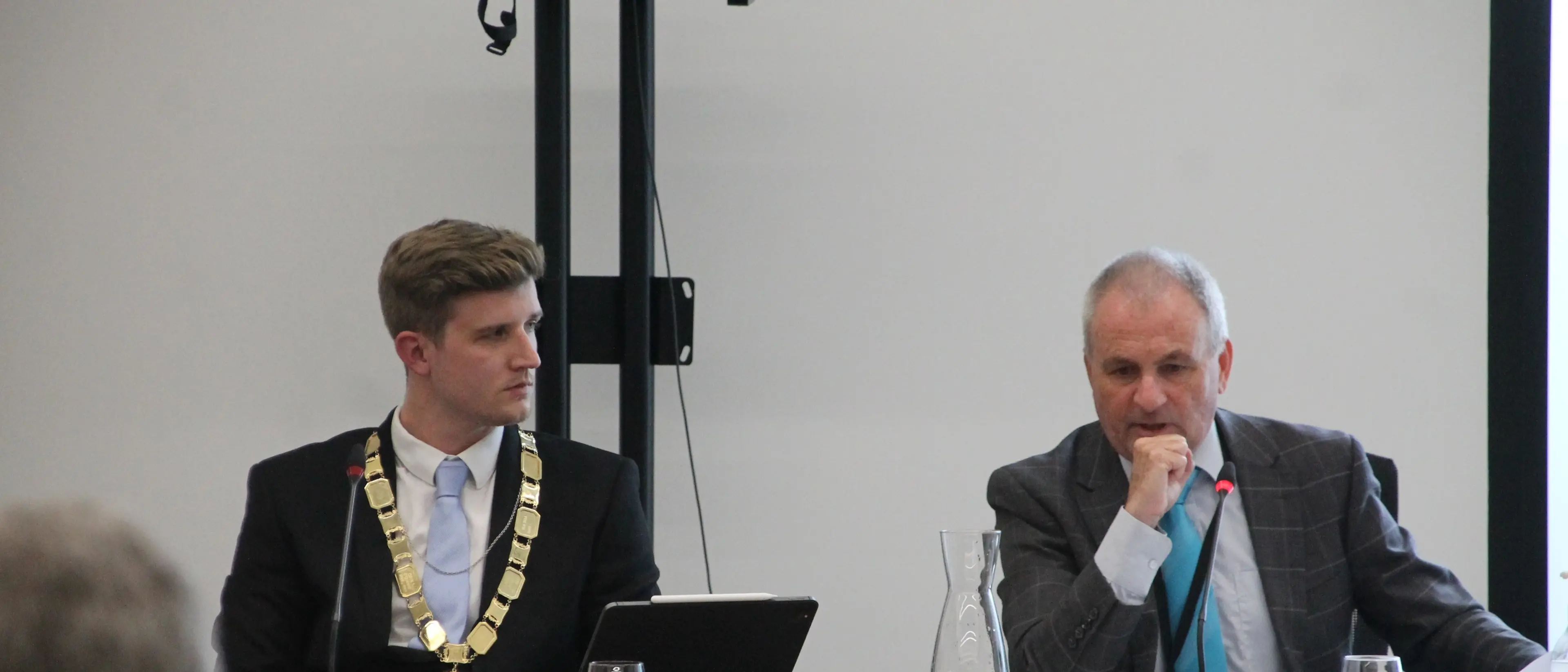
The Gore District Council showdown has brought the relationships between mayors, councillors and chief executive officers (CEOs) under the spotlight again.
CEOs are, and should be, background figures. The Local Government Act defines their role in such a way that they should not do much more than implement policy agreed upon by the elected members of a council.
CEOs do, however, also have an obligation to provide opinion and information for the guidance of elected councillors.
This is valuable. CEOs have an overview of council operations and the law that few councillors have and this is often enhanced by the length of service and the amount of experience CEOs have.
CEOs are appointed for five years and elected councillors may agree to extend this appointment for a further two years without advertising the position. The position must then be advertised for all potential applicants, but the incumbent CEO may apply as well.
Councils can, in theory, keep effective CEOs for as long as they like or seek better applicants at five-year or seven-year intervals. This allows CEOs to move on to other things and also allows councils to move CEOs on if they feel that it is time for a change.
This can work well, but it is very dependent on the human qualities of those involved. If councillors lack the education or the will to understand governance and local body law, they can become very dependent on the CEO.
This dependence can lead to a kind of capture of councils, where CEOs become habituated to having to lead councils far more than they should and councillors abdicate responsibility because they are out of their depth.
CEOs can also have human frailties. If they have become part of a community they may not want to move on.
In some cases, they may lack the ambition to move on, or worse, be less than stellar in their performance and unlikely to find equivalent or advancing employment if they do move on.
This has the potential to go badly for communities.
In a worst-case scenario, a kind of collusion evolves where CEOs give tacit support to decisions that will help enhance councillors’ chances of re-election and the councillors agree to extend the CEO’s employment.
Incumbency is a powerful factor in re-election and, regardless of how well-meaning office holders may be, long incumbency can lead to moribund councils that cannot provide the leadership and flexible response to change that communities need.
If a situation evolves where enough councillors have abdicated responsibility for all but re-election issues, and the CEO has become the de-facto, unelected council leader, anyone who rocks the boat is likely to have a difficult time.
This brings us back to Gore.
There are warning signs that the council has not been functioning in the way that both democratic processes and local body law envisage.
Returning to human nature, it is easier to go with the status quo until something shakes things up. Local body politics in Gore has just had a good shake and people’s sense of fairness is asserting itself.
At the root of all this is an unfortunate fact. Smaller communities struggle to find good candidates for local government and the field is narrowed further because the time flexibility to attend meetings and carry out associated duties is not available to everyone who might be a good candidate.
The outcome can be that the limited pool of candidates who are in a position to offer themselves may not be up to the task of governance.
The ongoing challenge to be vigilant, involved and aware is a feature of democracy. This is no less so in local body politics.
— Glen Morgan is a retired teacher and former short-term member of the Greymouth District Council.