
PHOTO
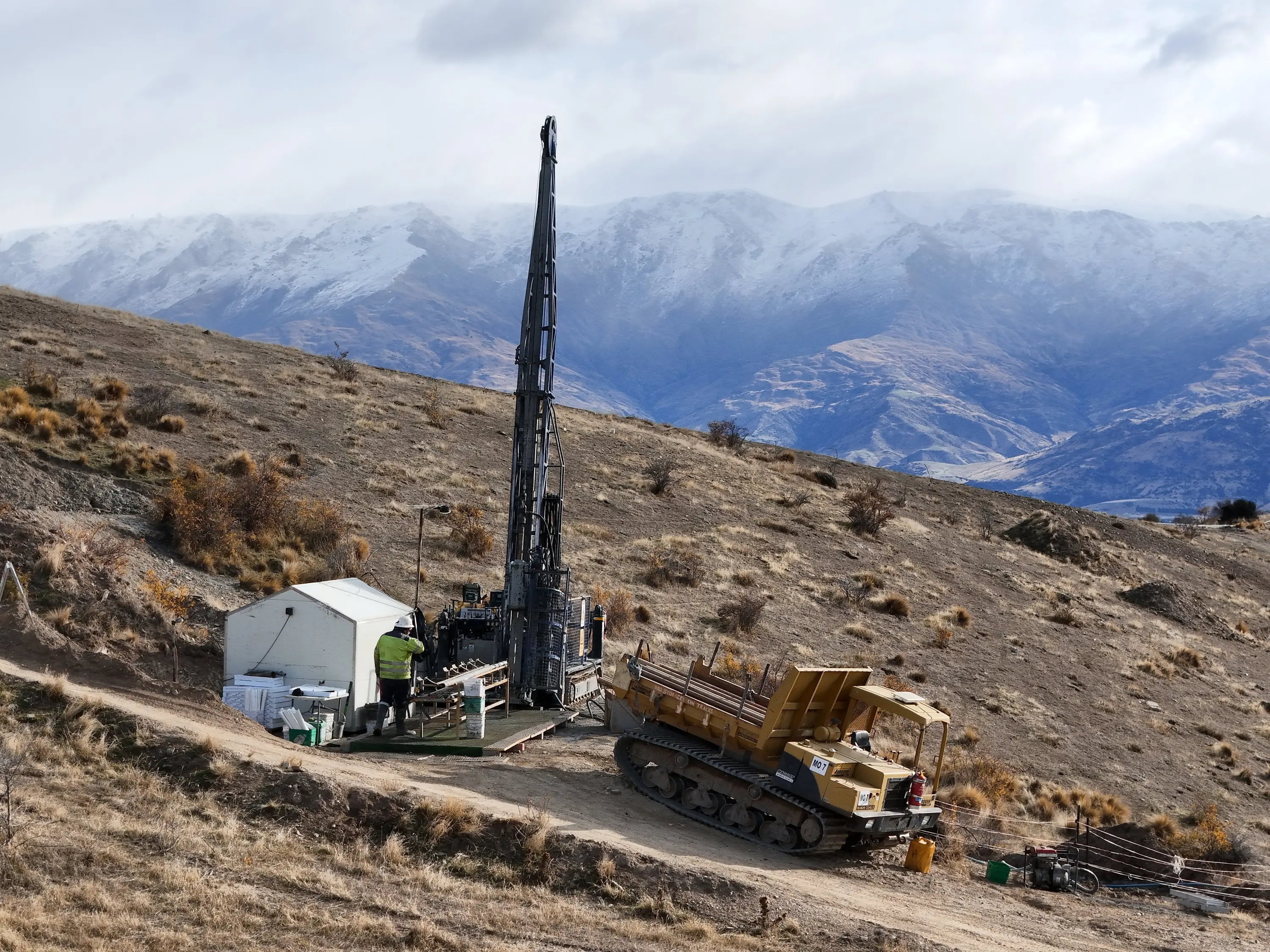
The proposed Bendigo-Ophir Gold Project near Tarras has been a consistent topic of discussion and media coverage over the course of 2025.
And rightly so. It’s a major project that will have a significant impact on Otago and New Zealand.
While we are often hearing from those against the mine speaking of their perceived negative impacts, I believe balance and facts have been missing from often one-sided discussions and media reporting.
As the MP for Waitaki, the proposed mine sits in the heart of my electorate. I’ve heard from both sides of the fence and have had discussions with many individuals and groups in the Upper Clutha.
I hear a lot of positive feedback about the mine within the community and also hear concerns from those it doesn’t sit well with.
A recent example was at a Rural Nats woolshed meeting in Tarras, where locals shared questions they had about the mining operation and its impact on the land and water beneath it. I took those concerns and further correspondence after the meeting to various parties and received clear information in response.
For those directly impacted, I’ve been advocating for them to seek input on the process.
A common topic I hear about is the perception that the fast-track consenting process is a rubber-stamping exercise with little regard given to effects of activities being proposed. That is far from reality.
Fast track is set up with expert panels who consider proposals intensely, ensuring regulations and requirements are adhered to. Its purpose is to get our country moving ahead after years of stagnation as proposals were regularly batted back and forth.
The only winners were consultants and lobby groups, while all New Zealanders lost out as significant investment and infrastructure development were simply put into the too-hard basket.
Not every fast-track project is given the go-ahead. A good example was the proposed lowering of Lake Hāwea. The panel assessed the options, heard feedback from the community which I also echoed, and the decision was quickly made that, no, there were too many detrimental effects to warrant the lake being lowered.
This was all settled in a matter of months, compared with years of costly litigation that the company involved would have to recover, possibly through hiking electricity prices.
The process in considering the Bendigo-Ophir Gold Project has and will continue to be incredibly thorough. Santana has to prove its on-site systems are impeccable and while its business is all about lifting rocks and dirt out of the ground, no stone will be left unturned in terms of its regulatory obligations to operate a world-class facility and leave the land in good condition once it is done.
Provided Santana meets its obligations every step of the way, I am supportive of the Bendigo-Ophir Gold Project. A major factor in that support is the positive results we’ve seen from the OceanaGold Macraes mine.
The Macraes gold mine has been a cornerstone of the Waitaki district, contributing an impressive 26.5% of our district’s GDP, amounting to $590 million in the year ending March 2024.
This makes mining the largest industry in the Waitaki district, providing 747 jobs, or 6.1% of total employment. The economic productivity in Waitaki is noteworthy, with a GDP per capita of $91,303, surpassing the national average. This success story shows the potential that responsible mining holds for our community.
With legal permits and land access agreements already in place, the Bendigo-Ophir Gold Project is poised to create up to 150 construction jobs and more than 200 long-term mining positions, predominantly filled by local workers.
An economist’s memo estimates an average of 357 staff annually, with average wages projected at $140,300 — significantly higher than the inland Otago average.
The economic impact of the Bendigo-Ophir project is staggering. It is projected to produce over 1.1 million ounces of gold, generating $4.4b in export earnings over 10 years.
Additionally, the project is expected to contribute $5.8b in cumulative direct GDP to the Otago economy, averaging $360m per year. This level of economic output will not only bolster local businesses but also provide substantial tax revenue, estimated at $1.8b for the government over its duration.
By supporting this project, we are investing in jobs, infrastructure and the overall wellbeing of Otago.
After campaigning on rebuilding the economy and being voted in at the last election, our government has placed an emphasis on growth and activity that supports rather than stymies our communities.
If we want to cross the divide of stagnation, low-paying jobs and strained budgets for public services and infrastructure, the Bendigo-Ophir Gold Project could be a major plank in the bridge to get us there.
• Miles Anderson is the National MP for Waitaki.