
PHOTO
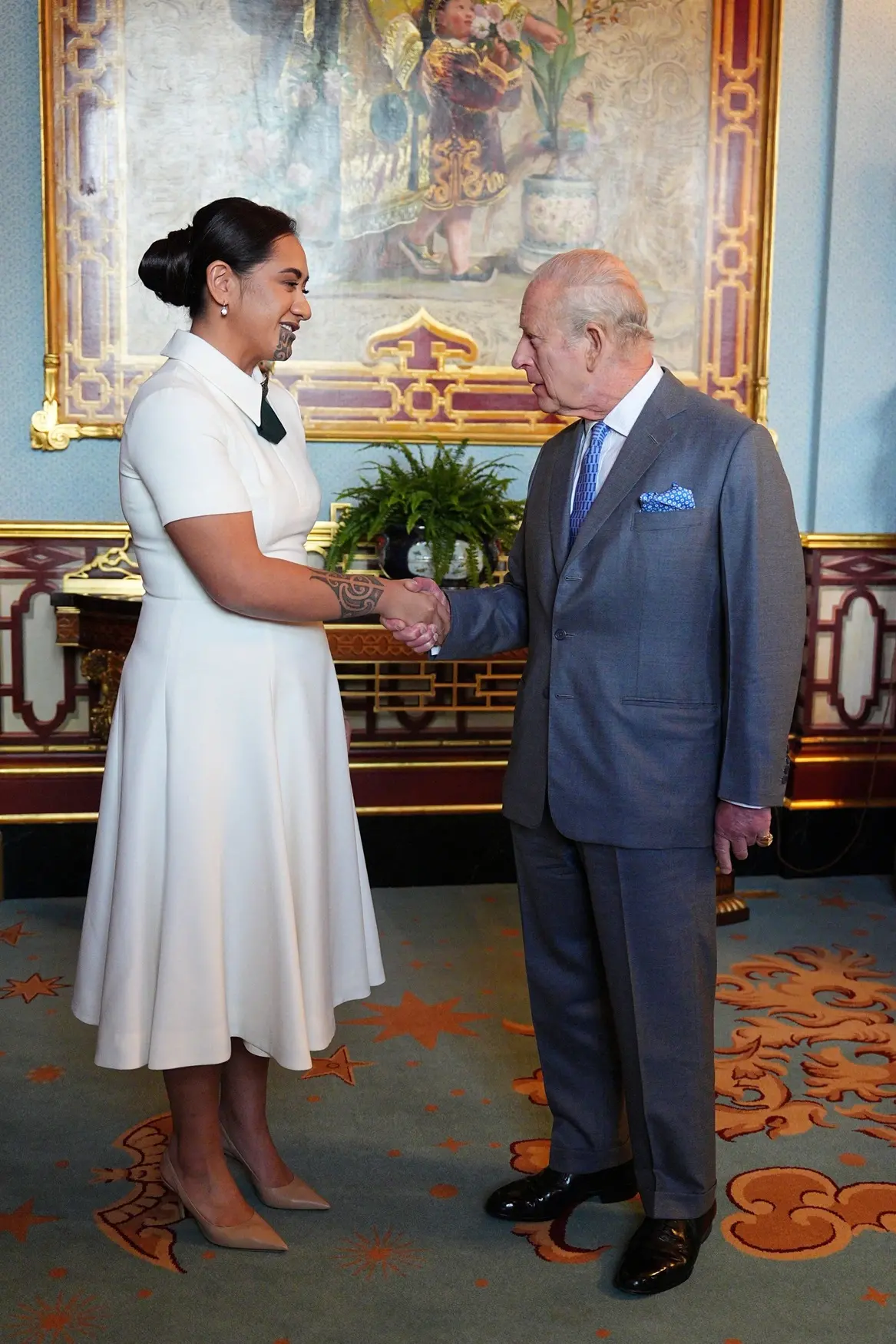
The recent visit to Britain of the Māori Queen — Te Arikinui Kuīni Ngā wai hono i te pō Pōtatau Te Wherowhero VIII, to give her full name and regal title — provided several moments of fascination to diplomatic observers and constitutional scholars.
The indisputably dignified and elegant Māori Queen is the eighth head of the Kīngitanga, a movement established in 1858 to promote self-determination and the preservation of Māori culture and identity. It adopted some of the trappings of European monarchies, and despite lacking any legal power, the institution still holds considerable moral authority.
Though in the role for less than two years, the Māori Queen is proving herself not only to be a gracious symbolic figurehead, but a leader of substance.
Before coming to the throne, she undertook laudable community service, including as a member of the Waitangi National Trust Board and Te Kōhanga Reo. She holds a master’s degree from Waikato and served on that university’s council.
In late 2025, she used her influence to convene an economic summit at which she announced an investment platform called the Kotahitanga Fund.
It was therefore with interest I followed her first foray overseas.
The Māori Queen’s first stop was perhaps the most ancient venue in the annals of diplomacy that is still in use — Windsor Castle.
The thousand-year-old fortress and palace was founded by William the Conqueror on the banks of the Thames in the decade after the Norman Conquest, likely many decades if not centuries before the forebears of Māori first set foot on our shores.
Windsor remains the largest and oldest working castle in the world. The Treaty of Windsor between England and Portugal was ratified there in 1386, and inaugurated the longest-lasting alliance in history. To this day, state banquets and visits are hosted in the royal family’s eponymous historic headquarters.
To see the first visit of a Māori monarch to this storied site was intriguing in itself.
The details of her meeting with the heir to the British throne, the Prince of Wales, were even more telling.
When she entered the White Drawing Room, His Royal Highness stepped forward, bowed to the Māori Queen, and shook her hand. Though barely noticeable to the casual observer, that courteous gesture paid her a signal compliment and acknowledged her senior status.
The previous engagement between the Kīngitanga and our head of state, King Charles III, was the visit of the late Māori King, Kīngi Tuheitia, for the coronation in 2023. The day before the coronation ceremony, Kīngi Tuheitia and his wife Te Atawhai were received in a private audience — one of several with heads of state and senior sub-national (one could say ‘‘chiefly’’) leaders.
On this occasion Kīngi Tuheitia presented his hosts with a large greenstone mere [club], a ceremonial weapon of enormous prestige; a blanket made of the Kīngitanga patterned tartan; and two sets of honours.
These were the Order of King Pootatau Te Wherowhero in the Supreme Class for King Charles, and the Order of Queen Te Arikinui Te Atairangikaahu in the First Class for Queen Camilla.
The new Māori Queen’s meeting with King Charles was, however, a little less ceremonial and much more future-focused than her late father’s.
A statement released from the Kīngitanga said that during the meeting she had ‘‘affirmed her belief in the power of indigenous knowledge and intergenerational stewardship to help solve the world’s environmental and social challenges’’.
Given King Charles’ lifelong commitment to the preservation of the natural environment, and His Majesty’s strong support for preserving heritage and traditions, these messages were no doubt warmly received.
Similarly, the focus on ‘‘creating pathways for our people, particularly our rangatahi’’, along with the Māori Queen’s personal support for His Majesty’s youth development vehicle — the King’s Trust — were inevitably met with our charitable monarch’s royal favour.
One must give credit to the Māori Queen’s advisers, whose guidance is obviously helping her steer a positive course in redefining her role as we near the 200th anniversary of the signing of the Treaty of Waitangi.
Alongside spokesman Rahui Papa, chief among these counsellors is Tuku Morgan, chair of the Waikato tribal governance board. To see a politician noted for his purchase of expensive silk underwear in the 1990s remade as a courtier resplendent in a florid, brocaded waistcoat at the King’s Trust Garden Party at Buckingham Palace brought a smile to this writer’s face.
The tribes from which I descend, Ngāti Kahu ki Whangaroa and Te Aupōuri, owe no formal allegiance to the Kīngitanga movement. They acknowledge the Māori Queen as Te Arikinui/paramount chief of the Waikato — while asserting their own autonomy and chieftainship over their lands and tribal members.
However, as with many others without formal affiliation to the Kīngitanga, I have nothing but respect and admiration for these efforts of a young leader who is skilfully using her soft power to advance the interests of her people.
It is inspirational to be able to watch, in this cynical and fractious era, a national treasure in the making.
• Paul Foster-Bell is a former National list MP and New Zealand diplomat who works for the University of Otago. All views expressed are solely his own.